- Today
- Holidays
- Birthdays
- Reminders
- Cities
- Atlanta
- Austin
- Baltimore
- Berwyn
- Beverly Hills
- Birmingham
- Boston
- Brooklyn
- Buffalo
- Charlotte
- Chicago
- Cincinnati
- Cleveland
- Columbus
- Dallas
- Denver
- Detroit
- Fort Worth
- Houston
- Indianapolis
- Knoxville
- Las Vegas
- Los Angeles
- Louisville
- Madison
- Memphis
- Miami
- Milwaukee
- Minneapolis
- Nashville
- New Orleans
- New York
- Omaha
- Orlando
- Philadelphia
- Phoenix
- Pittsburgh
- Portland
- Raleigh
- Richmond
- Rutherford
- Sacramento
- Salt Lake City
- San Antonio
- San Diego
- San Francisco
- San Jose
- Seattle
- Tampa
- Tucson
- Washington
F1 Power Unit Rules Talks: What's on the Agenda?
Discussions aim to balance driver skill and machine capabilities ahead of 2026 regulations
Apr. 11, 2026 at 11:19am
Got story updates? Submit your updates here. ›
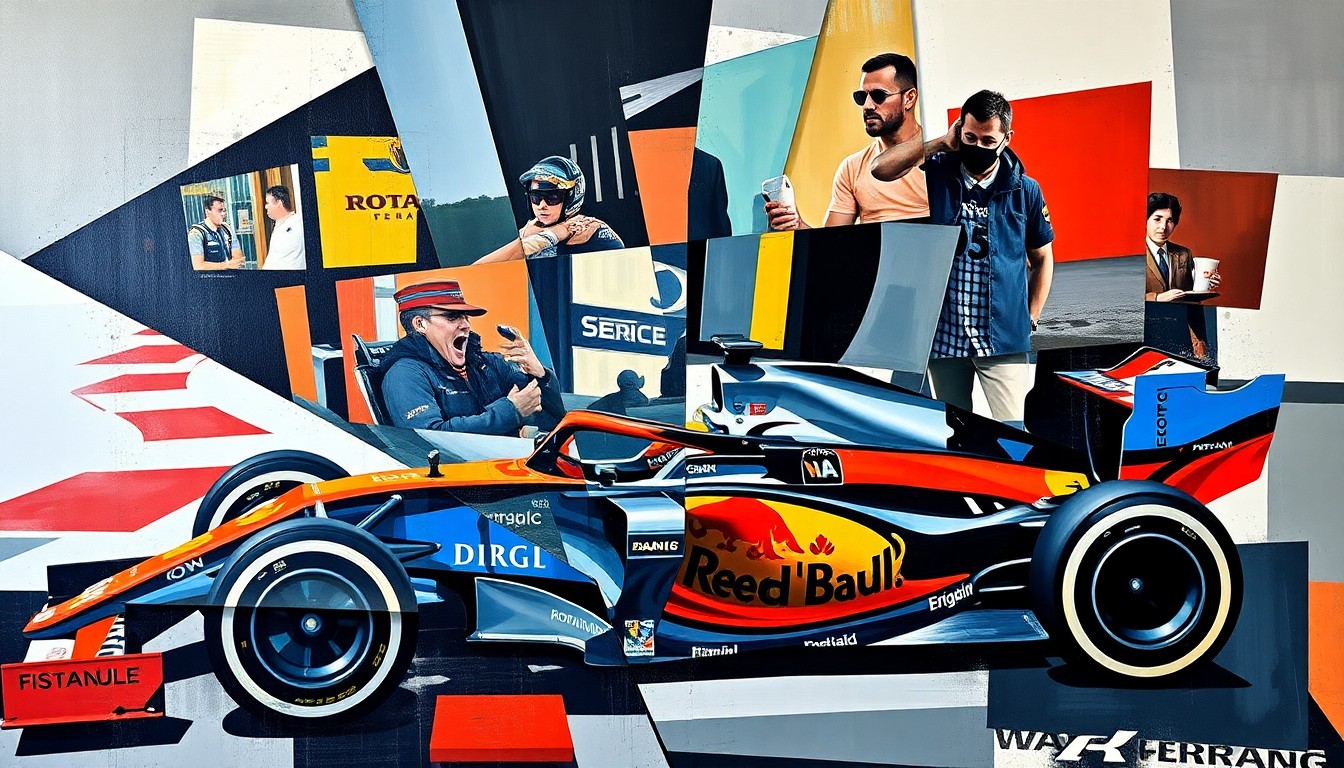 The intricate power unit rules debates in Formula 1 reflect the sport's ongoing struggle to balance driver skill and machine capabilities.Seattle Today
The upcoming talks on Formula 1 power unit rules are a fascinating development, as the sport grapples with balancing driver skill and machine capabilities. The core issue is the impact of 2026 energy management regulations, which have shifted the focus away from drivers and towards complex algorithms governing power unit deployment. This has sparked debates among drivers, fans, and team principals, questioning the essence of what makes F1 exciting and competitive.
Why it matters
The discussions on the power unit rules are crucial for the future of Formula 1. The current regulations have been criticized for diminishing the role of driver skill in favor of machine capabilities, leading to a less thrilling qualifying format and raising safety concerns. Finding the right balance between human and technological elements is essential to preserve the sport's integrity and appeal.
The details
The key agenda items include addressing the impact of the regulations on qualifying, where power unit algorithms penalize drivers for pushing in faster corners. Proposed tweaks aim to restore the balance, perhaps by reducing the electric energy component or altering the charging strategies. Safety implications, such as the recent crash involving Oliver Bearman in Japan, will also be discussed, with the FIA potentially needing to intervene if there is no consensus among the teams.
- The upcoming technical meeting is scheduled for Thursday, April 20, 2026.
- Any significant changes to the regulations are likely to be implemented during the off-season.
The players
Formula 1
The premier open-wheel racing championship, governed by the Fédération Internationale de l'Automobile (FIA).
Oliver Bearman
A Formula 1 driver who was involved in a recent crash that has raised safety concerns about the 2026 regulations.
FIA
The Fédération Internationale de l'Automobile, the governing body of Formula 1 and other motorsport competitions.
What’s next
The April meetings are just the beginning of a series of discussions, and any significant changes are likely to be implemented during the off-season.
The takeaway
The key to success lies in finding a middle ground, where driver skill and machine capabilities coexist harmoniously. The discussions should focus on practical solutions that address the concerns of drivers, fans, and team principals, with the goal of creating a more entertaining and authentic F1 experience.
Seattle top stories



Seattle events

Apr. 13, 2026
Seattle Mariners vs. Houston Astros
Apr. 13, 2026
Seattle Kraken Suites
Apr. 13, 2026
Seattle Kraken vs. Los Angeles Kings