- Today
- Holidays
- Birthdays
- Reminders
- Cities
- Atlanta
- Austin
- Baltimore
- Berwyn
- Beverly Hills
- Birmingham
- Boston
- Brooklyn
- Buffalo
- Charlotte
- Chicago
- Cincinnati
- Cleveland
- Columbus
- Dallas
- Denver
- Detroit
- Fort Worth
- Houston
- Indianapolis
- Knoxville
- Las Vegas
- Los Angeles
- Louisville
- Madison
- Memphis
- Miami
- Milwaukee
- Minneapolis
- Nashville
- New Orleans
- New York
- Omaha
- Orlando
- Philadelphia
- Phoenix
- Pittsburgh
- Portland
- Raleigh
- Richmond
- Rutherford
- Sacramento
- Salt Lake City
- San Antonio
- San Diego
- San Francisco
- San Jose
- Seattle
- Tampa
- Tucson
- Washington
Astronomers Witness Rare Planetary Collision 11,000 Light-Years Away
Discovery provides new insights into the violent formation of planets and potentially habitable worlds.
Apr. 11, 2026 at 7:06pm
Got story updates? Submit your updates here. ›
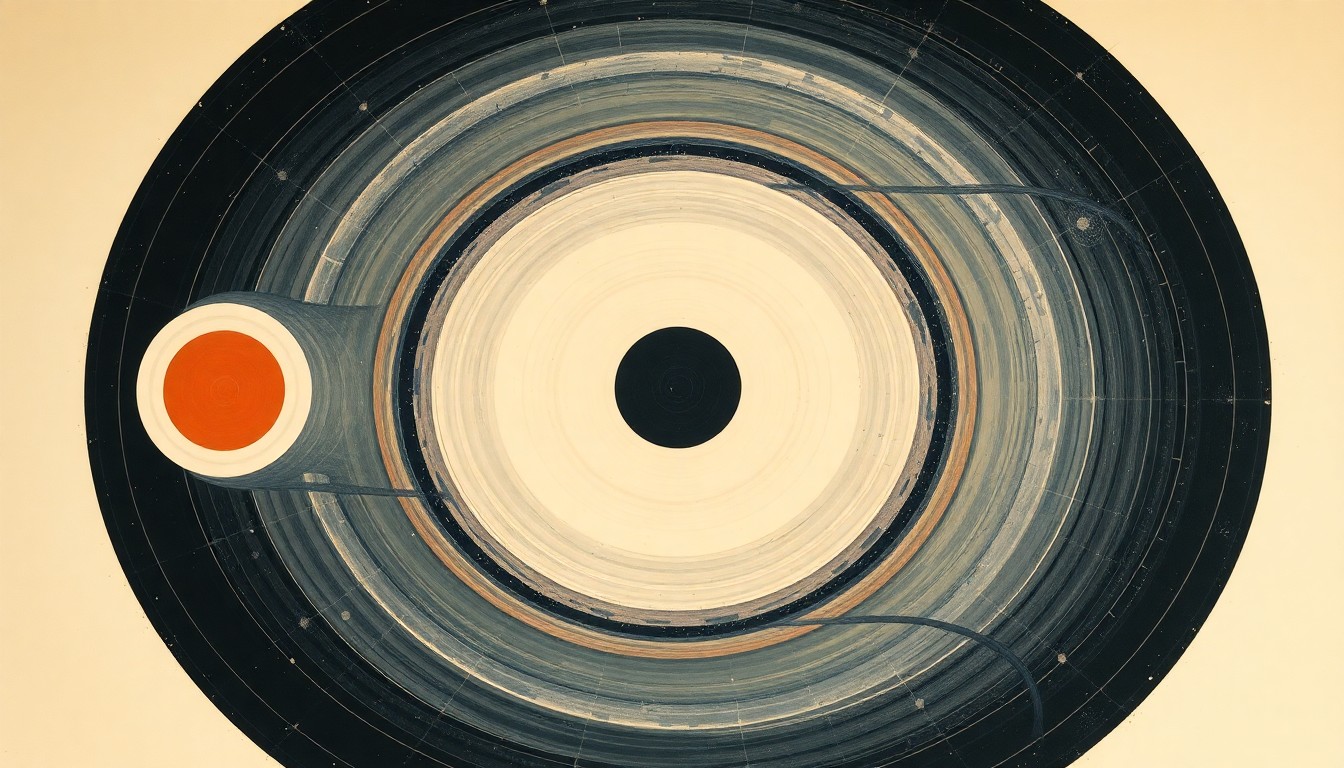 An artist's interpretation of the violent cosmic forces at play in the rare discovery of a planetary collision 11,000 light-years from Earth.Seattle Today
Astronomers have made a stunning discovery of two planets colliding in a distant planetary system 11,000 light-years from Earth. The collision created a cloud of hot debris that was detected using infrared light, providing a rare glimpse into the chaotic process of planet formation. The discovery raises intriguing questions about the origins of Earth and the Moon, as well as the possibility of finding more evidence of similar violent planetary collisions that could lead to the creation of habitable worlds.
Why it matters
This discovery challenges the traditional understanding of how planets form, which is typically described as a gentle process of gravity and accretion. The violent collision observed suggests that the formation of planets, including Earth and the Moon, may have involved more chaotic and destructive events than previously thought. Additionally, the discovery raises the possibility that evidence of similar planetary collisions could be found elsewhere, potentially leading to the identification of more habitable worlds beyond our solar system.
The details
The discovery was made by Anastasios Tzanidakis, a researcher at the University of Washington, who noticed unusual dips in the brightness of a distant star called Gaia20ehk. Further analysis revealed that the dips were caused by a cloud of rocks and dust passing in front of the star, which was the result of a catastrophic collision between two planets in the distant planetary system. The collision created a hot cloud of debris that was detected using infrared light, providing a rare glimpse into the violent process of planet formation.
- The collision occurred 11,000 light-years away from Earth.
- The discovery was made in April 2026.
The players
Anastasios Tzanidakis
A researcher at the University of Washington who discovered the unusual behavior of the star Gaia20ehk, leading to the identification of the planetary collision.
Gaia20ehk
A distant star in the constellation Puppis that exhibited peculiar dips in brightness, which led to the discovery of the planetary collision.
What they’re saying
“This discovery raises the tantalizing possibility that more evidence of planetary collisions could be out there, and some could be worlds that are habitable.”
— Anastasios Tzanidakis, Researcher, University of Washington
What’s next
Astronomers will continue to study the debris cloud and the distant planetary system to gain further insights into the formation of planets, including Earth and the Moon, and the potential for finding more habitable worlds beyond our solar system.
The takeaway
This discovery challenges our understanding of how planets form, suggesting that the process can involve violent and chaotic collisions, rather than the gentle accretion typically described. The discovery raises the possibility of finding more evidence of similar planetary collisions, which could lead to the identification of potentially habitable worlds beyond our solar system.
Seattle top stories



Seattle events

Apr. 15, 2026
SOLD OUT! Slomosa w/ The Mainliners
Apr. 15, 2026
Throwing Muses
Apr. 15, 2026
Dancing With The Stars: Live! - 2026 Tour