- Today
- Holidays
- Birthdays
- Reminders
- Cities
- Atlanta
- Austin
- Baltimore
- Berwyn
- Beverly Hills
- Birmingham
- Boston
- Brooklyn
- Buffalo
- Charlotte
- Chicago
- Cincinnati
- Cleveland
- Columbus
- Dallas
- Denver
- Detroit
- Fort Worth
- Houston
- Indianapolis
- Knoxville
- Las Vegas
- Los Angeles
- Louisville
- Madison
- Memphis
- Miami
- Milwaukee
- Minneapolis
- Nashville
- New Orleans
- New York
- Omaha
- Orlando
- Philadelphia
- Phoenix
- Pittsburgh
- Portland
- Raleigh
- Richmond
- Rutherford
- Sacramento
- Salt Lake City
- San Antonio
- San Diego
- San Francisco
- San Jose
- Seattle
- Tampa
- Tucson
- Washington
AI Breakthrough Unlocks Secrets of Protein Design
Nanoribbons and machine learning reveal the role of solvents in protein assembly
Apr. 11, 2026 at 11:19am
Got story updates? Submit your updates here. ›
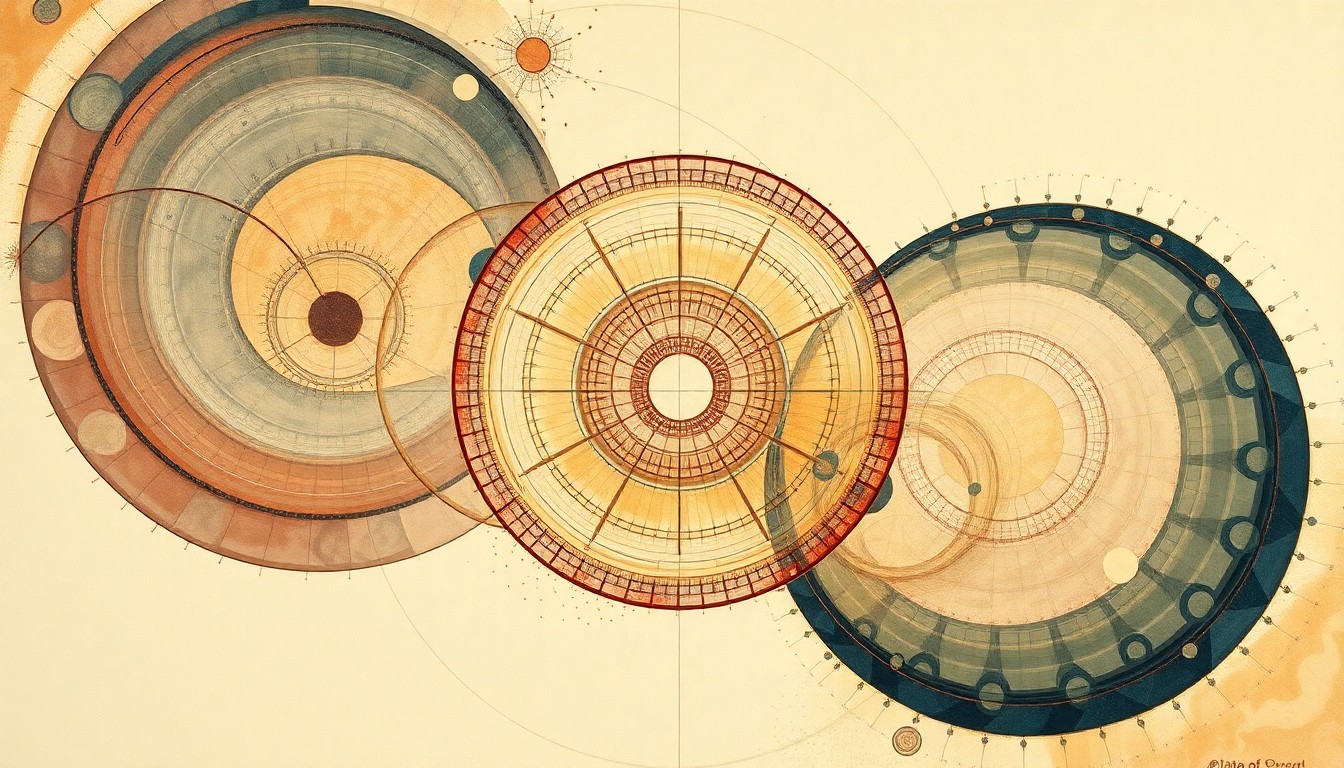 Cutting-edge AI and machine learning are unlocking new insights into the intricate world of protein design, revealing how solvents like water guide the assembly of complex molecular structures.Seattle Today
Researchers at the Pacific Northwest National Laboratory have made a groundbreaking discovery in protein design by leveraging AI and machine learning. By studying protein "nanoribbons" designed by Nobel laureate David Baker, the team found that complex order arises not just from the designed framework, but critically from the effects of solvents like water on the assembly process.
Why it matters
This study challenges existing protein design algorithms and highlights the importance of considering the role of solvents, particularly water, when designing proteins. The findings have far-reaching implications for fields like biomineralization and the development of bioinspired lightweight, crash-resistant materials.
The details
The research team used a machine learning tool called AtomAI to track the orientation and organization of the nanoribbons, revealing that they aligned in a single direction and organized into parallel rows. This was unexpected, as the original plan was to track the arrangement of negative charges on the nanoribbons to match the regular lattice of positively charged potassium ions on the surface of the natural mineral mica. The team's findings suggest that the water on the mica surface is guiding the protein alignment, rather than the underlying lattice of potassium.
- The study was published in Nature Communications in 2026.
The players
Pacific Northwest National Laboratory
A U.S. Department of Energy research laboratory that focuses on scientific discovery and technological innovation.
David Baker
A Nobel Prize-winning scientist who designed the protein "nanoribbons" studied in this research.
James De Yoreo
The co-lead author of the study and an expert in biomineralization and the adaptation of natural strategies to form inorganic materials.
What they’re saying
“The structure of the mantis shrimp shell, a natural composite of nanofibers, proteins, and minerals, is a key model for bioinspired lightweight, crash-resistant materials.”
— James De Yoreo, Co-lead author
“Proteins designed to assemble on surfaces must explicitly include the role of solvents, and that physics-informed machine learning is essential to account for solvent effects when designing proteins.”
— James De Yoreo, Co-lead author
What’s next
The research team plans to further explore the role of solvents in protein design and continue developing physics-informed machine learning tools to guide the design of complex biomaterials.
The takeaway
This study highlights the power of combining protein design, machine learning, and materials science to unlock new insights and advance the field of bioinspired materials. By considering the critical role of solvents, researchers can develop more effective protein design algorithms and create innovative solutions inspired by nature.
Seattle top stories
Seattle events
Apr. 11, 2026
Seattle Kraken Suites
Apr. 11, 2026
Seattle Kraken vs. Calgary Flames