- Today
- Holidays
- Birthdays
- Reminders
- Cities
- Atlanta
- Austin
- Baltimore
- Berwyn
- Beverly Hills
- Birmingham
- Boston
- Brooklyn
- Buffalo
- Charlotte
- Chicago
- Cincinnati
- Cleveland
- Columbus
- Dallas
- Denver
- Detroit
- Fort Worth
- Houston
- Indianapolis
- Knoxville
- Las Vegas
- Los Angeles
- Louisville
- Madison
- Memphis
- Miami
- Milwaukee
- Minneapolis
- Nashville
- New Orleans
- New York
- Omaha
- Orlando
- Philadelphia
- Phoenix
- Pittsburgh
- Portland
- Raleigh
- Richmond
- Rutherford
- Sacramento
- Salt Lake City
- San Antonio
- San Diego
- San Francisco
- San Jose
- Seattle
- Tampa
- Tucson
- Washington
Washington Declares Fourth Drought Emergency in a Row
State braces for severe dry conditions not seen since 2015 crisis.
Apr. 8, 2026 at 8:11pm
Got story updates? Submit your updates here. ›
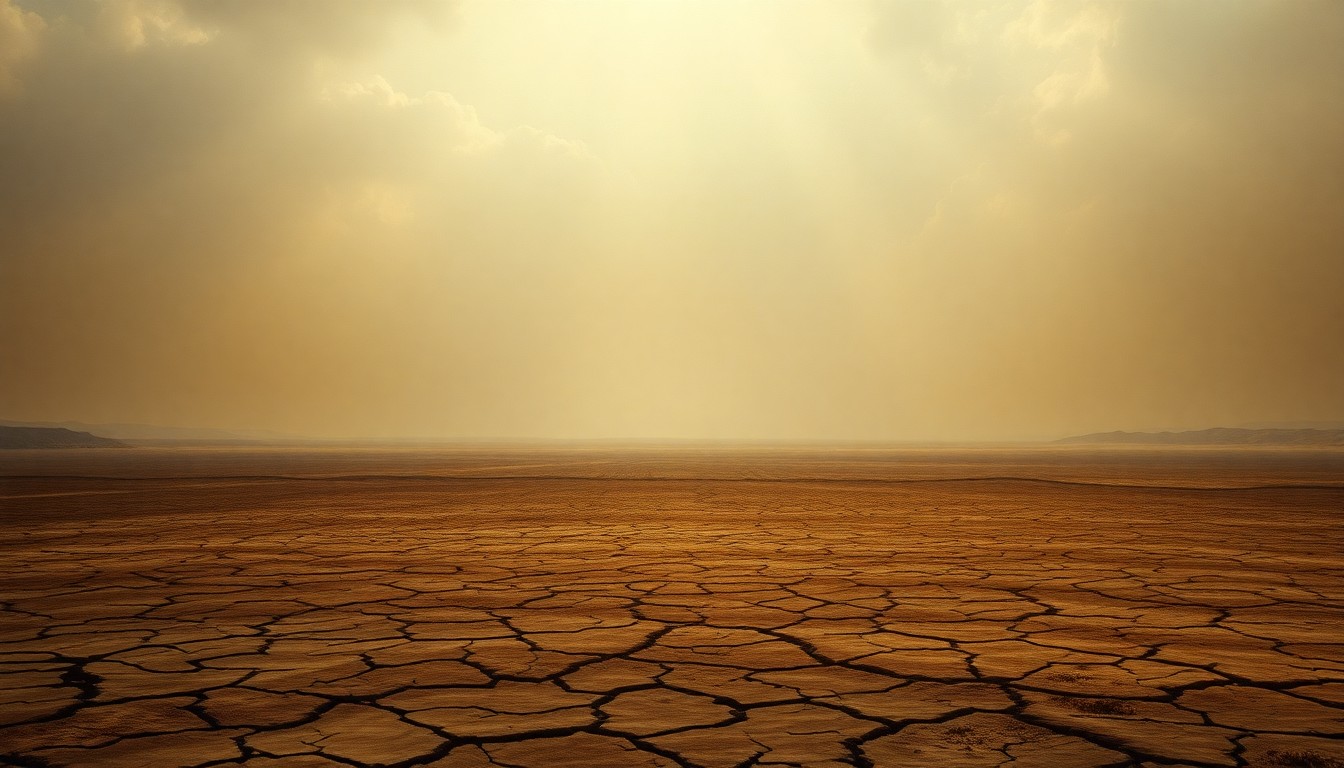 Washington state braces for another devastating drought, as the region's recurring water crises test the limits of its climate resilience.Seattle Today
Washington state officials have declared an unprecedented fourth drought emergency in a row, warning that the state is headed for severe drought conditions more than two months before the start of summer. The declaration comes as the state prepares for a potentially disastrous hot and dry season, reminiscent of the devastating drought that struck in 2015.
Why it matters
Repeated droughts have strained Washington's water resources, impacting agriculture, hydroelectric power generation, and ecosystems. The state's ability to manage these recurring crises has become a major test of its climate resilience and disaster preparedness.
The details
The drought emergency declaration gives state agencies more flexibility to manage water resources and provides access to emergency funds. Officials cite low snowpack levels, reduced rainfall, and above-average temperatures as the key factors driving the looming drought conditions.
- The drought emergency was declared in early April 2026, more than two months before the start of summer.
- The last major drought in Washington occurred in 2015.
The players
Washington State
The state government of Washington, which has declared an unprecedented fourth consecutive drought emergency.
What’s next
State agencies will work to implement emergency water management plans and coordinate with local communities to mitigate the impacts of the drought.
The takeaway
Washington's repeated drought emergencies highlight the growing challenges posed by climate change and the need for the state to strengthen its long-term resilience and adaptation strategies.
Seattle top stories



Seattle events

Apr. 9, 2026
We Three
Apr. 9, 2026
Seattle Kraken Suites
Apr. 9, 2026
Alyssa Edwards - Thanks For Everything Tour 2026