- Today
- Holidays
- Birthdays
- Reminders
- Cities
- Atlanta
- Austin
- Baltimore
- Berwyn
- Beverly Hills
- Birmingham
- Boston
- Brooklyn
- Buffalo
- Charlotte
- Chicago
- Cincinnati
- Cleveland
- Columbus
- Dallas
- Denver
- Detroit
- Fort Worth
- Houston
- Indianapolis
- Knoxville
- Las Vegas
- Los Angeles
- Louisville
- Madison
- Memphis
- Miami
- Milwaukee
- Minneapolis
- Nashville
- New Orleans
- New York
- Omaha
- Orlando
- Philadelphia
- Phoenix
- Pittsburgh
- Portland
- Raleigh
- Richmond
- Rutherford
- Sacramento
- Salt Lake City
- San Antonio
- San Diego
- San Francisco
- San Jose
- Seattle
- Tampa
- Tucson
- Washington
Andrew Yang Discusses Work Ethic, Representation, and Identity
The former presidential candidate says universal basic income wouldn't weaken the work ethic many fear, including among Asian Americans.
Mar. 13, 2026 at 6:21am
Got story updates? Submit your updates here. ›
In a recent interview, former U.S. presidential candidate Andrew Yang discussed his views on universal basic income, work ethic, and his experience running for office as one of the most visible Asian-American candidates in U.S. history. Yang, the son of Taiwanese immigrants, says his parents valued stability and predictable career paths, and initially tried to discourage him from entering politics due to concerns about his financial and personal safety. However, Yang's historic 2020 campaign resonated strongly with Asian-American voters and families who rarely see themselves represented at the highest levels of American politics. Yang argues that universal basic income would not reduce people's willingness to work, but could instead enable more meaningful contributions to local communities and small businesses.
Why it matters
Yang's perspective on universal basic income and work ethic provides insight into how cultural values and identity can shape one's political views. As an Asian-American candidate, Yang's campaign highlighted the importance of representation in politics and the impact it can have on underrepresented communities. His experience also sheds light on the unique challenges and expectations that children of immigrant families may face.
The details
Yang rose to prominence during the 2020 Democratic primary by campaigning on ideas like the impact of automation and artificial intelligence on the workforce, and his flagship proposal of universal basic income. He argues that financial stability from UBI would not reduce people's motivation to work, but could instead unlock new forms of productivity and civic participation. Yang's own upbringing as the son of Taiwanese immigrants shaped his worldview, as his parents initially tried to discourage him from entering politics due to concerns about his financial and personal safety. However, Yang's historic campaign resonated strongly with Asian-American voters and families who rarely see themselves represented at the highest levels of American politics.
- Yang ran for president during the 2020 Democratic primary.
The players
Andrew Yang
A former U.S. presidential candidate and the son of Taiwanese immigrants who campaigned on ideas like universal basic income and the impact of automation on the workforce.
What they’re saying
“The vision is not, 'Hey, I send you money and then you stay in some strange internet rabbit hole.' It's that we all have a place to go because we have value, we have ways to contribute.”
— Andrew Yang, Former U.S. presidential candidate
“My parents actually tried to discourage me from getting into politics. They were worried about my family, my health, my safety, my financial health.”
— Andrew Yang, Former U.S. presidential candidate
“Thank you. I didn't know we were allowed to run for president.”
— Chinese-American family member
The takeaway
Andrew Yang's perspective on universal basic income and work ethic, shaped by his identity as the son of Taiwanese immigrants, highlights how cultural values and representation in politics can intersect. His historic 2020 campaign resonated with Asian-American communities who rarely see themselves reflected at the highest levels of government, underscoring the importance of diverse voices and experiences in shaping the national discourse.
Seattle top stories


Seattle events


Apr. 6, 2026
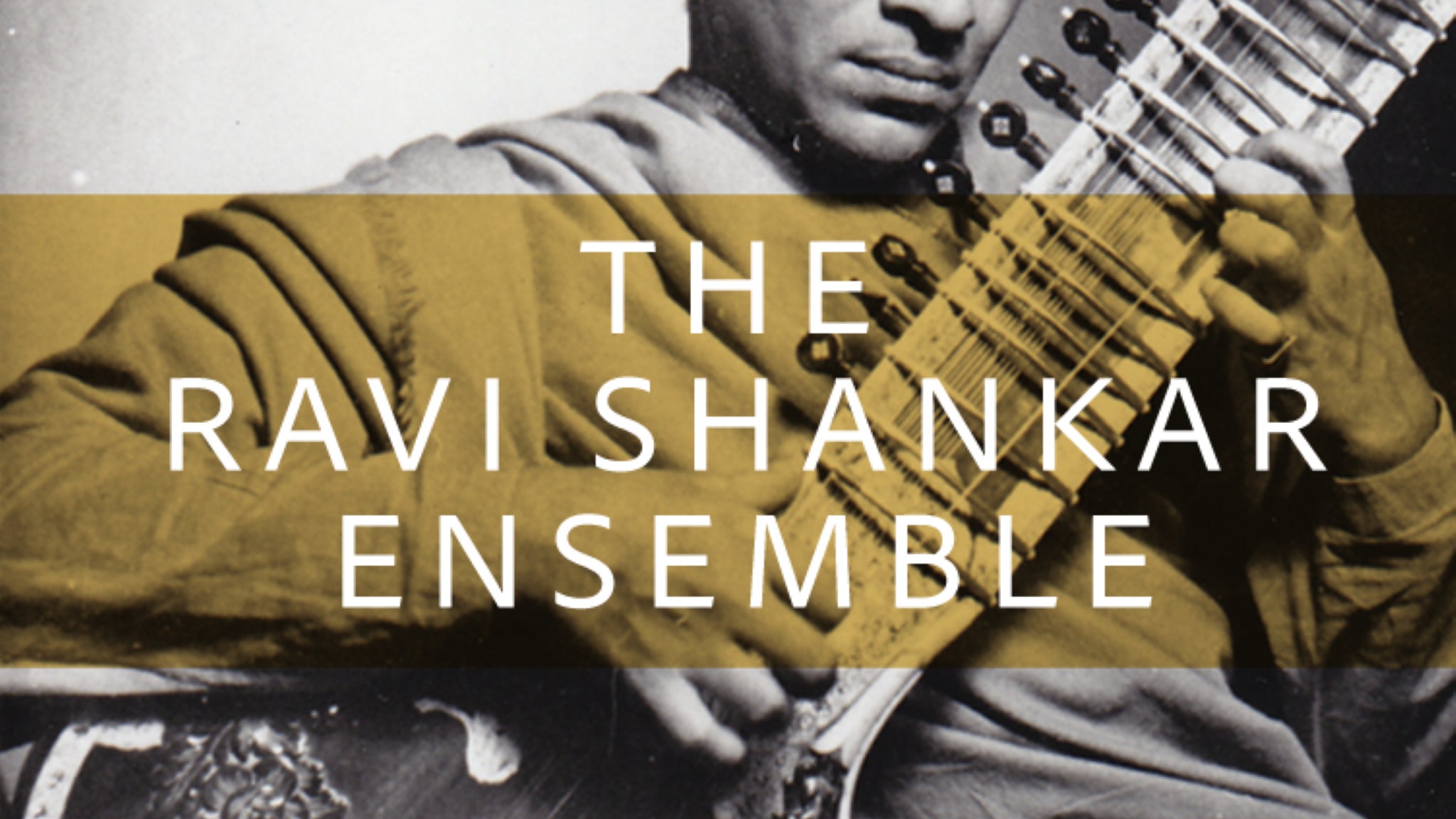
Ravi Shankar Ensemble