- Today
- Holidays
- Birthdays
- Reminders
- Cities
- Atlanta
- Austin
- Baltimore
- Berwyn
- Beverly Hills
- Birmingham
- Boston
- Brooklyn
- Buffalo
- Charlotte
- Chicago
- Cincinnati
- Cleveland
- Columbus
- Dallas
- Denver
- Detroit
- Fort Worth
- Houston
- Indianapolis
- Knoxville
- Las Vegas
- Los Angeles
- Louisville
- Madison
- Memphis
- Miami
- Milwaukee
- Minneapolis
- Nashville
- New Orleans
- New York
- Omaha
- Orlando
- Philadelphia
- Phoenix
- Pittsburgh
- Portland
- Raleigh
- Richmond
- Rutherford
- Sacramento
- Salt Lake City
- San Antonio
- San Diego
- San Francisco
- San Jose
- Seattle
- Tampa
- Tucson
- Washington
Scaramucci Warns 'Overconfidence Breeds Structural Mistakes'
Former Trump advisor admits he 'misread the moment' as Wall Street analyst, says US leaders' post-Cold War arrogance fueled economic missteps.
Feb. 26, 2026 at 4:52am
Got story updates? Submit your updates here. ›
Anthony Scaramucci, founder of SkyBridge Capital, said in a post on X that US leaders developed a "systemic blind spot" after the fall of the Berlin Wall in 1989, treating liberal democracy's victory as inevitable and justifying offshoring and deeper trade integration, including bringing China into the WTO in 2001. Scaramucci admitted he "waved off the concerns of American workers" at the time as a "smug Wall Street analyst." He warned that "success breeds overconfidence" and "when the bill comes due, it's cultural, economic, and political all at once." Scaramucci's forthcoming book, "All the Wrong Moves," will trace how major bipartisan decisions over decades dismantled parts of the American dream and widened mistrust and division.
Why it matters
Scaramucci's critique highlights how post-Cold War US policymaking, driven by overconfidence in the spread of liberal democracy, contributed to economic disruption and social backlash that fueled today's political polarization. His self-reflection as a former insider provides a rare window into how the arrogance of the era shaped decisions with lasting consequences.
The details
In his X post, Scaramucci argued that US leaders "absorbed political scientist Francis Fukuyama's 'End of History' framing and 'got arrogant,' assuming Western systems would naturally spread." This confidence, he said, "helped justify offshoring and deeper trade integration, including bringing China into the World Trade Organization in 2001, while dismissing early warnings about hollowed-out factory towns that flared into public view during the 1999 Seattle protests." Scaramucci admitted that as a "35-year-old smug Wall Street analyst" at the time, he "waved off the concerns of American workers." He warned that "success breeds overconfidence" and "when the bill comes due, it's cultural, economic, and political all at once."
- The Berlin Wall fell in 1989.
- China joined the World Trade Organization in 2001.
- The 1999 Seattle protests highlighted concerns about offshoring and trade integration.
The players
Anthony Scaramucci
The founder of SkyBridge Capital who previously served as White House communications director under President Trump.
Francis Fukuyama
The political scientist who authored the influential book "The End of History and the Last Man" in 1992, arguing that the spread of liberal democracy represented the endpoint of humanity's sociocultural evolution.
What they’re saying
“Success breeds overconfidence. Overconfidence breeds structural mistakes. And when the bill comes due, it's cultural, economic, and political all at once. The first step in fixing it is admitting we misread the moment.”
— Anthony Scaramucci
What’s next
Scaramucci's forthcoming book "All the Wrong Moves" is expected to provide further insights into how post-Cold War policymaking contributed to the dismantling of the American dream and growing political and social divisions.
The takeaway
Scaramucci's self-critique highlights how the arrogance and overconfidence of US leaders in the post-Cold War era led to economic decisions that fueled social and political backlash, underscoring the need for more humility and foresight in policymaking to address the lasting consequences.
Seattle top stories


Seattle events

Apr. 7, 2026
Currents and ERRA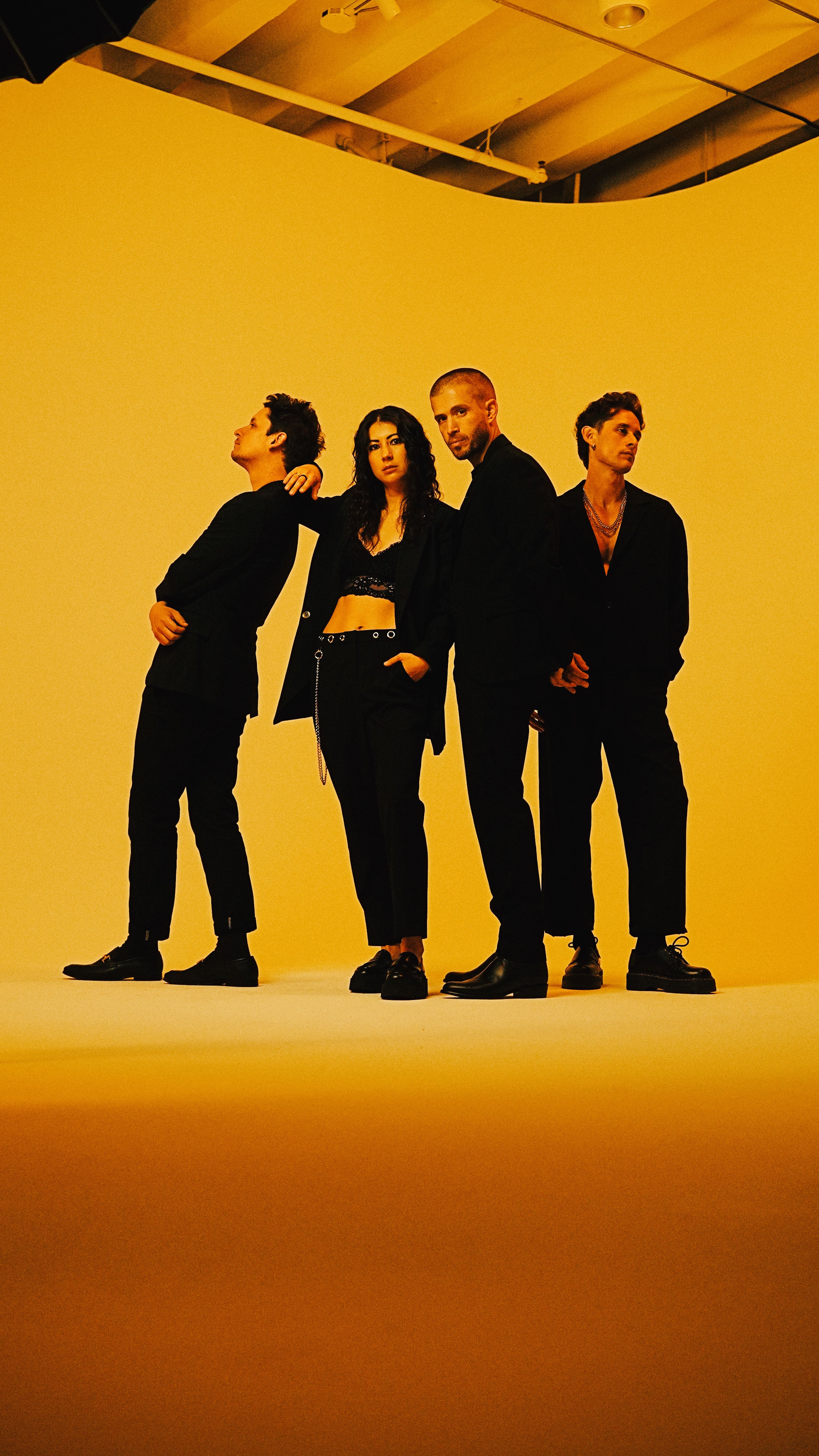
Apr. 7, 2026
The Summer Set, Senses, Lindsay Ell, Good Boy Daisy