- Today
- Holidays
- Birthdays
- Reminders
- Cities
- Atlanta
- Austin
- Baltimore
- Berwyn
- Beverly Hills
- Birmingham
- Boston
- Brooklyn
- Buffalo
- Charlotte
- Chicago
- Cincinnati
- Cleveland
- Columbus
- Dallas
- Denver
- Detroit
- Fort Worth
- Houston
- Indianapolis
- Knoxville
- Las Vegas
- Los Angeles
- Louisville
- Madison
- Memphis
- Miami
- Milwaukee
- Minneapolis
- Nashville
- New Orleans
- New York
- Omaha
- Orlando
- Philadelphia
- Phoenix
- Pittsburgh
- Portland
- Raleigh
- Richmond
- Rutherford
- Sacramento
- Salt Lake City
- San Antonio
- San Diego
- San Francisco
- San Jose
- Seattle
- Tampa
- Tucson
- Washington
Washington Struggles to Enforce Ignition Interlock Mandate After DUIs
Less than half of drivers required to install devices actually do so, despite $14.5 million in state spending
Apr. 11, 2026 at 5:09am
Got story updates? Submit your updates here. ›
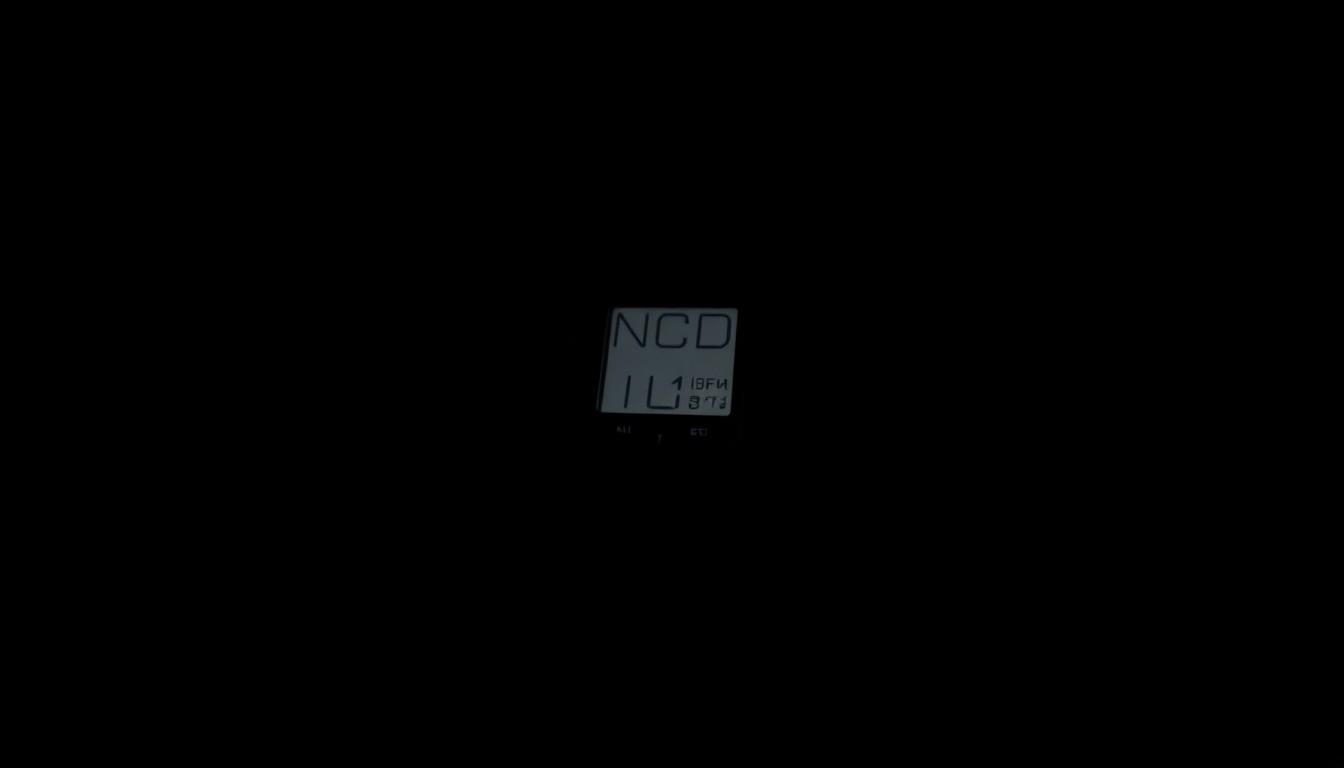 A harsh, close-up view of an ignition interlock device highlights the enforcement challenges around Washington's mandate for DUI offenders.Olympia Today
A new state audit found that only 41% of Washington drivers required to install ignition interlock devices (IIDs) after a DUI conviction actually did so between 2018 and 2025, despite $14.5 million in state spending to boost compliance. The report uncovered issues with the state's financial assistance program and lack of coordination between the Department of Licensing and State Patrol to enforce the mandate.
Why it matters
Ignition interlock devices are a key tool to prevent drunk driving recidivism, but the state's failure to enforce the mandate raises concerns about public safety and the effectiveness of the program. The findings also highlight challenges with the financial burden placed on low-income offenders and the need for better data tracking and interagency cooperation.
The details
The Joint Legislative Audit and Review Committee (JLARC) examined 66,000 drivers with IID requirements from 2018 to 2025 and found that 59% had not installed the required devices. The report found issues with the state's financial assistance program, which has raised $27.2 million but only allocated $14.5 million to help low-income offenders afford the $2,700 annual cost. JLARC recommended the Department of Licensing (DOL) and Washington State Patrol (WSP) improve coordination, data tracking, and outreach to increase compliance.
- Between January 2018 and June 2025, JLARC reviewed 66,000 drivers with IID requirements.
- In 2024, the state allocated $400,000 to JLARC to examine IID installation rates and make recommendations.
- JLARC presented its final report to lawmakers on Wednesday, January 22, 2026.
The players
Joint Legislative Audit and Review Committee (JLARC)
A bipartisan state legislative committee that conducted the performance audit on Washington's ignition interlock device program.
Department of Licensing (DOL)
The state agency responsible for administering the ignition interlock device program, including overseeing the financial assistance fund and contracts with device manufacturers.
Washington State Patrol (WSP)
The state law enforcement agency that shares responsibility with the DOL for enforcing the ignition interlock device mandate.
Zack Freeman
A JLARC research analyst who presented the final audit report to lawmakers.
Rep. Jake Fey
A Democratic state representative from Tacoma who pressed JLARC staff on why no single agency has taken responsibility for ensuring compliance with the ignition interlock mandate.
What they’re saying
“There's no data to explicitly know whether a driver is continuing to drive, unless they are pulled over.”
— Zack Freeman, JLARC Research Analyst
“How [come] no one has taken responsibility for making sure that these devices are installed? Seems to me, with the amount of problems that we have, that this ought to be a higher priority [for the Department of Licensing and Washington State Patrol].”
— Rep. Jake Fey, State Representative
“It just could be a data issue, but we are one of the leading states when it comes to compliance. Unfortunately, it's still not great, in the 40% range.”
— Sgt. Brandon Vellante, Washington State Patrol
What’s next
The Department of Licensing and Washington State Patrol have agreed to meet quarterly to develop a coordinated strategy for increasing ignition interlock device installation rates, including improving data tracking, outreach to drivers, and access to financial assistance.
The takeaway
Washington's ignition interlock device program, intended to prevent drunk driving recidivism, is struggling with low compliance rates despite significant state funding. Addressing the program's administrative and financial challenges, as well as improving interagency coordination, will be crucial to improving public safety outcomes.