- Today
- Holidays
- Birthdays
- Reminders
- Cities
- Atlanta
- Austin
- Baltimore
- Berwyn
- Beverly Hills
- Birmingham
- Boston
- Brooklyn
- Buffalo
- Charlotte
- Chicago
- Cincinnati
- Cleveland
- Columbus
- Dallas
- Denver
- Detroit
- Fort Worth
- Houston
- Indianapolis
- Knoxville
- Las Vegas
- Los Angeles
- Louisville
- Madison
- Memphis
- Miami
- Milwaukee
- Minneapolis
- Nashville
- New Orleans
- New York
- Omaha
- Orlando
- Philadelphia
- Phoenix
- Pittsburgh
- Portland
- Raleigh
- Richmond
- Rutherford
- Sacramento
- Salt Lake City
- San Antonio
- San Diego
- San Francisco
- San Jose
- Seattle
- Tampa
- Tucson
- Washington
Newcastle Today
By the People, for the People
Diabetes Trial Explores New Hypo Awareness Treatments
Researchers test artificial pancreas and psychoeducational programs to restore warning signs of low blood sugar in type 1 diabetes patients
Mar. 25, 2026 at 12:44am
Got story updates? Submit your updates here. ›
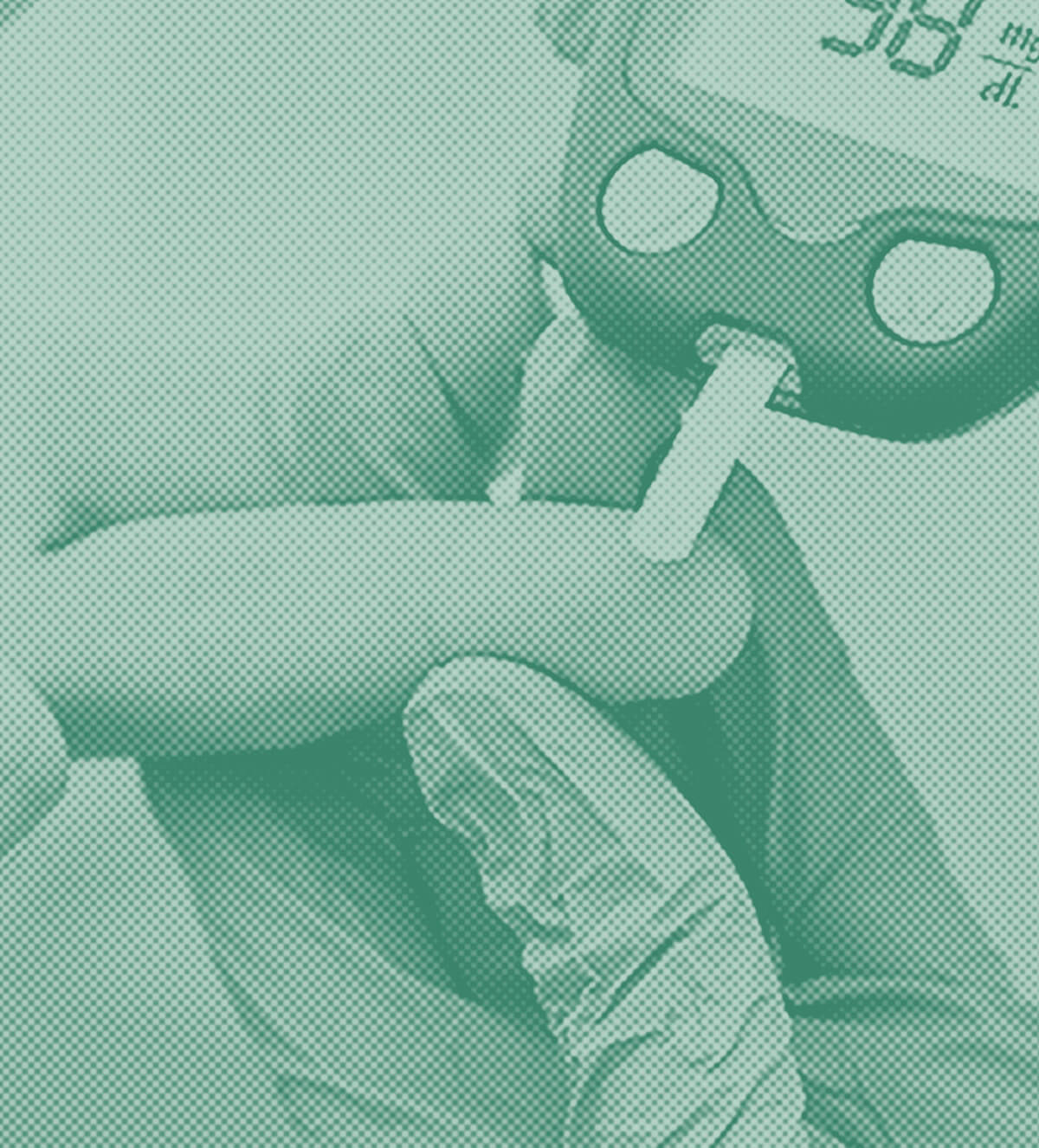
A multinational clinical trial called CLEAR is underway to test new treatments aimed at restoring the body's natural warning signs for low blood sugar in people with type 1 diabetes. The trial will compare an 'artificial pancreas' pump system with specialized psychoeducational programs to see which is most effective at helping patients regain awareness of hypoglycemic symptoms.
Why it matters
About 1 in 4 people with type 1 diabetes lose the ability to perceive the early warning signs of low blood sugar, putting them at increased risk of severe, life-threatening episodes. Restoring this critical awareness is crucial to help patients safely manage their condition and avoid crises.
The details
The CLEAR trial is being led by researchers from Sheffield Teaching Hospitals NHS Foundation Trust, the Universities of Sheffield and Leicester, and University Hospitals of Leicester NHS Trust. They will test three interventions: an artificial pancreas pump system, the MyHypoCOMPaSS program, and the HARPdoc program - both of which aim to help patients re-tune their mind and body to recognize subtle hypoglycemic symptoms. After one year, the team will assess how well each approach restores awareness in participants.
- The CLEAR trial is currently underway.
- After one year, the research team will evaluate the results.
The players
Sheffield Teaching Hospitals NHS Foundation Trust
The lead institution coordinating the CLEAR trial and recruiting participants in the north of England.
University of Sheffield
A collaborating institution on the CLEAR trial.
University of Leicester
A collaborating institution on the CLEAR trial.
University Hospitals of Leicester NHS Trust
A collaborating institution on the CLEAR trial.
Professor Simon Heller
International Consortium Co-lead of the CLEAR Study and Honorary Consultant Physician at Sheffield Teaching Hospitals NHS Foundation Trust.
What they’re saying
“A quarter of people living with type 1 diabetes experience a delay or inability to perceive the initial warning signs of hypoglycaemia. This has huge consequences, both on patients and the wider community, with patients describing imposed changes to their lives such as leaving employment, stopping hobbies they enjoy and spending more time at home or being supervised by others. Rates of anxiety, depression and distress from diabetes are higher. Fear of having a hypo can also lead to people running their glucose levels higher leading to higher chances of having other diabetes-related complications.”
— Professor Simon Heller, International Consortium Co-lead of the CLEAR Study and Honorary Consultant Physician at Sheffield Teaching Hospitals NHS Foundation Trust
“Being part of this international trial is really important and we are really pleased to be working with colleagues from Sheffield to use treatments like artificial pancreas, and HARPdoc and HYPOCOMPASS that are not easily available on the NHS to help this group of patients through this trial.”
— Professor Pratik Choudhary
What’s next
After one year, the research team will check how well each intervention restores awareness in patients - with participants given the option of adding in one of the other interventions in the second year.
The takeaway
This trial represents an important effort to address a critical issue facing many type 1 diabetes patients - the loss of natural warning signs for dangerously low blood sugar. By testing innovative treatments like artificial pancreas systems and specialized psychoeducational programs, the researchers hope to find the most effective way to restore this vital awareness and improve outcomes for this vulnerable population.