- Today
- Holidays
- Birthdays
- Reminders
- Cities
- Atlanta
- Austin
- Baltimore
- Berwyn
- Beverly Hills
- Birmingham
- Boston
- Brooklyn
- Buffalo
- Charlotte
- Chicago
- Cincinnati
- Cleveland
- Columbus
- Dallas
- Denver
- Detroit
- Fort Worth
- Houston
- Indianapolis
- Knoxville
- Las Vegas
- Los Angeles
- Louisville
- Madison
- Memphis
- Miami
- Milwaukee
- Minneapolis
- Nashville
- New Orleans
- New York
- Omaha
- Orlando
- Philadelphia
- Phoenix
- Pittsburgh
- Portland
- Raleigh
- Richmond
- Rutherford
- Sacramento
- Salt Lake City
- San Antonio
- San Diego
- San Francisco
- San Jose
- Seattle
- Tampa
- Tucson
- Washington
Vermont Maple Sugaring Helps Local Ecosystems Thrive
UVM study finds maple producers can improve forest biodiversity without impacting sap yields or costs.
Apr. 10, 2026 at 6:28am
Got story updates? Submit your updates here. ›
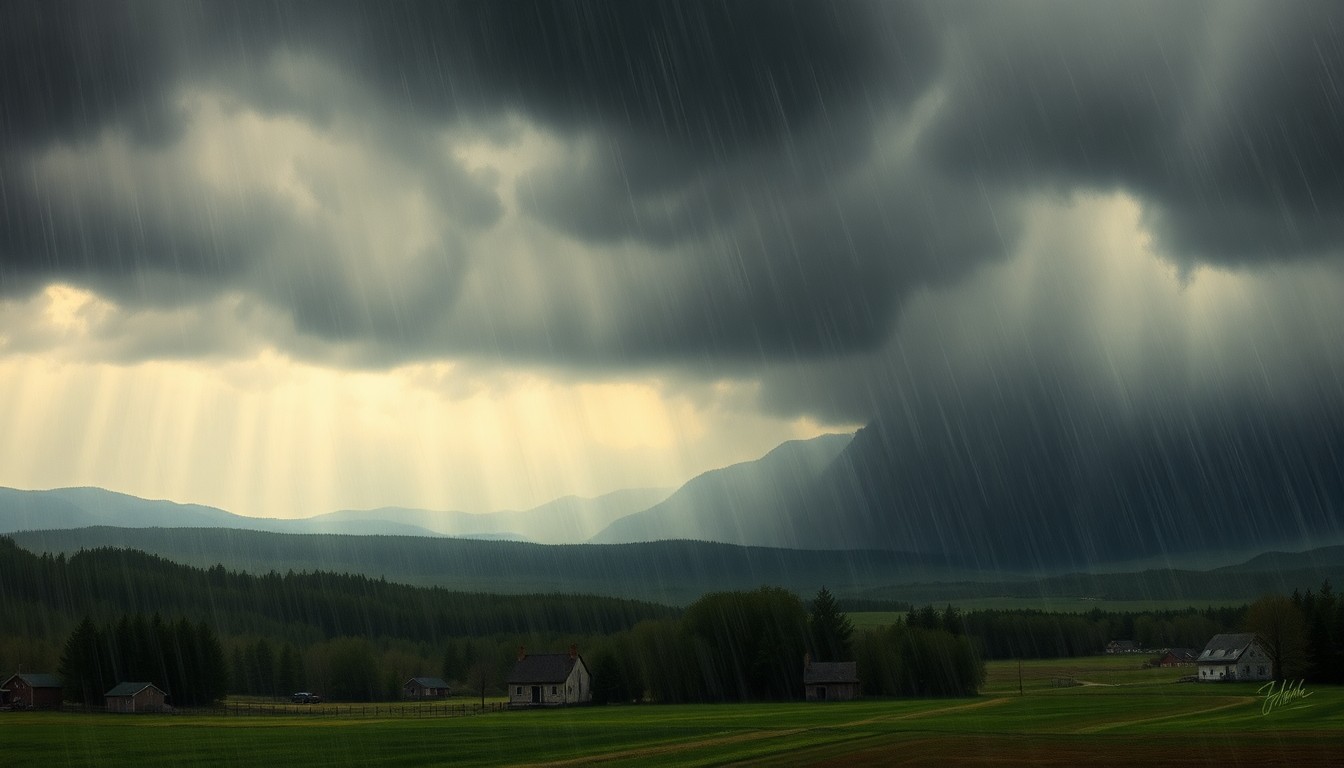
 An abstract visual representation of the biodiversity-boosting effects of sustainable maple sugaring practices in Vermont's forests.Burlington Today
A new University of Vermont study has found that maple sugaring practices can actually help improve forest biodiversity in Vermont without increasing costs or reducing sap yields for producers. Researchers surveyed 70 Vermont sugarmakers, from small operations to large automated producers, and found that nearly two-thirds reported using at least one biodiversity-friendly practice, such as following a forest management plan, using organic protocols, participating in bird-friendly programs, leaving standing dead trees for habitat, and removing invasive species.
Why it matters
Maple sugaring is a vital part of Vermont's economy and culture, but it also has an impact on the local environment. This study shows that maple producers can take steps to support wildlife and maintain healthy forests while keeping their operations financially sustainable, benefiting both the ecosystem and the industry.
The details
The UVM researchers compared annual spending per acre with average sap yield per acre for the 70 sugarmakers surveyed. They found that the producers using biodiversity-friendly practices were able to maintain their sap yields and production costs, demonstrating that supporting local ecosystems does not have to come at the expense of maple sugaring productivity.
- The UVM study was conducted in 2026.
The players
University of Vermont
A public research university located in Burlington, Vermont that conducted the study on maple sugaring practices and their impact on local ecosystems.
The takeaway
This study shows that Vermont's maple sugaring industry can be both economically viable and environmentally sustainable, providing a model for other agricultural sectors to follow in supporting local ecosystems.
Burlington top stories


Burlington events
Apr. 19, 2026
Nick Offerman
Apr. 19, 2026
Nick Offerman