- Today
- Holidays
- Birthdays
- Reminders
- Cities
- Atlanta
- Austin
- Baltimore
- Berwyn
- Beverly Hills
- Birmingham
- Boston
- Brooklyn
- Buffalo
- Charlotte
- Chicago
- Cincinnati
- Cleveland
- Columbus
- Dallas
- Denver
- Detroit
- Fort Worth
- Houston
- Indianapolis
- Knoxville
- Las Vegas
- Los Angeles
- Louisville
- Madison
- Memphis
- Miami
- Milwaukee
- Minneapolis
- Nashville
- New Orleans
- New York
- Omaha
- Orlando
- Philadelphia
- Phoenix
- Pittsburgh
- Portland
- Raleigh
- Richmond
- Rutherford
- Sacramento
- Salt Lake City
- San Antonio
- San Diego
- San Francisco
- San Jose
- Seattle
- Tampa
- Tucson
- Washington
Lake Champlain's Freezing Patterns Shift Over Decades
The lake once froze nearly every winter, but a complete freeze has become increasingly rare since the 1970s.
Jan. 28, 2026 at 12:55am
Got story updates? Submit your updates here. ›
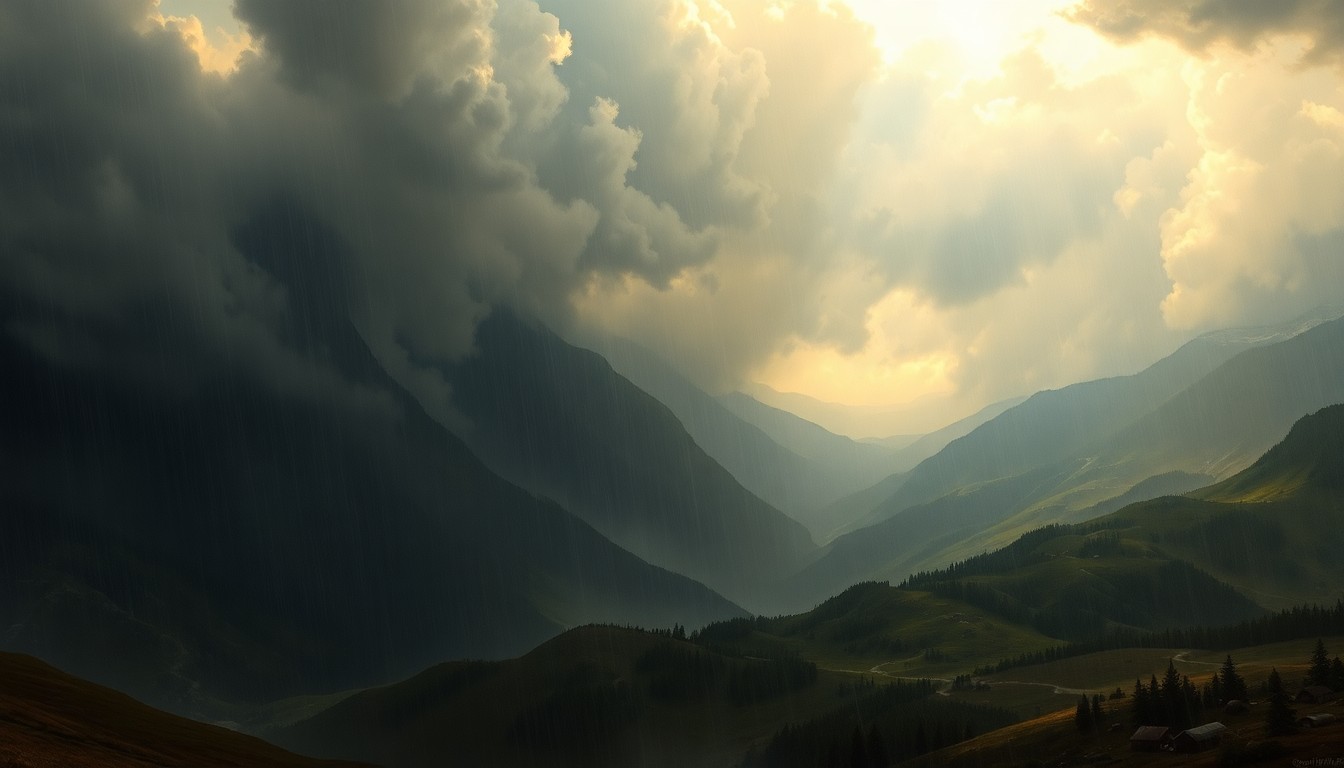
Lake Champlain in Vermont has seen a dramatic shift in its freezing patterns over the past several decades. Before the 1940s, the lake froze completely almost every winter. Between the 1940s and 1970s, it still froze more often than not. However, since the 1970s, a complete freeze has become increasingly rare, with the 2020s not seeing a single winter where the lake froze solid.
Why it matters
The decreasing frequency of Lake Champlain freezing completely is a sign of the broader climate changes occurring in the region. As temperatures warm, the lake is less likely to freeze over, which can impact local ecosystems, transportation, and recreational activities that have historically relied on the frozen lake.
The details
Despite the overall trend, this winter is shaping up to be a likely candidate for a complete freeze. December brought well-below-average temperatures, and the arctic air in place for the remainder of January could allow the lake to freeze solid. Typically, when the lake does freeze, it happens after January, so the timing could still work in favor of a full freeze this year.
- Before the 1940s, Lake Champlain froze completely almost every winter.
- Between the 1940s and 1970s, the lake still froze more often than not.
- Since the 1970s, a complete freeze has become increasingly rare.
- The 2020s have not yet seen the lake freeze solid in a single winter.
The players
Lake Champlain
A large lake located between Vermont and New York, known for its historical pattern of freezing over in the winter.
What’s next
Meteorologists will continue to closely monitor the expansion of ice on Lake Champlain and provide updates on whether the lake is likely to freeze solid this winter.
The takeaway
The decreasing frequency of Lake Champlain freezing completely is a clear sign of the broader climate changes occurring in the region, with potentially significant impacts on local ecosystems, transportation, and recreational activities that have historically relied on the frozen lake.
Burlington top stories


Burlington events
Apr. 19, 2026
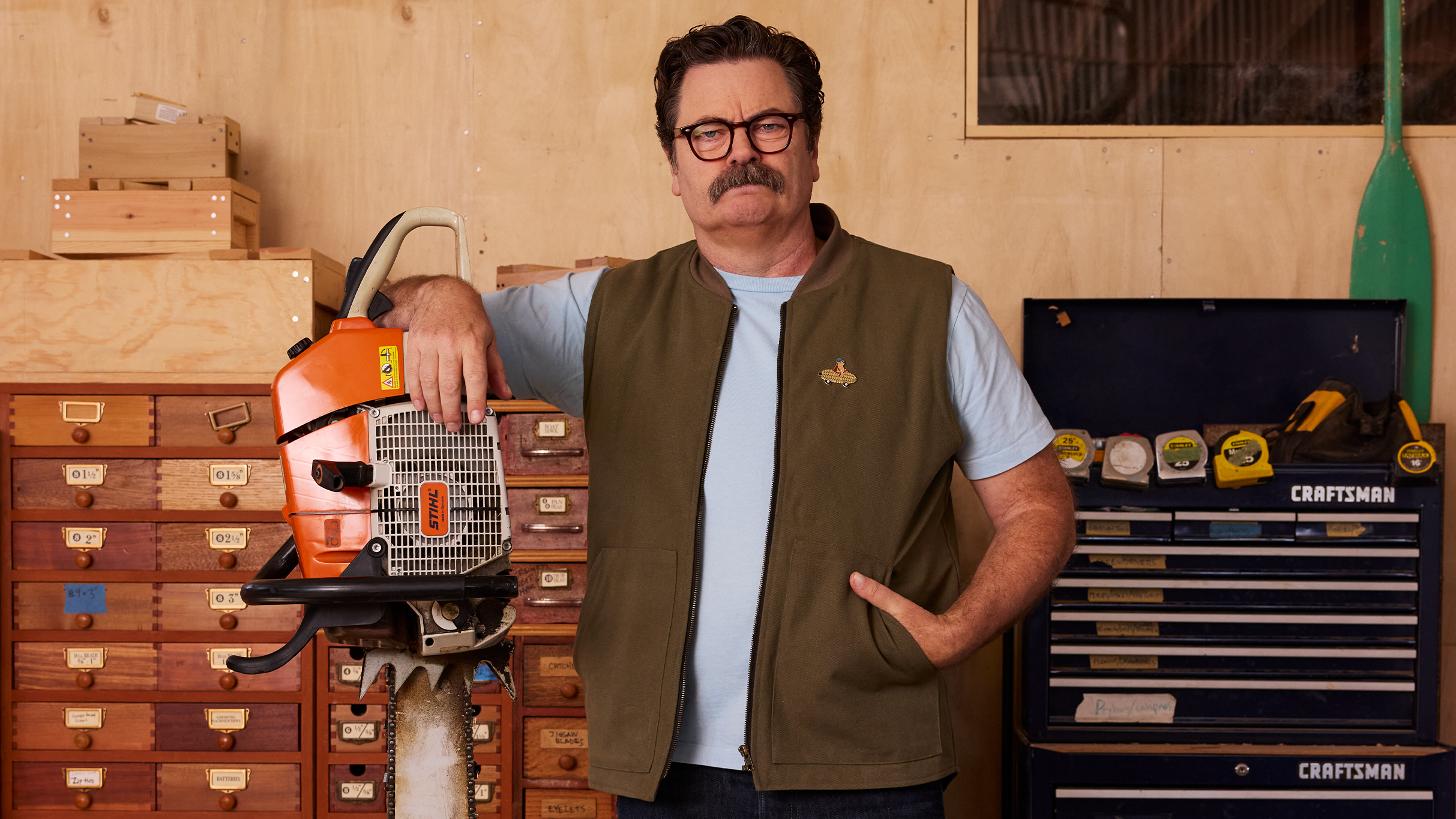
Nick Offerman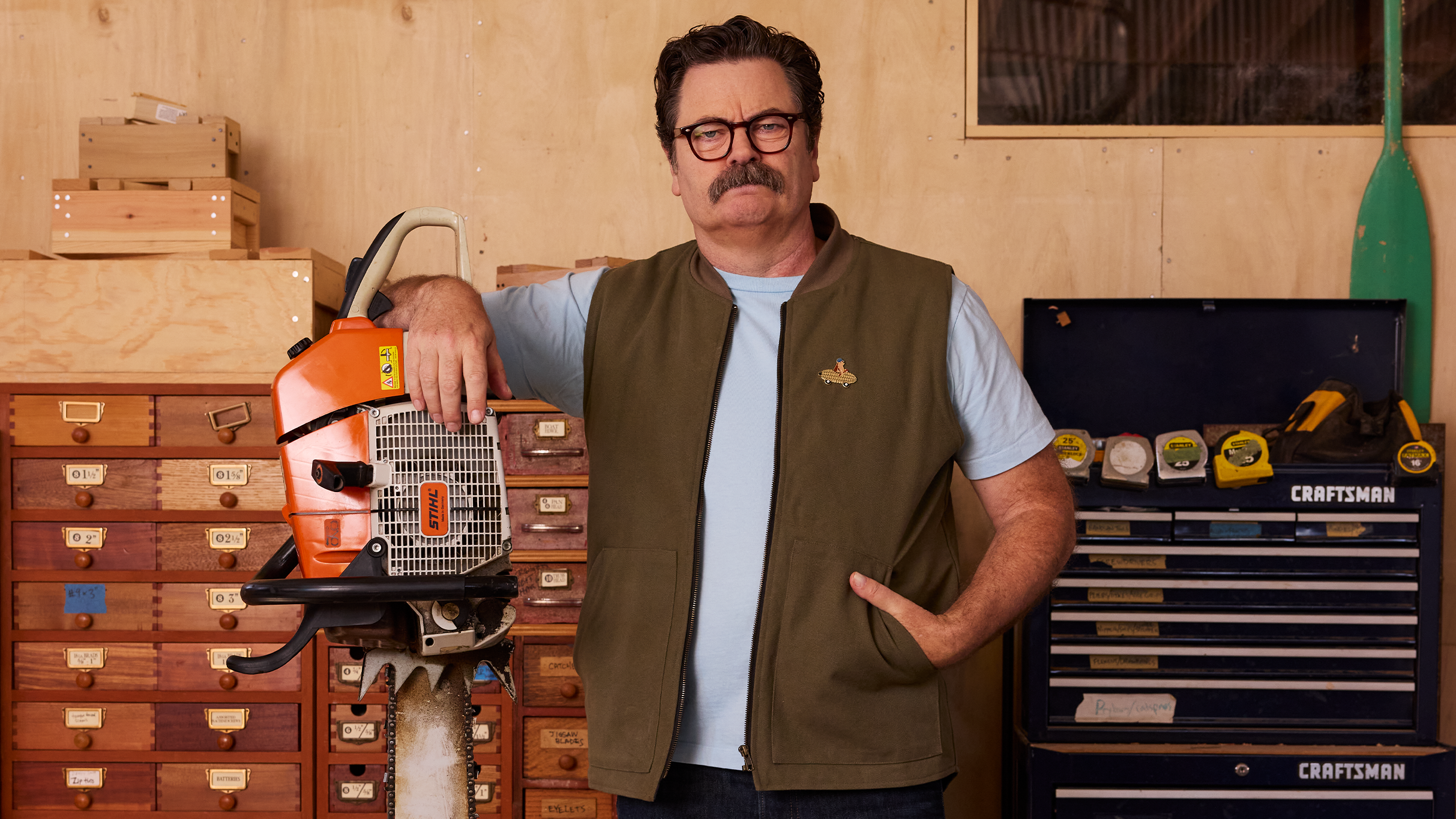
Apr. 19, 2026
Nick Offerman