- Today
- Holidays
- Birthdays
- Reminders
- Cities
- Atlanta
- Austin
- Baltimore
- Berwyn
- Beverly Hills
- Birmingham
- Boston
- Brooklyn
- Buffalo
- Charlotte
- Chicago
- Cincinnati
- Cleveland
- Columbus
- Dallas
- Denver
- Detroit
- Fort Worth
- Houston
- Indianapolis
- Knoxville
- Las Vegas
- Los Angeles
- Louisville
- Madison
- Memphis
- Miami
- Milwaukee
- Minneapolis
- Nashville
- New Orleans
- New York
- Omaha
- Orlando
- Philadelphia
- Phoenix
- Pittsburgh
- Portland
- Raleigh
- Richmond
- Rutherford
- Sacramento
- Salt Lake City
- San Antonio
- San Diego
- San Francisco
- San Jose
- Seattle
- Tampa
- Tucson
- Washington
Focused Ultrasound Offers New Hope for Parkinson's and Essential Tremor
Revolutionary non-invasive treatment shows promising results, but faces adoption challenges
Apr. 13, 2026 at 6:54am
Got story updates? Submit your updates here. ›
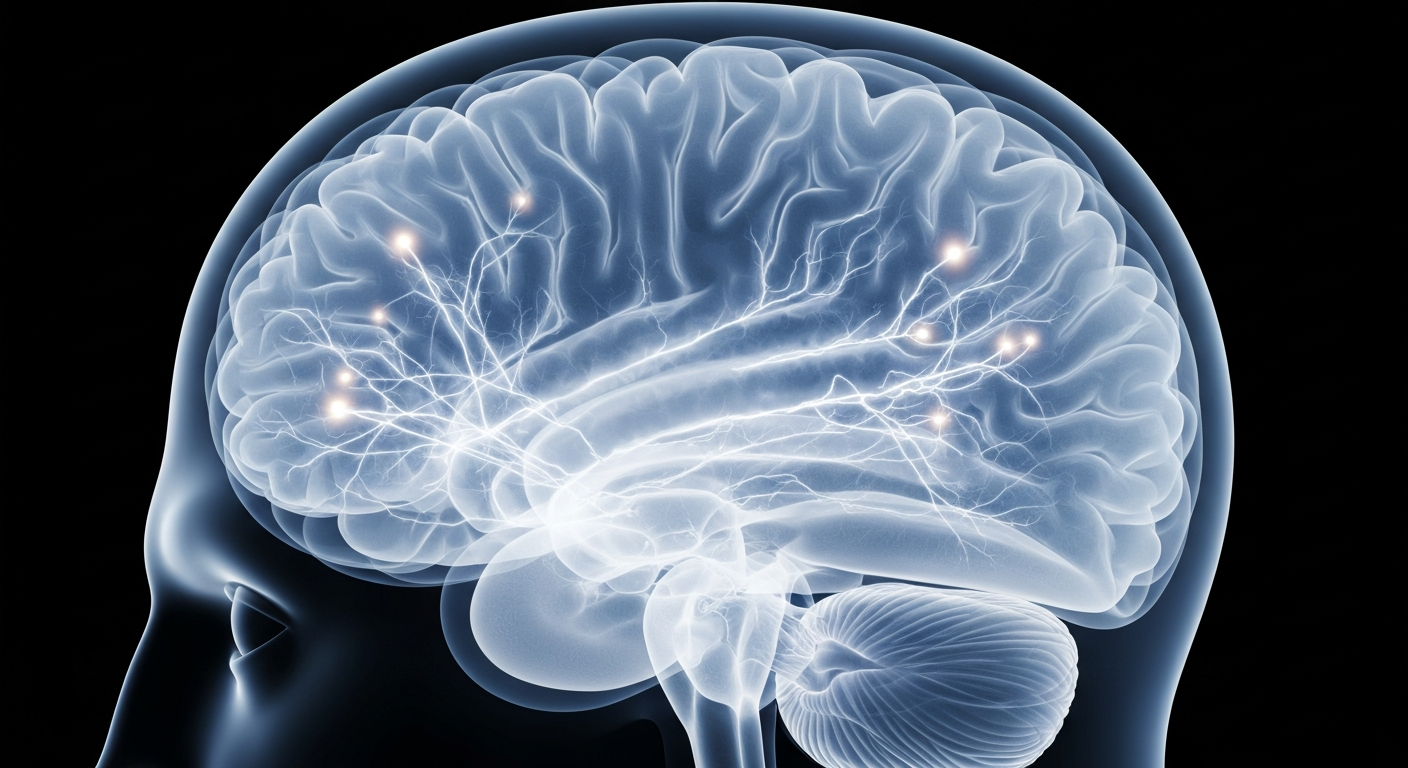 Focused ultrasound offers a revolutionary, non-invasive approach to treating neurological disorders by precisely targeting problematic brain circuits.University of Virginia Today
A groundbreaking non-invasive technology called focused ultrasound is emerging as a potential game-changer for treating debilitating conditions like Parkinson's disease and essential tremor. Unlike traditional surgical interventions, focused ultrasound uses precisely targeted ultrasound waves to destroy problematic cells or deliver medication directly to affected areas. While the treatment has already helped thousands of patients globally, experts discuss the hurdles to wider adoption of this innovative approach.
Why it matters
Focused ultrasound represents a major advancement in medical care, offering a non-invasive alternative to traditional surgeries for neurological conditions. If more widely adopted, this technology could significantly improve quality of life for many patients and reduce the risks and recovery times associated with invasive procedures. However, integrating new technologies into established healthcare systems can be challenging, and overcoming inertia in the medical establishment is an ongoing obstacle.
The details
Focused ultrasound works by using an acoustic lens to precisely direct ultrasound waves deep within the body, generating heat that can destroy unwanted tissue or deliver targeted medication. This approach has been approved for over 35 medical conditions worldwide, including uterine fibroids and certain brain tumors. In the case of neurological disorders like Parkinson's and essential tremor, focused ultrasound can be used to disrupt the problematic brain circuits responsible for symptoms. The treatment typically involves multiple focused ultrasound sessions, with patients experiencing significant, long-lasting improvements in their condition.
- Focused ultrasound has been available for the treatment of uterine fibroids for 22 years.
- In the U.S., approximately 250 sites are currently equipped to offer focused ultrasound treatments.
- Over 25,000 patients have been successfully treated for essential tremor using focused ultrasound.
- Globally, focused ultrasound has been used on about 30,000 Parkinson's patients, with at least 75% experiencing significant, long-lasting improvements.
The players
Neal F. Kassell, MD
Founder and Chairman of the Focused Ultrasound Foundation, Dr. Kassell is a visionary in medical research, education, and advocacy, dedicated to accelerating the adoption of focused ultrasound. He was a Professor of Neurosurgery at the University of Virginia and served on the National Cancer Institute's Cancer Moonshot Blue Ribbon Panel.
Bobby Krause
Founder of the Be Still Foundation, Bobby is a passionate advocate for patients and families affected by Essential Tremor and Parkinson's disease. His personal journey fuels his mission to raise awareness, support research, and promote life-changing treatments like focused ultrasound.
What they’re saying
“Focused ultrasound isn't just for tumors. It's been explored for over 180 medical conditions, with regulatory approval for 35 different conditions worldwide.”
— Neal F. Kassell, MD, Founder and Chairman, Focused Ultrasound Foundation
“Though initially ineligible for a clinical trial, Bobby seized the opportunity a few years later at the University of Pennsylvania. In 2022, he underwent three sonication treatments in a single day. The results were astonishing; he even regained an inch of height that had been lost due to muscle spasms.”
— Bobby Krause, Founder, Be Still Foundation
What’s next
Experts believe that as more healthcare providers become familiar with focused ultrasound and its potential benefits, and as insurance coverage expands, this innovative treatment approach will become more widely adopted for a range of medical conditions.
The takeaway
Focused ultrasound represents a significant advancement in non-invasive medical care, offering new hope for patients with debilitating neurological disorders like Parkinson's disease and essential tremor. While the technology faces some hurdles in terms of wider adoption, the promising results and potential to improve quality of life for many patients make it a treatment worth watching in the coming years.