- Today
- Holidays
- Birthdays
- Reminders
- Cities
- Atlanta
- Austin
- Baltimore
- Berwyn
- Beverly Hills
- Birmingham
- Boston
- Brooklyn
- Buffalo
- Charlotte
- Chicago
- Cincinnati
- Cleveland
- Columbus
- Dallas
- Denver
- Detroit
- Fort Worth
- Houston
- Indianapolis
- Knoxville
- Las Vegas
- Los Angeles
- Louisville
- Madison
- Memphis
- Miami
- Milwaukee
- Minneapolis
- Nashville
- New Orleans
- New York
- Omaha
- Orlando
- Philadelphia
- Phoenix
- Pittsburgh
- Portland
- Raleigh
- Richmond
- Rutherford
- Sacramento
- Salt Lake City
- San Antonio
- San Diego
- San Francisco
- San Jose
- Seattle
- Tampa
- Tucson
- Washington
UVA Professor Condemns Trump's 'Schoolyard Bully' Rhetoric on Iran Conflict
Warns president's threats could approach 'war crimes' and 'genocide' if carried out
Apr. 7, 2026 at 7:55pm
Got story updates? Submit your updates here. ›
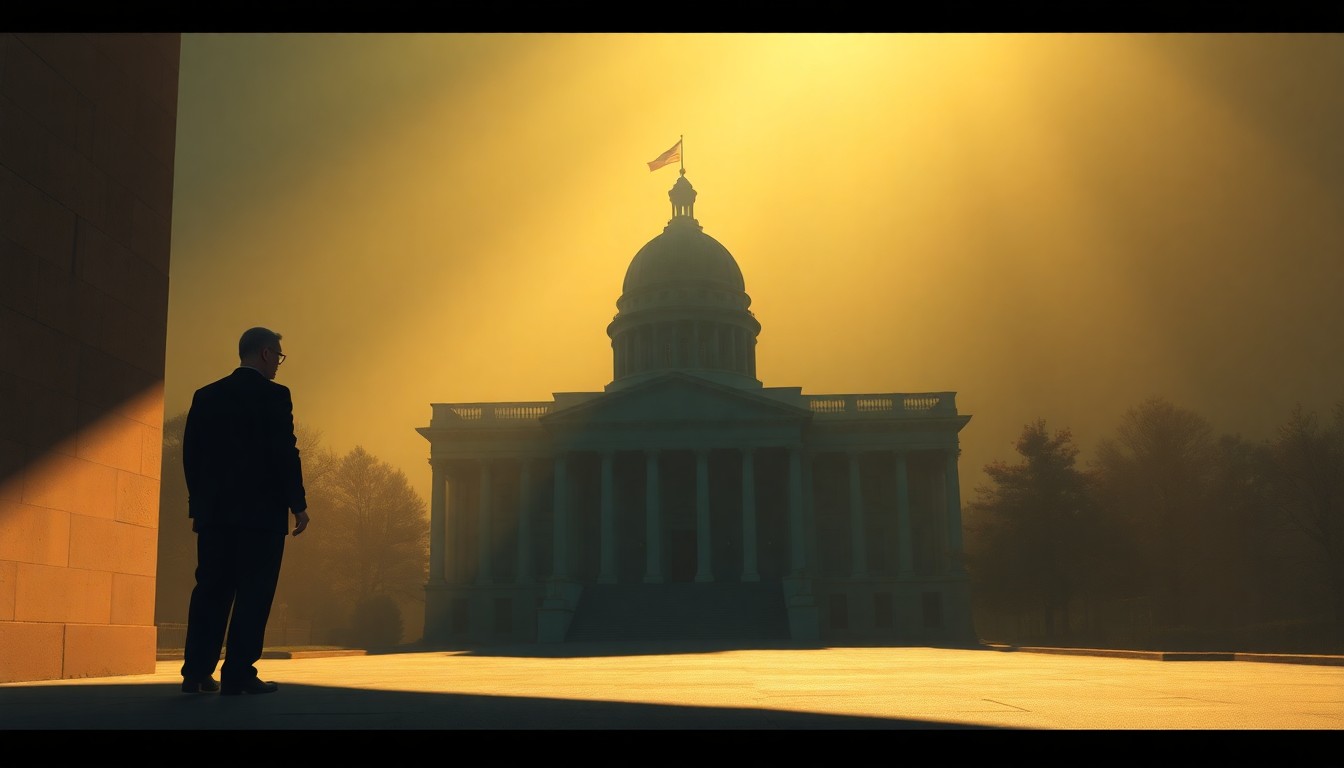 The president's threatening rhetoric on the U.S.-Iran conflict evokes a 'schoolyard bully' mentality, according to a UVA professor.Richmond Today
After President Donald Trump warned that a 'whole civilization will die tonight' amid the U.S.-Iran conflict, a University of Virginia (UVA) professor at the Miller Center compared the president's rhetoric to that of a 'schoolyard bully.' The professor argued that Trump's exaggerated language, including threats to strike Iranian infrastructure, could be considered strategic threats meant to pressure adversaries, but also potentially cross the line into war crimes and even genocide if carried out.
Why it matters
The professor's comments highlight growing concerns about the president's use of extreme, all-or-nothing language in foreign policy negotiations, which some experts say could escalate tensions and lead to unlawful military actions. The remarks also come as the U.S. and Iran remain locked in an ongoing conflict, with the potential for further violence and civilian casualties.
The details
On Tuesday, April 7, Barbara Perry, the J. Wilson Newman Professor of Governance at the Miller Center at UVA, spoke with 8News about the president's rhetoric, potential war crimes, and historical comparisons ahead of Trump's desired 8 p.m. EST/7 p.m. CST deadline for Iran to strike a deal. Perry argued that Trump frequently uses exaggerated, theatrical language in negotiations, describing it as both coercive and akin to a 'schoolyard bully' not only bullying individuals but entire countries and civilizations. She warned that if Trump's comments are interpreted as a threat to destroy a people or culture, it could approach the level of genocide, which is illegal under global law. Perry also drew comparisons to the U.S. bombing campaign in Vietnam, arguing that despite extensive bombing, such tactics often fail to achieve strategic goals and only serve to intensify beliefs.
- On Tuesday, April 7, 8News spoke with Barbara Perry about the president's rhetoric.
- Trump set an 8 p.m. EST/7 p.m. CST deadline on Tuesday for Iran to strike a deal.
The players
Barbara Perry
The J. Wilson Newman Professor of Governance at the Miller Center at the University of Virginia.
Donald Trump
The President of the United States.
What they’re saying
“He tends to exaggerate and use superlatives to describe everything — and also everything is either the best or the worst. There's kind of a schoolyard bully element to it, of not only bullying individuals or members of the press, but now an entire country and an entire civilization.”
— Barbara Perry, J. Wilson Newman Professor of Governance, University of Virginia
“It could mean … that he would start bombing the civilian elements of bridges, infrastructure, water plants, electric plants. Which, if it doesn't cross the line, certainly borders on war crimes … [because] we're not supposed to engage in that kind of attacks on civilian infrastructure.”
— Barbara Perry, J. Wilson Newman Professor of Governance, University of Virginia
What’s next
The Senate Majority Leader must immediately call the Senate back to DC so they can address this crisis, according to Sen. Tim Kaine (D-Va.).
The takeaway
The professor's comments highlight growing concerns about the president's use of extreme rhetoric in foreign policy negotiations, which some experts warn could escalate tensions and potentially lead to unlawful military actions that could be considered war crimes or even genocide if carried out.