- Today
- Holidays
- Birthdays
- Reminders
- Cities
- Atlanta
- Austin
- Baltimore
- Berwyn
- Beverly Hills
- Birmingham
- Boston
- Brooklyn
- Buffalo
- Charlotte
- Chicago
- Cincinnati
- Cleveland
- Columbus
- Dallas
- Denver
- Detroit
- Fort Worth
- Houston
- Indianapolis
- Knoxville
- Las Vegas
- Los Angeles
- Louisville
- Madison
- Memphis
- Miami
- Milwaukee
- Minneapolis
- Nashville
- New Orleans
- New York
- Omaha
- Orlando
- Philadelphia
- Phoenix
- Pittsburgh
- Portland
- Raleigh
- Richmond
- Rutherford
- Sacramento
- Salt Lake City
- San Antonio
- San Diego
- San Francisco
- San Jose
- Seattle
- Tampa
- Tucson
- Washington
New Cost Model Shows Monthly Injectable Buprenorphine Can Reduce Staffing Burdens in Prisons
Study estimates SUBLOCADE® may cut staff time and costs compared to other opioid use disorder medications in jails and prisons.
Mar. 31, 2026 at 2:06pm
Got story updates? Submit your updates here. ›
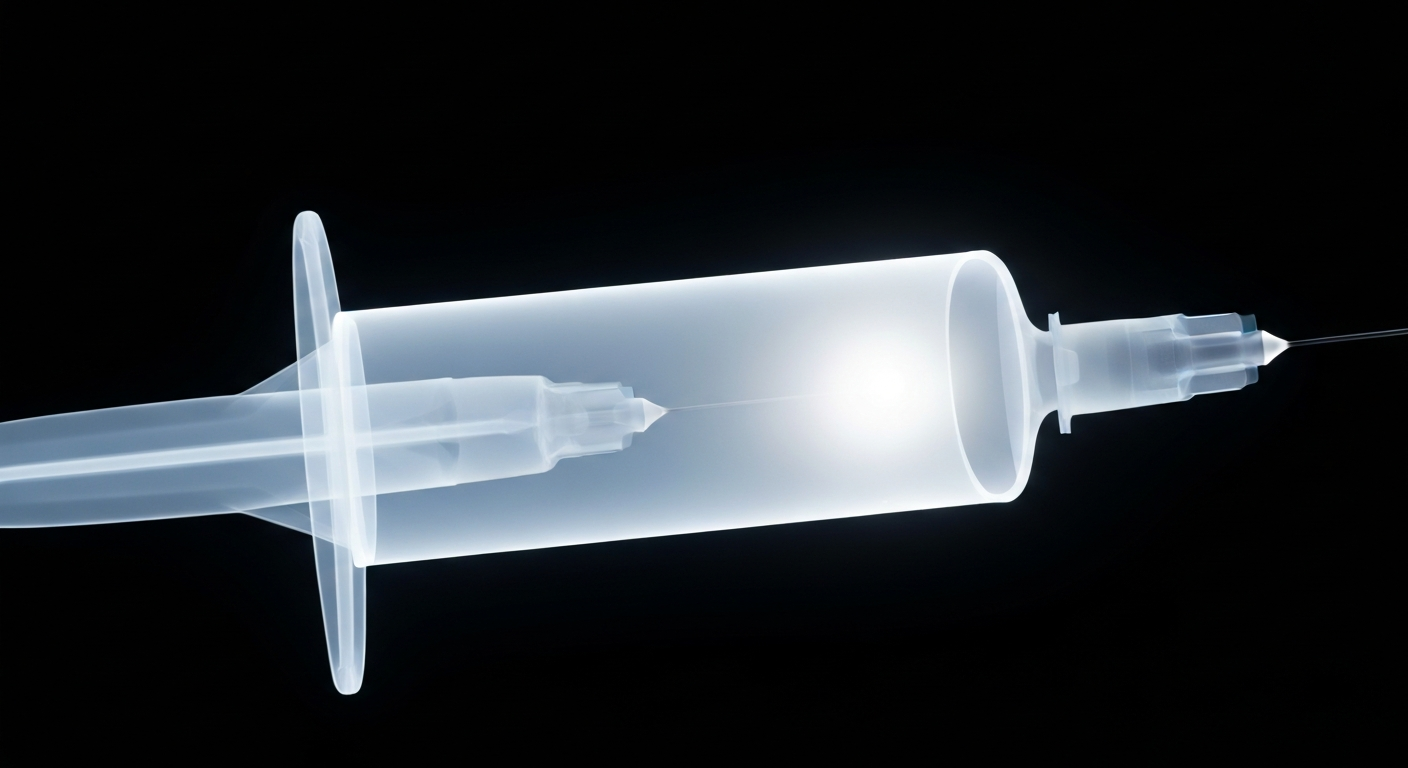 A new cost model finds that monthly injectable buprenorphine could help correctional facilities reduce staffing burdens and expand access to addiction treatment.Richmond Today
A new cost impact model published in The Journal of Current Medical Research and Opinion found that the use of extended-release buprenorphine, a monthly injectable medication commercially available as SUBLOCADE®, may reduce staff time and associated costs in jails and prisons compared to other medications for opioid use disorder (MOUD). The model estimated monthly staffing needs and costs for treating 100 incarcerated patients, finding that SUBLOCADE® required fewer staff hours than other MOUD options like methadone, oral buprenorphine, and extended-release naltrexone, translating to potential monthly cost savings ranging from $23 to $22,148.
Why it matters
Correctional facilities face ongoing staffing constraints as the need for MOUD continues to grow. These findings highlight how monthly injectable buprenorphine can reduce dosing burden and staff involvement, enabling facilities to operate more efficiently while expanding access to evidence-based addiction treatment.
The details
The model compared staff time requirements across four MOUD options including methadone, oral buprenorphine, extended-release buprenorphine, and extended-release naltrexone. Using national mean wages and administration time estimates, the model found that monthly buprenorphine injections required 318 fewer staff hours than methadone, 747 fewer hours than oral buprenorphine, 192 hours fewer than weekly extended-release buprenorphine, and six hours fewer than extended-release naltrexone. The reduced staff time translated to potential monthly cost savings ranging from $23 to $22,148, with the largest savings stemming from the elimination of daily observed dosing and patient escorts.
- The study findings were published on March 31, 2026.
The players
Indivior Pharmaceuticals, Inc.
A pharmaceutical company that is the leader in long-acting injectable treatments for opioid use disorder.
Christian Heidbreder, Ph.D.
The Chief Scientific Officer at Indivior.
Vanessa Procter
The Executive Vice President of Corporate Affairs at Indivior.
What they’re saying
“Correctional facilities face ongoing staffing constraints as the need for MOUD continues to grow. These findings highlight how monthly injectable buprenorphine can reduce dosing burden and staff involvement, enabling facilities to operate more efficiently while expanding access to evidence-based care.”
— Christian Heidbreder, Chief Scientific Officer, Indivior
“Investing in more efficient MOUD delivery models can drive meaningful cost savings. Nearly half of U.S. jails and prisons cite staffing as a primary barrier to providing MOUD. LAIs can help expand access to evidence-based care while reducing operational burden, advancing shared public policy goals of improving health outcomes.”
— Vanessa Procter, Executive Vice President of Corporate Affairs, Indivior
What’s next
The full study findings are available in The Journal of Current Medical Research and Opinion.
The takeaway
This study suggests that adopting more efficient medication delivery models like monthly injectable buprenorphine could help correctional facilities overcome staffing challenges and expand access to evidence-based addiction treatment, ultimately improving health outcomes for incarcerated individuals.