- Today
- Holidays
- Birthdays
- Reminders
- Cities
- Atlanta
- Austin
- Baltimore
- Berwyn
- Beverly Hills
- Birmingham
- Boston
- Brooklyn
- Buffalo
- Charlotte
- Chicago
- Cincinnati
- Cleveland
- Columbus
- Dallas
- Denver
- Detroit
- Fort Worth
- Houston
- Indianapolis
- Knoxville
- Las Vegas
- Los Angeles
- Louisville
- Madison
- Memphis
- Miami
- Milwaukee
- Minneapolis
- Nashville
- New Orleans
- New York
- Omaha
- Orlando
- Philadelphia
- Phoenix
- Pittsburgh
- Portland
- Raleigh
- Richmond
- Rutherford
- Sacramento
- Salt Lake City
- San Antonio
- San Diego
- San Francisco
- San Jose
- Seattle
- Tampa
- Tucson
- Washington
Immigrants Detained in Trump-Era Crackdown on Campus Activism Slowly Released
Several students and scholars arrested for pro-Palestinian activism have been freed on bond or had deportation blocked, but some cases remain unresolved.
Mar. 18, 2026 at 1:24am
Got story updates? Submit your updates here. ›
In the aftermath of a Trump-era immigration enforcement campaign that targeted immigrants involved in pro-Palestinian activism on U.S. college campuses, several of those detained have been released on bond or had deportation efforts blocked by judges. However, some cases remain unresolved as the immigrants continue fighting their immigration cases.
Why it matters
The crackdown on immigrant activists raised concerns about the targeting of free speech and political dissent, as well as the broader impacts of aggressive immigration enforcement policies. The gradual release of some detainees suggests the courts have pushed back against the government's actions, but the long-term status of these individuals remains uncertain.
The details
The last of the activists detained, Leqaa Kordia, was released on Monday after the government stopped fighting a judge's orders to free her on bond. Kordia, a 33-year-old Palestinian woman and U.S. citizen's daughter, had been in detention since her arrest in March 2025 during an immigration check-in. Federal officials cited her role in 'pro-Hamas protests,' though the charges were later dismissed. Other activists like Mahmoud Khalil, Badar Khan Suri, Rümeysa Öztürk, Yunseo Chung, Mohammed Hoque, and Mohsen Mahdawi have also been released on bond or had deportation efforts blocked, though some of their cases remain ongoing.
- Leqaa Kordia was released on Monday, March 17, 2026.
- Mahmoud Khalil spent 104 days in detention before being released in June 2025.
- Badar Khan Suri was arrested in March 2025 and released on bond in May 2025.
- Rümeysa Öztürk was released in May 2025, and a judge ruled in December 2025 that she could return to teaching and research.
- Yunseo Chung's legal fight to avoid deportation continues.
The players
Leqaa Kordia
A 33-year-old Palestinian woman and daughter of a U.S. citizen who was detained since her arrest in March 2025 during an immigration check-in, citing her role in 'pro-Hamas protests' though the charges were later dismissed.
Mahmoud Khalil
A Syrian-born legal U.S. resident, pro-Palestinian activist and former graduate student whose wife is a U.S. citizen. He was a prominent figure in protests at Columbia University in 2024 and spent 104 days in detention before being released in June 2025.
Badar Khan Suri
A Georgetown University scholar from India and husband of a U.S. citizen who was arrested outside his Virginia home in March 2025 and detained over his familial ties to Gaza and accusations of spreading Hamas propaganda, though he said he supported Palestinians but not Hamas.
Rümeysa Öztürk
A Tufts University doctoral student from Turkey who was detained as she left her suburban Boston home in March 2025. The State Department said her visa had been revoked for reasons including a student newspaper op-ed she co-authored criticizing the university's response to student activists.
Yunseo Chung
A Columbia University student born in South Korea who had legal permanent residency. Federal agents searched her dorm and family home after she was arrested at a March 2025 sit-in at Barnard College over the expulsion of students who participated in pro-Palestinian activism.
What they’re saying
“My support of Palestinian human rights isn't antisemitism, nor does it amount to support of Hamas, the Palestinian militant group that controls Gaza.”
— Mahmoud Khalil
“I was being improperly punished for speaking freely.”
— Rümeysa Öztürk, Tufts University doctoral student
What’s next
Mahmoud Khalil's case continues as the government seeks to deport him, and a federal appeals court in Richmond, Virginia heard arguments on Tuesday regarding his bond. Yunseo Chung's legal fight to avoid deportation also continues.
The takeaway
The gradual release of some of the detained immigrants on bond or the blocking of deportation efforts suggests the courts have pushed back against the government's aggressive targeting of activists. However, the long-term status of these individuals remains uncertain, raising ongoing concerns about the intersection of immigration enforcement, free speech, and political dissent.
Richmond top stories

Richmond events

Apr. 12, 2026
Christian Johnson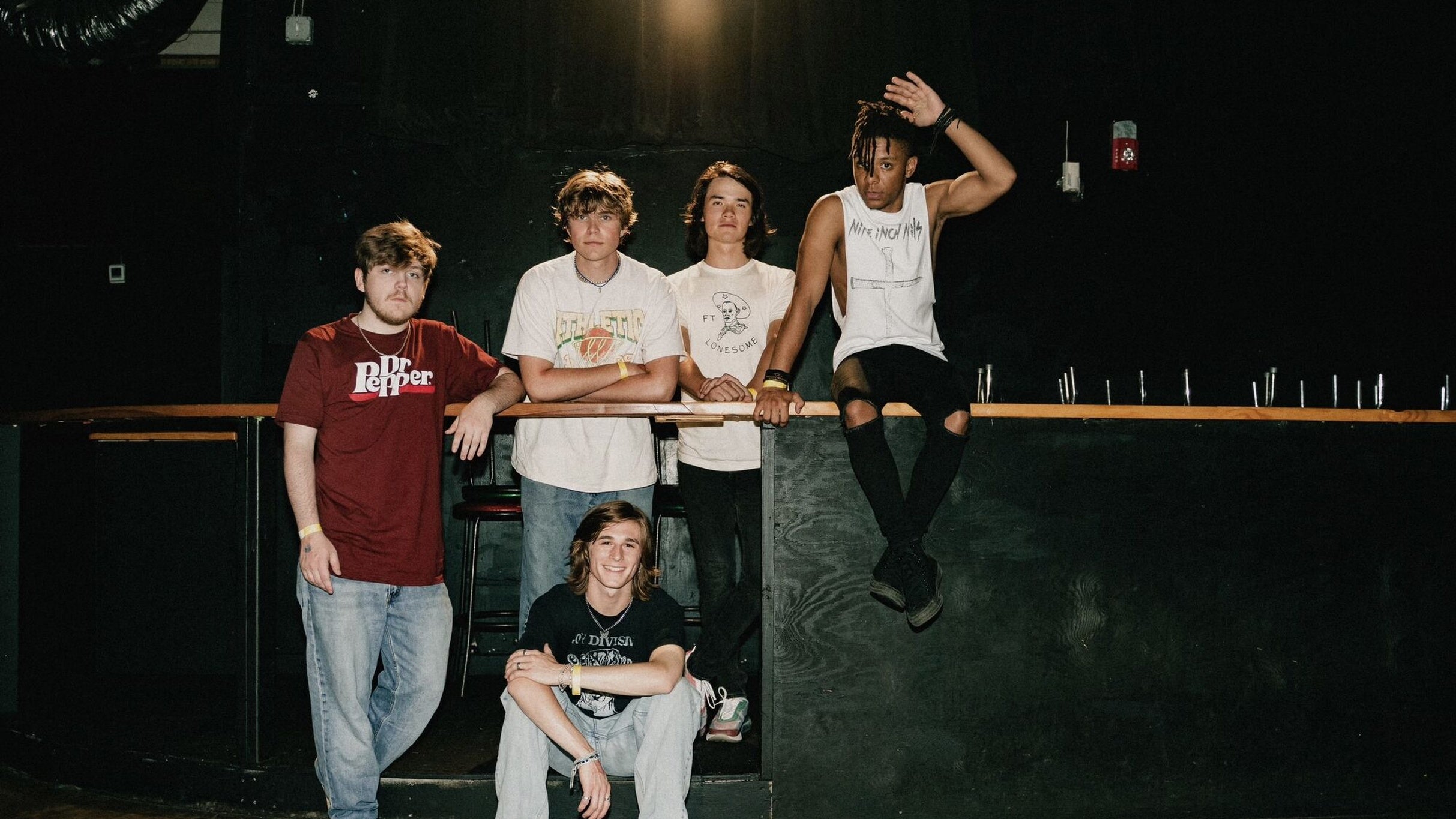
Apr. 14, 2026
The Runarounds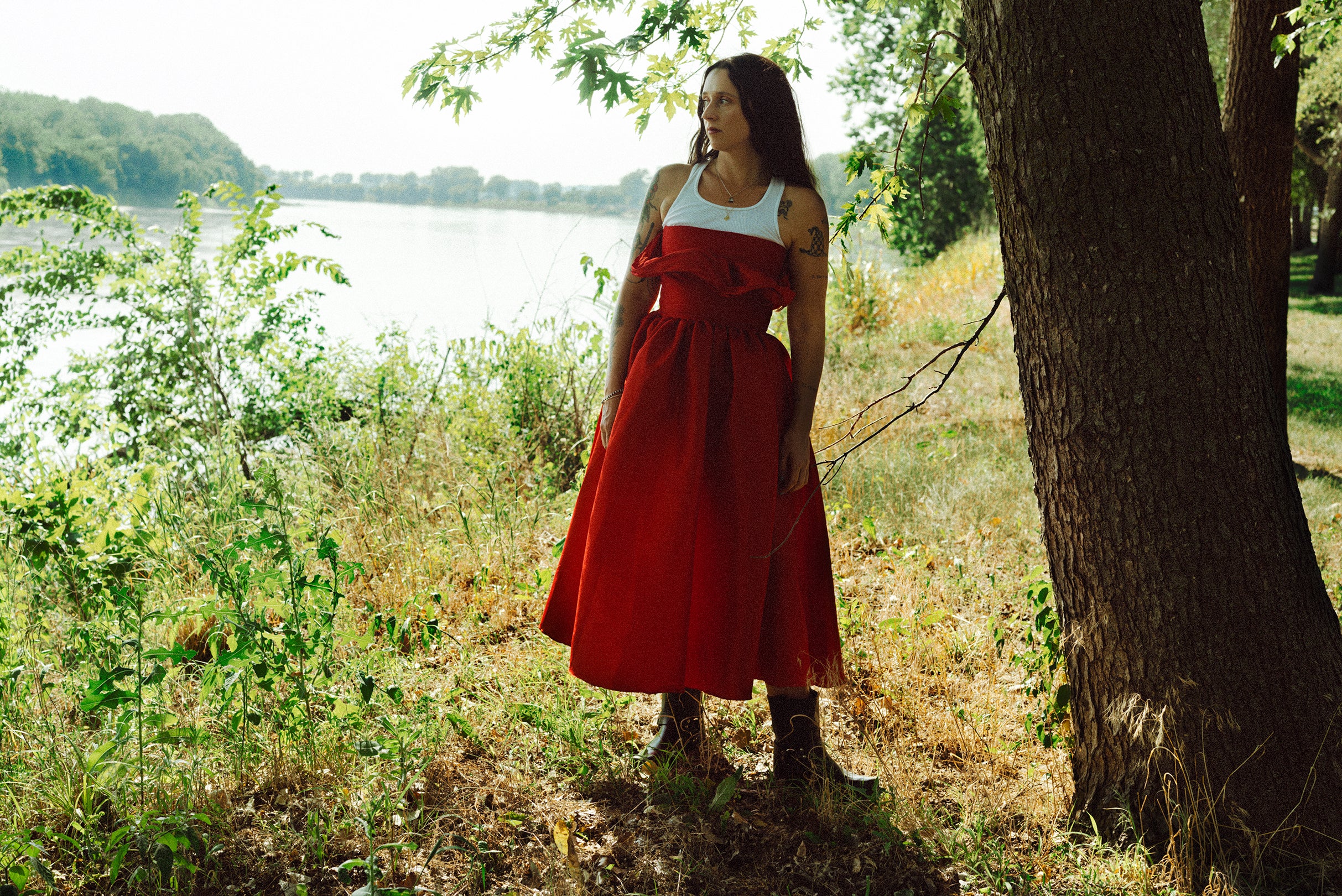
Apr. 15, 2026
Waxahatchee w/ MJ Lenderman