- Today
- Holidays
- Birthdays
- Reminders
- Cities
- Atlanta
- Austin
- Baltimore
- Berwyn
- Beverly Hills
- Birmingham
- Boston
- Brooklyn
- Buffalo
- Charlotte
- Chicago
- Cincinnati
- Cleveland
- Columbus
- Dallas
- Denver
- Detroit
- Fort Worth
- Houston
- Indianapolis
- Knoxville
- Las Vegas
- Los Angeles
- Louisville
- Madison
- Memphis
- Miami
- Milwaukee
- Minneapolis
- Nashville
- New Orleans
- New York
- Omaha
- Orlando
- Philadelphia
- Phoenix
- Pittsburgh
- Portland
- Raleigh
- Richmond
- Rutherford
- Sacramento
- Salt Lake City
- San Antonio
- San Diego
- San Francisco
- San Jose
- Seattle
- Tampa
- Tucson
- Washington
Popular Hair Products for Black Women Contain Toxic Formaldehyde
Decades-long use of chemical hair straighteners linked to health issues like cancer and hair loss
Published on Feb. 17, 2026
Got story updates? Submit your updates here. ›
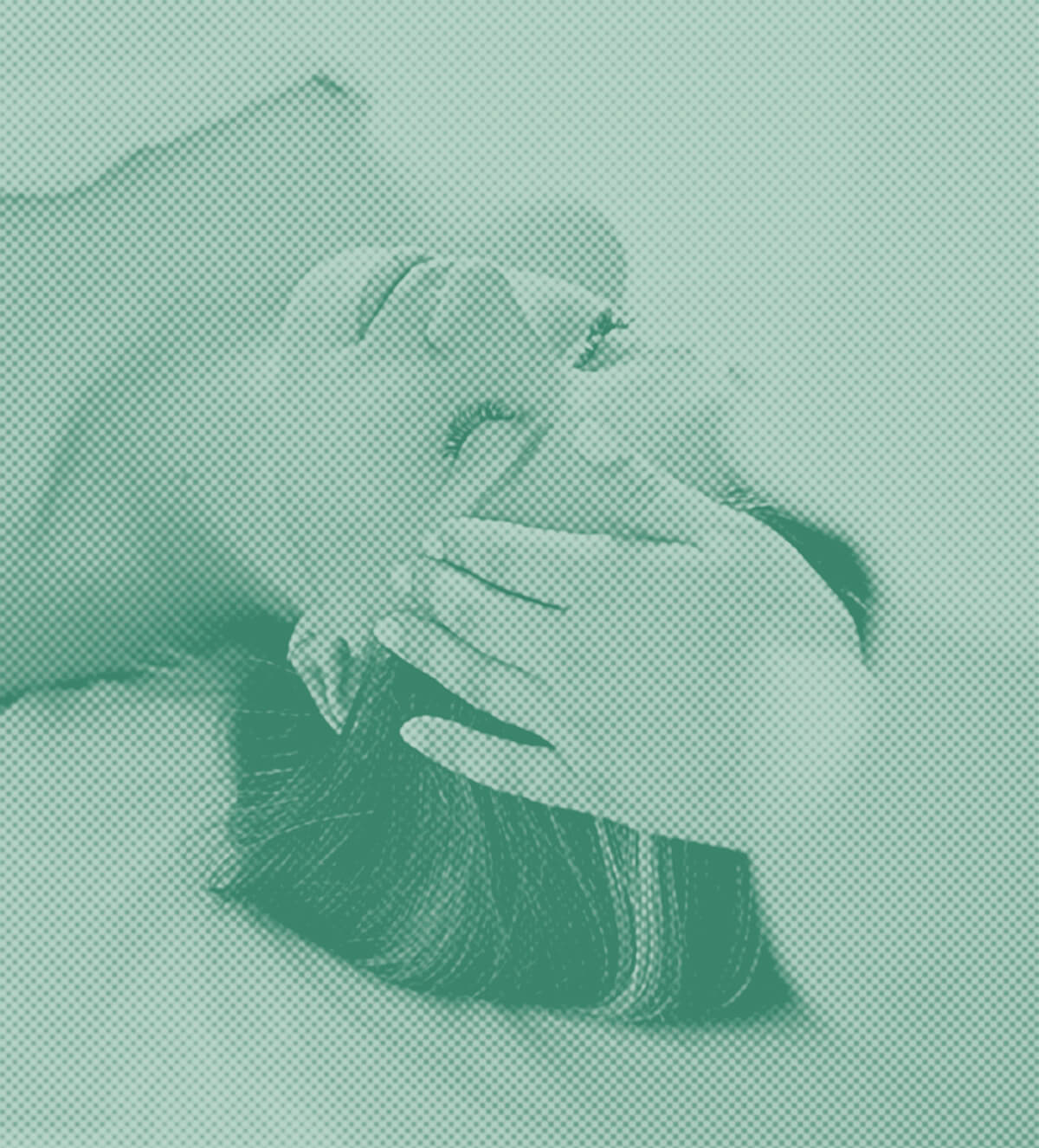
A new investigation has found that many popular hair relaxer and straightening products marketed to Black women contain formaldehyde, a toxic chemical linked to cancer and other serious health problems. The report details decades of consumer complaints about scalp burns, hair loss, and other issues from using these products, as well as a lack of action by the FDA to ban formaldehyde in cosmetics despite calls from advocacy groups.
Why it matters
The use of harsh chemical hair treatments has long been a fraught issue in the Black community, as many women have felt pressured to conform to Eurocentric beauty standards. This investigation sheds light on the potential health risks associated with these products, which disproportionately impact African American women. It also highlights the need for stronger regulation and consumer protections around the cosmetics industry.
The details
The investigation found hundreds of consumer complaints to the FDA since 2004 about issues like bald spots, hair loss, blisters, and chemical burns from using hair relaxers and straightening treatments. Many of these products contain formaldehyde, a known carcinogen, which can release toxic fumes when heated. Despite calls from advocacy groups to ban formaldehyde in cosmetics, the FDA has yet to take action, missing several deadlines to propose new regulations.
- In 2011, the Environmental Working Group filed its first citizen petition with the FDA asking to ban formaldehyde in hair products.
- In 2021, the EWG filed a second petition with the FDA renewing its call to ban formaldehyde in hair products.
- Since 2024, the InvestigateTV team has repeatedly reached out to the FDA for comment on the issue.
The players
Sadie Johnson
A 68-year-old Virginia resident who endured decades of painful chemical hair treatments starting in sixth grade, including scalp burns and sores.
Melanie Benesh
Vice president of government affairs for the Environmental Working Group, a nonprofit advocacy organization that has pushed the FDA to ban formaldehyde in cosmetics for over a decade.
Benjamin Crump
A civil rights attorney who has represented women in class action lawsuits against companies that use formaldehyde in their chemical hair straightening products.
L'Oréal
A major cosmetics company that says it does not add formaldehyde as an ingredient in any of its products worldwide.
FDA
The U.S. Food and Drug Administration, which has missed several deadlines to propose a ban on formaldehyde in hair products despite calls from advocacy groups.
What they’re saying
“Formaldehyde is one of the active ingredients that makes that product work, and that makes your hair so shiny and slick and straight and stay that way for months at a time.”
— Melanie Benesh, Vice President of Government Affairs, Environmental Working Group
“These European standards of beauty that are injected on women of color, where they feel the need to try and get these hair relaxers to fit into corporate America, is detrimental to our health. They're so prevalent that they even sell them at gas stations. We want the FDA to act.”
— Benjamin Crump, Civil Rights Attorney
What’s next
The FDA says its proposed rule on the use of formaldehyde and formaldehyde-releasing chemicals in hair products remains a priority, but the agency may adjust publication dates due to factors like administration priorities and emerging public health issues.
The takeaway
This investigation highlights the long-standing and harmful impact of Eurocentric beauty standards on the Black community, as well as the lack of regulation and consumer protections around potentially toxic ingredients in cosmetics. It underscores the urgent need for the FDA to take action and ban formaldehyde in hair products to protect public health.
Richmond top stories


Richmond events

Feb. 19, 2026
Black Violin