- Today
- Holidays
- Birthdays
- Reminders
- Cities
- Atlanta
- Austin
- Baltimore
- Berwyn
- Beverly Hills
- Birmingham
- Boston
- Brooklyn
- Buffalo
- Charlotte
- Chicago
- Cincinnati
- Cleveland
- Columbus
- Dallas
- Denver
- Detroit
- Fort Worth
- Houston
- Indianapolis
- Knoxville
- Las Vegas
- Los Angeles
- Louisville
- Madison
- Memphis
- Miami
- Milwaukee
- Minneapolis
- Nashville
- New Orleans
- New York
- Omaha
- Orlando
- Philadelphia
- Phoenix
- Pittsburgh
- Portland
- Raleigh
- Richmond
- Rutherford
- Sacramento
- Salt Lake City
- San Antonio
- San Diego
- San Francisco
- San Jose
- Seattle
- Tampa
- Tucson
- Washington
Steve McMichael's Legacy: The Impact of CTE on NFL Players
The Silent Epidemic: Unanswered Questions About the Link Between CTE and ALS
Apr. 13, 2026 at 6:20am
Got story updates? Submit your updates here. ›
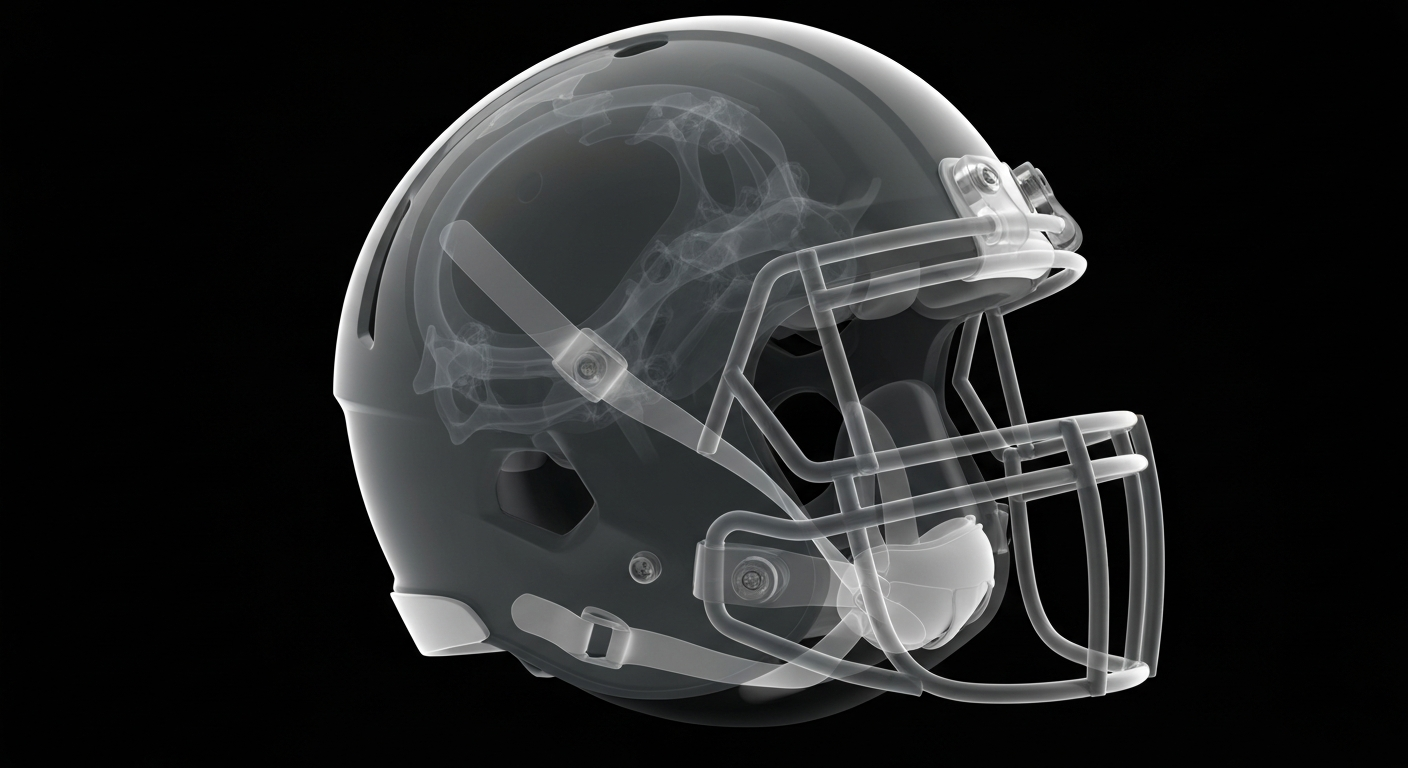 The haunting X-ray image of a football helmet reveals the unseen toll of the sport, as the NFL grapples with the long-term impact of head injuries on its players.Norfolk Today
The news of former NFL player Steve McMichael's stage 3 CTE diagnosis has reignited the conversation around the long-term effects of head injuries in professional football. His wife's decision to donate his brain for research aims to shed light on the connection between CTE and ALS, raising moral questions about the sport's safety and the NFL's efforts to protect its players.
Why it matters
McMichael's case is part of a growing list of NFL greats whose brains have revealed the silent suffering caused by chronic traumatic encephalopathy (CTE). This issue goes beyond just football - it's about how we value human life over entertainment and whether the game as we know it is sustainable.
The details
The NFL's acknowledgment of concussion risks and rule changes to reduce brain injuries were necessary steps, but many feel they are just bandaids on a bullet wound. Subconcussive hits, which don't register as concussions, are just as dangerous over time. Linemen still collide helmet-to-helmet on nearly every play, suggesting the core mechanics of the game haven't fundamentally changed.
- In April 2025, Steve McMichael passed away at the age of 67.
- A 2021 Harvard-Boston University study revealed that NFL players are four times more likely to develop ALS than the general male population.
The players
Steve McMichael
A Hall of Fame defensive tackle who passed away in 2025 at the age of 67 and was diagnosed with stage 3 CTE.
Misty McMichael
Steve McMichael's wife, who donated his brain for research to honor his memory and ignite a conversation about the link between CTE and ALS.
What’s next
The development of a reliable CTE test for living patients could be a watershed moment that forces the NFL to fundamentally rethink the game and prioritize player safety over tradition.
The takeaway
Steve McMichael's diagnosis is a tragic reminder that the NFL's efforts to protect players are more about liability than humanity. This issue raises deeper moral questions about the sustainability of football as we know it and whether a cultural shift towards prioritizing player health is necessary.
Norfolk top stories



Norfolk events

Apr. 14, 2026
Juvenile
Apr. 15, 2026
The Black Dahlia Murder w/ The Acacia Strain
Apr. 16, 2026
Virginia International Tattoo