- Today
- Holidays
- Birthdays
- Reminders
- Cities
- Atlanta
- Austin
- Baltimore
- Berwyn
- Beverly Hills
- Birmingham
- Boston
- Brooklyn
- Buffalo
- Charlotte
- Chicago
- Cincinnati
- Cleveland
- Columbus
- Dallas
- Denver
- Detroit
- Fort Worth
- Houston
- Indianapolis
- Knoxville
- Las Vegas
- Los Angeles
- Louisville
- Madison
- Memphis
- Miami
- Milwaukee
- Minneapolis
- Nashville
- New Orleans
- New York
- Omaha
- Orlando
- Philadelphia
- Phoenix
- Pittsburgh
- Portland
- Raleigh
- Richmond
- Rutherford
- Sacramento
- Salt Lake City
- San Antonio
- San Diego
- San Francisco
- San Jose
- Seattle
- Tampa
- Tucson
- Washington
Martinsville Today
By the People, for the People
Denny Hamlin Praises Gustafson's Martinsville Call, But Remains Cautious
Hamlin acknowledges the risk and reward of Elliott crew chief's bold strategy that led to victory.
Mar. 31, 2026 at 2:18pm
Got story updates? Submit your updates here. ›
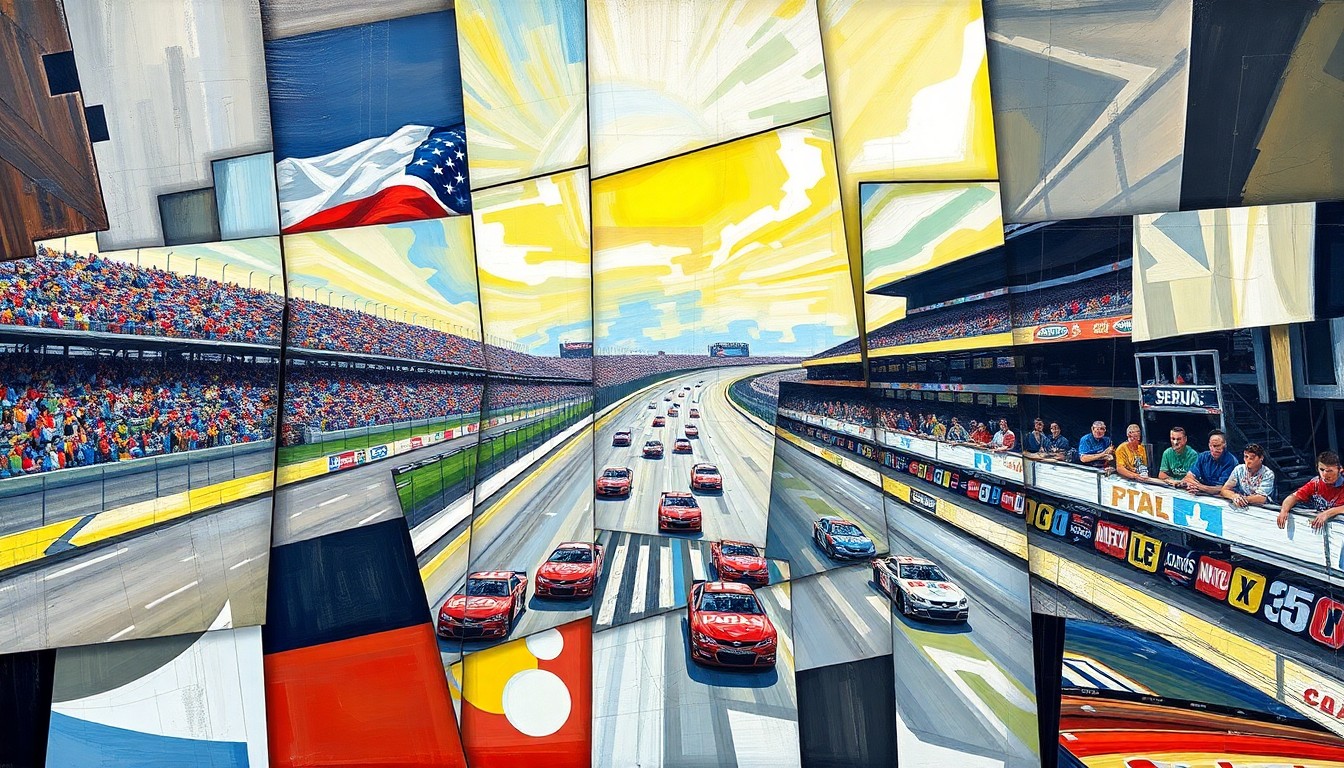 Gustafson's daring strategy call proved pivotal in Elliott's late-race surge to victory at Martinsville.Martinsville Today
Denny Hamlin offered a measured response when asked whether Chase Elliott's crew chief, Alan Gustafson, deserved praise for the bold strategy call that ultimately led to Elliott's win at Martinsville Speedway. Hamlin recognized that the call was risky but acknowledged that it paid off, allowing Elliott to get around Hamlin late and secure the victory.
Why it matters
Gustafson's call to pit Elliott early and commit to a two-stop strategy was a high-risk, high-reward move that flipped the narrative around Hendrick Motorsports, which had yet to win a race in the 2026 season. The outcome of the call has sparked a conversation around the balance between conventional and aggressive strategies in NASCAR.
The details
With Elliott running in ninth deep into Stage 3, Gustafson made the decision to bring him to pit road on Lap 261, well before the leaders. This temporarily handed Elliott the lead, but also left him vulnerable once the field cycled through. Hamlin, who had controlled the race, reclaimed the top spot on fresher tires. However, a timely caution for debris erased the gap and reset the field, allowing Elliott to restart near the front and ultimately get around Hamlin in the closing laps to secure the win.
- On Lap 261, Gustafson brought Elliott to pit road, committing to a two-stop strategy.
- A caution for debris came out, erasing Hamlin's lead and resetting the field.
The players
Denny Hamlin
A NASCAR driver who was leading the race at Martinsville Speedway before Elliott's late-race pass.
Alan Gustafson
Chase Elliott's crew chief, who made the bold call to pit Elliott early and commit to a two-stop strategy.
Chase Elliott
The driver of the No. 9 car, who ultimately won the race at Martinsville Speedway after Gustafson's strategy call.
Rick Hendrick
The owner of Hendrick Motorsports, who called Gustafson before the race, adding a sense of urgency to the team's performance.
What they’re saying
“Sure. It worked out. It likely was going to equal a worse finish, I believe, had it all shake once it all shook out in the wash, because he was going to have to pit an extra time, more than everyone else. If y'all don't know, you go laps down. So, it worked out. Third and 15 is right. Running go routes, and they caught it.”
— Denny Hamlin, NASCAR Driver
“Super happy that it paid off. We were just kind of trapped in like 10th spot. … It's really hard to pass, and we just needed to do something different.”
— Alan Gustafson, Chase Elliott's Crew Chief
“When the boss calls you, it gets your attention.”
— Alan Gustafson, Chase Elliott's Crew Chief
What’s next
The outcome of the race and Gustafson's strategy call will likely be a topic of discussion in the NASCAR community, as teams and drivers evaluate the balance between conventional and aggressive strategies.
The takeaway
Gustafson's bold call to pit Elliott early and commit to a two-stop strategy at Martinsville Speedway paid off, allowing Elliott to get around Hamlin late and secure the victory. While Hamlin acknowledged the risk of the call, he also recognized that it ultimately worked out, highlighting the delicate balance between conventional and aggressive strategies in NASCAR.