- Today
- Holidays
- Birthdays
- Reminders
- Cities
- Atlanta
- Austin
- Baltimore
- Berwyn
- Beverly Hills
- Birmingham
- Boston
- Brooklyn
- Buffalo
- Charlotte
- Chicago
- Cincinnati
- Cleveland
- Columbus
- Dallas
- Denver
- Detroit
- Fort Worth
- Houston
- Indianapolis
- Knoxville
- Las Vegas
- Los Angeles
- Louisville
- Madison
- Memphis
- Miami
- Milwaukee
- Minneapolis
- Nashville
- New Orleans
- New York
- Omaha
- Orlando
- Philadelphia
- Phoenix
- Pittsburgh
- Portland
- Raleigh
- Richmond
- Rutherford
- Sacramento
- Salt Lake City
- San Antonio
- San Diego
- San Francisco
- San Jose
- Seattle
- Tampa
- Tucson
- Washington
Harrisonburg Today
By the People, for the People
Historic Green Book Home in Harrisonburg Preserved as Learning Site
The Ida Mae Francis Tourist Home, once a safe haven for Black travelers, is now a place to educate future generations about segregation history.
Apr. 3, 2026 at 11:53am
Got story updates? Submit your updates here. ›
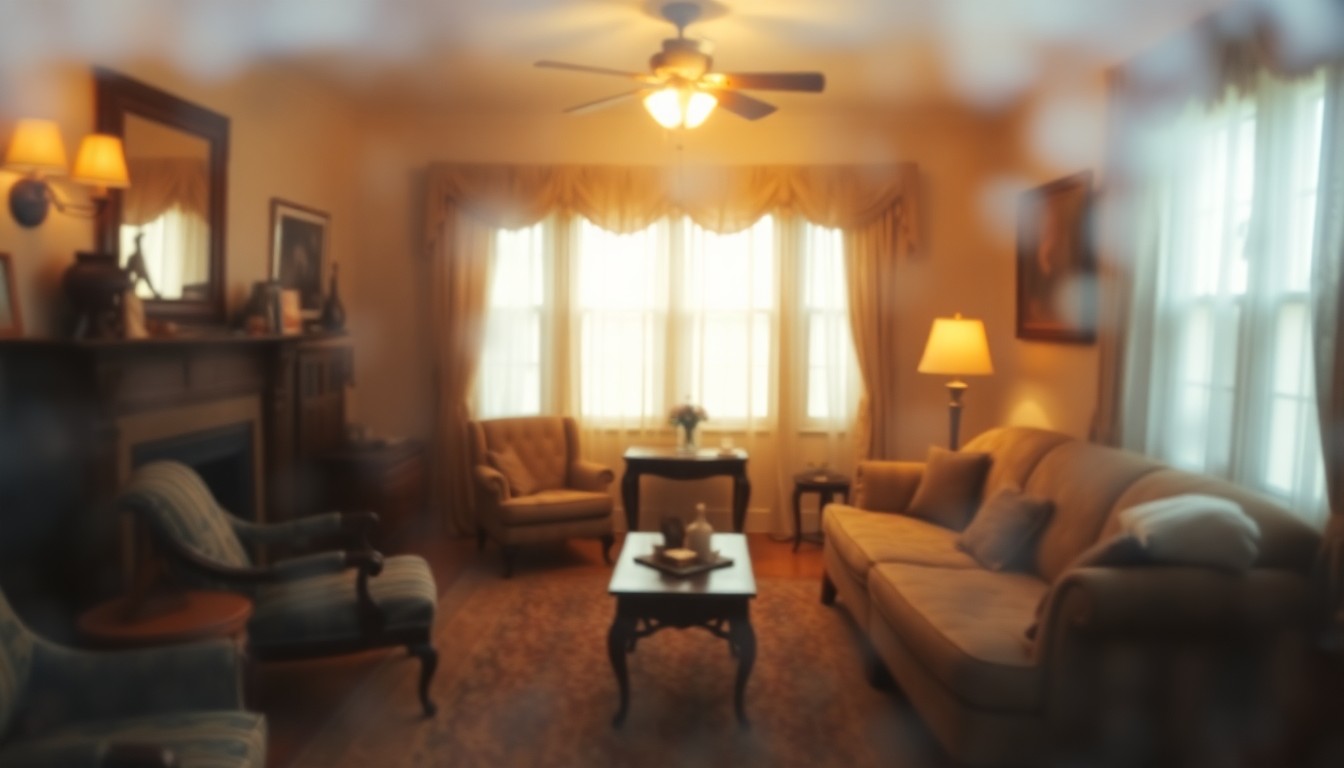 The preserved Ida Mae Francis Tourist Home stands as a poignant reminder of the challenges faced by Black travelers during segregation, now serving as an educational site to share this important history.Harrisonburg Today
A historic home in Harrisonburg, Virginia that once served as a safe haven for Black travelers during segregation is now being preserved to educate future generations. The Ida Mae Francis Tourist Home was a listed site in the Negro Motorist Green Book and has been added to the National Register of Historic Places. Harrisonburg Mayor Deanna Reed's father inherited the home, and the city is working to ensure the home remains a place for education and reflection on this important part of history.
Why it matters
The preservation of the Ida Mae Francis Tourist Home is significant as it represents an important piece of African American history during the Jim Crow era. The home provided a safe place for Black travelers when segregation prevented them from staying in the same hotels and eating in the same restaurants as white people. Maintaining this historic site ensures that this history is not forgotten and can be shared with future generations.
The details
The Ida Mae Francis Tourist Home, located in Harrisonburg's Northeast Neighborhood, was a boarding house operated by Ida Mae Francis after she was widowed in 1912. The home was listed in the Negro Motorist Green Book from 1954 to 1962, indicating it was a safe place for Black travelers during segregation. Notable visitors included scientist George Washington Carver and musicians associated with Duke Ellington and Cab Calloway. The home has survived urban renewal efforts that reshaped much of the surrounding neighborhood, which was once the center of Harrisonburg's Black community.
- The Ida Mae Francis Tourist Home was added to the National Register of Historic Places in 2024.
- The home was listed in the Negro Motorist Green Book from 1954 to 1962.
The players
Ida Mae Francis
The original owner of the tourist home, which she operated as a boarding house after being widowed in 1912.
Deanna Reed
The current mayor of Harrisonburg, whose father inherited the home from Ida Mae Francis's grandchildren.
Monica Robinson
A representative from the Shenandoah Valley Black Heritage Project, who discussed the historical significance of the Northeast Neighborhood where the home is located.
What they’re saying
“This is a historic Green Book house, which, if you know the history of the Green Book, during segregation, Black people could not eat in [the same] restaurants as white people. They could not stay in [the same] hotels as white people.”
— Deanna Reed, Mayor of Harrisonburg
“She was a boss. She was an entrepreneur. This house became her business.”
— Deanna Reed, Mayor of Harrisonburg
“The Northeast Neighborhood is the historic Black area of town of Harrisonburg city. African Americans positively affected the economic growth, the development and the social fabric of what Harrisonburg city is today”
— Monica Robinson, Shenandoah Valley Black Heritage Project
What’s next
The nonprofit organization established to support the preservation and education efforts at the Ida Mae Francis Tourist Home plans to continue working to share the home's history with visitors, especially students.
The takeaway
The preservation of the Ida Mae Francis Tourist Home, a historic site listed in the Negro Motorist Green Book, ensures that an important piece of African American history during the Jim Crow era is not forgotten. By turning the home into an educational site, future generations will be able to learn about the challenges Black travelers faced and the resilience of the local Black community in Harrisonburg.