- Today
- Holidays
- Birthdays
- Reminders
- Cities
- Atlanta
- Austin
- Baltimore
- Berwyn
- Beverly Hills
- Birmingham
- Boston
- Brooklyn
- Buffalo
- Charlotte
- Chicago
- Cincinnati
- Cleveland
- Columbus
- Dallas
- Denver
- Detroit
- Fort Worth
- Houston
- Indianapolis
- Knoxville
- Las Vegas
- Los Angeles
- Louisville
- Madison
- Memphis
- Miami
- Milwaukee
- Minneapolis
- Nashville
- New Orleans
- New York
- Omaha
- Orlando
- Philadelphia
- Phoenix
- Pittsburgh
- Portland
- Raleigh
- Richmond
- Rutherford
- Sacramento
- Salt Lake City
- San Antonio
- San Diego
- San Francisco
- San Jose
- Seattle
- Tampa
- Tucson
- Washington
Boost Health with Short Bursts of Movement, Expert Advises
Virginia Tech professor shares 'minimum effective movement' strategy for busy people
Apr. 11, 2026 at 9:52pm
Got story updates? Submit your updates here. ›
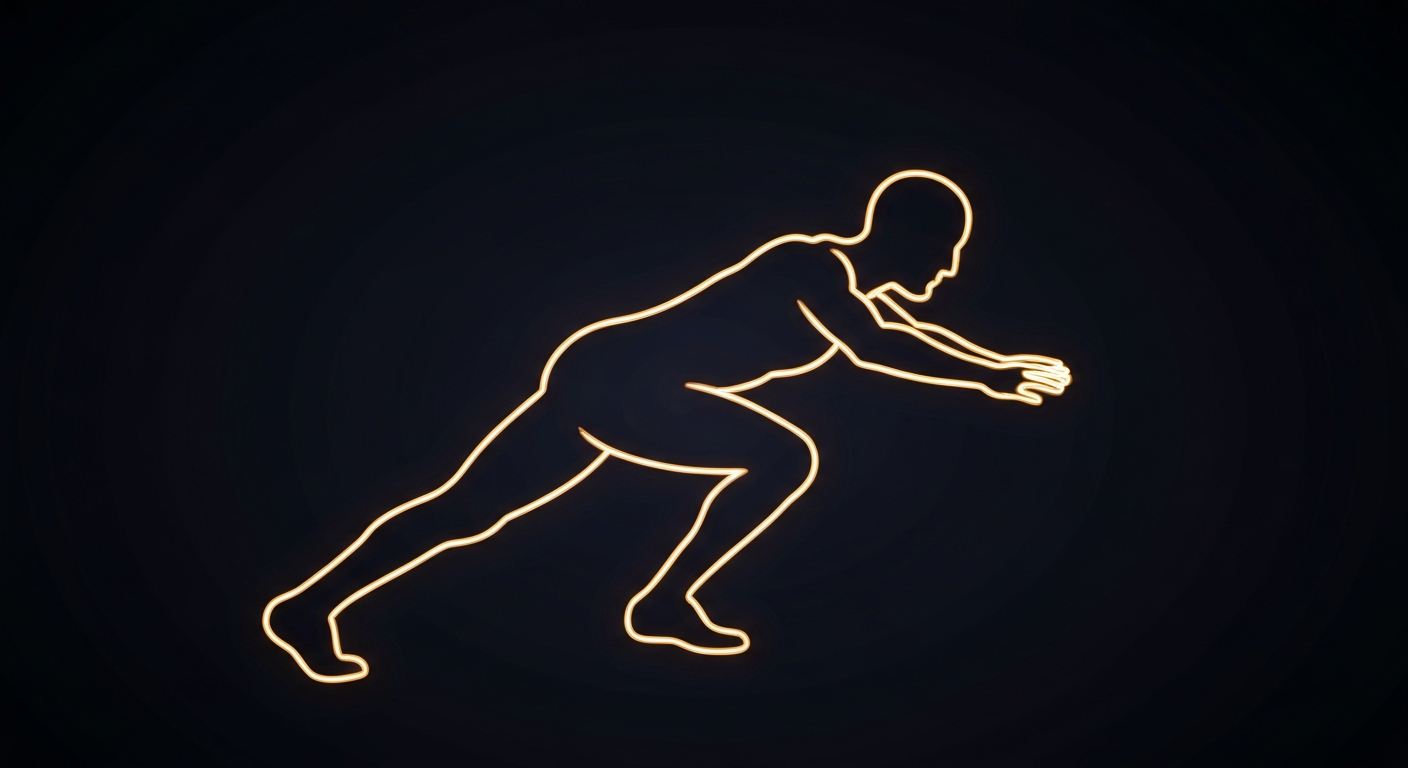 Vibrant neon outlines of simple exercises illustrate how short bursts of movement can unlock significant health benefits.Blacksburg Today
In today's fast-paced world, finding time for exercise can be a challenge. But Stella Volpe, an expert in human nutrition and exercise, reveals a simple yet effective strategy called 'minimum effective movement' - the bare minimum of physical activity needed to improve fitness and health. Research shows that even short, intense bursts of activity can have significant benefits, and Volpe encourages everyone to start small and consistent with activities like taking the stairs or doing squats while waiting.
Why it matters
The 'minimum effective movement' approach offers a fresh, accessible perspective on health and fitness, especially for beginners, older adults, those recovering from injuries, and individuals with busy schedules who struggle to fit in traditional workouts. It shows that small bursts of activity throughout the day can add up and make a real difference.
The details
Volpe explains that the 'minimum effective movement' concept is different from traditional exercise guidelines, which often focus on long-term health and sustained activity. Instead, it's about finding the least amount of movement required to see results. Research shows that 'exercise snacks' - brief moments of intense activity - can improve cardiovascular fitness, muscle strength, and metabolic health. Volpe suggests paying attention to how you feel during these activities, aiming for a challenging but not overwhelming level of exertion.
- The article was published on April 11, 2026.
The players
Stella Volpe
A renowned professor and researcher at Virginia Tech, specializing in obesity and diabetes prevention, functional foods, and athletic performance. Her expertise extends to clinical exercise physiology and nutrition.
What they’re saying
“The concept of 'minimum effective movement' is like a secret weapon for those seeking health benefits without the commitment of traditional workouts.”
— Stella Volpe, Professor, Virginia Tech
“Traditional exercise guidelines often focus on long-term health and sustained activity. But the minimum effective movement approach is different. It's about finding the least amount of movement required to see results.”
— Stella Volpe, Professor, Virginia Tech
“These brief moments of movement add up and can improve cardiovascular fitness, muscle strength, and metabolic health.”
— Stella Volpe, Professor, Virginia Tech
What’s next
Volpe encourages everyone to start small and consistent with their minimum effective movement, such as taking the stairs instead of the elevator or doing squats while waiting. She says that over time, people will notice improvements as the same activities become easier.
The takeaway
The 'minimum effective movement' approach offers a simple and accessible way for busy people to improve their health and fitness, even with limited time. By incorporating short bursts of activity throughout the day, individuals can see significant benefits without the commitment of traditional workouts.