- Today
- Holidays
- Birthdays
- Reminders
- Cities
- Atlanta
- Austin
- Baltimore
- Berwyn
- Beverly Hills
- Birmingham
- Boston
- Brooklyn
- Buffalo
- Charlotte
- Chicago
- Cincinnati
- Cleveland
- Columbus
- Dallas
- Denver
- Detroit
- Fort Worth
- Houston
- Indianapolis
- Knoxville
- Las Vegas
- Los Angeles
- Louisville
- Madison
- Memphis
- Miami
- Milwaukee
- Minneapolis
- Nashville
- New Orleans
- New York
- Omaha
- Orlando
- Philadelphia
- Phoenix
- Pittsburgh
- Portland
- Raleigh
- Richmond
- Rutherford
- Sacramento
- Salt Lake City
- San Antonio
- San Diego
- San Francisco
- San Jose
- Seattle
- Tampa
- Tucson
- Washington
Astronomy's Future Hangs in the Balance at AAAC Meeting
Key decisions on space exploration and research funding to be made at hybrid gathering in Alexandria, VA
Apr. 11, 2026 at 8:38am
Got story updates? Submit your updates here. ›
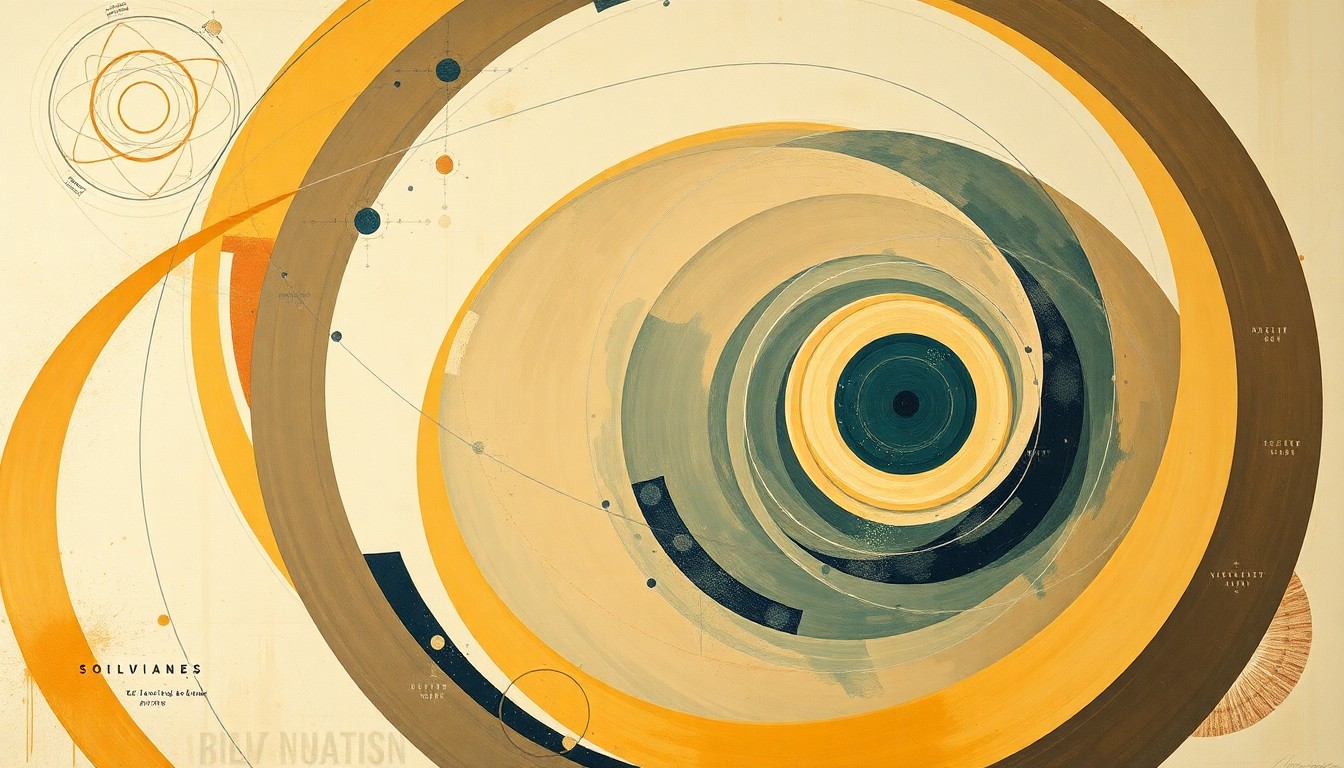 As the AAAC convenes to chart the future of astronomy, their decisions will shape the cosmic discoveries to come.Alexandria Today
The Interagency Astronomy and Astrophysics Advisory Committee (AAAC), a collaborative effort between the National Science Foundation (NSF), NASA, and the U.S. Department of Energy (DOE), is set to convene a pivotal hybrid meeting on January 29-30, 2026 in Alexandria, Virginia. The in-person gathering at The Westin Alexandria and virtual Zoom attendance will bring together experts to shape the future direction of astronomy and astrophysics research across these powerful agencies.
Why it matters
The AAAC plays a critical role in determining which astronomy and astrophysics projects receive funding, which technologies are prioritized, and how the cosmos is explored. Their decisions can have a major impact on the field, sparking debates over limited resources and competing priorities that will ultimately shape the future of space science.
The details
The AAAC meeting, open to the public, will run from 9:30 a.m. to 5:30 p.m. Eastern Time and offer a rare opportunity for the public to witness the inner workings of this interagency collaboration. The committee's primary purpose is to advise NSF, NASA, and DOE on shared challenges and opportunities in astronomy and astrophysics, tackling everything from exoplanet research to the mysteries of dark matter.
- The AAAC meeting will take place on January 29-30, 2026.
- The in-person gathering will be held at The Westin Alexandria in Alexandria, Virginia.
- Virtual attendees can join the meeting via Zoom.
The players
National Science Foundation (NSF)
A U.S. government agency that supports fundamental research and education in all the non-medical fields of science and engineering.
NASA
The National Aeronautics and Space Administration, an independent agency of the executive branch of the United States federal government responsible for the civilian space program, as well as aeronautics and space research.
U.S. Department of Energy (DOE)
A cabinet-level department of the United States Government concerned with policies regarding energy and safety in handling nuclear material.
Dr. Louise Edwards
Program Director at NSF's Division of Astronomical Sciences, serving as the go-to contact for inquiries about the AAAC meeting.
What they’re saying
“The AAAC plays a critical role in shaping policies and recommendations that influence the direction of astronomy and astrophysics research across these powerhouse agencies.”
— Dr. Louise Edwards, Program Director, NSF Division of Astronomical Sciences
What’s next
The AAAC will make key decisions at the meeting that will determine the future funding and priorities for astronomy and astrophysics research across the NSF, NASA, and DOE.
The takeaway
The AAAC meeting represents a pivotal moment for the future of space exploration and discovery, as experts from leading agencies come together to chart the course for the next generation of astronomy and astrophysics research. The public has a rare opportunity to witness these high-stakes discussions that will shape the cosmos.
Alexandria top stories


Alexandria events
Apr. 11, 2026
Speidel, Goodrich, Goggin & Lille
Apr. 12, 2026
Mike Doughty - Solo Tour '26
Apr. 14, 2026
TOAST - The Best of Bread