- Today
- Holidays
- Birthdays
- Reminders
- Cities
- Atlanta
- Austin
- Baltimore
- Berwyn
- Beverly Hills
- Birmingham
- Boston
- Brooklyn
- Buffalo
- Charlotte
- Chicago
- Cincinnati
- Cleveland
- Columbus
- Dallas
- Denver
- Detroit
- Fort Worth
- Houston
- Indianapolis
- Knoxville
- Las Vegas
- Los Angeles
- Louisville
- Madison
- Memphis
- Miami
- Milwaukee
- Minneapolis
- Nashville
- New Orleans
- New York
- Omaha
- Orlando
- Philadelphia
- Phoenix
- Pittsburgh
- Portland
- Raleigh
- Richmond
- Rutherford
- Sacramento
- Salt Lake City
- San Antonio
- San Diego
- San Francisco
- San Jose
- Seattle
- Tampa
- Tucson
- Washington
FBI's Top China Informant: The Katrina Leung Spy Scandal
The Lingering Shadows of 'Parlor Maid': How Espionage Tactics are Evolving
Published on Feb. 28, 2026
Got story updates? Submit your updates here. ›
The case of Katrina Leung, the FBI informant who allegedly became a double agent for China, remains a chilling example of counterintelligence failures. Leung, operating under the code name 'Parlor Maid,' compromised decades of FBI intelligence gathering. Her recruitment illustrates a growing trend of targeting individuals with access rather than overt allegiance, making detection harder. The most damaging aspect was Leung's long-term relationship with her FBI handler, James J. Smith, which created a blind spot and allowed her to manipulate information flow. The case also highlights the vulnerability created when personal relationships blur professional duty, and how adversaries can exploit trust within an organization.
Why it matters
The Leung case underscores the evolving tactics of espionage, where adversaries increasingly target individuals with access rather than overt allegiance. It reveals how the exploitation of personal relationships and trust can compromise counterintelligence efforts, and the challenges of balancing justice and national security when sensitive information is at risk of exposure.
The details
Leung was initially identified through connections to individuals involved in technology transfer, operating within a known network. This 'soft target' recruitment approach makes detection significantly harder, as it focuses on access rather than overt allegiance. The 'nest of spies' apartment building she inhabited demonstrates how adversaries exploit environments where access to sensitive information is common. Leung's long-term relationship with her FBI handler, James J. Smith, created a blind spot, allowing her to manipulate the flow of information and potentially influence investigative priorities. The additional affair with another agent, William Cleveland, further underscores the potential for compromised judgment. The attempted move to Alexandria, Virginia, for Leung's trial, and the judge's refusal to invoke the Classified Information Procedures Act, reveal the challenge of 'gray mail' tactics, where the threat of exposing classified information is used to force a plea bargain.
- The Leung case dates back to the 1980s and 1990s.
- Leung was initially identified as an FBI informant in the late 1980s.
- Leung's activities as a double agent for China were uncovered in the early 2000s.
The players
Katrina Leung
The FBI informant who allegedly became a double agent for China, operating under the code name 'Parlor Maid'.
James J. Smith
Leung's FBI handler, with whom she maintained a long-term relationship that created a blind spot and allowed her to manipulate information flow.
William Cleveland
Another FBI agent who had an affair with Leung, further underscoring the potential for compromised judgment.
What’s next
The FBI and other intelligence agencies continue to adapt their counterintelligence strategies to address the evolving tactics of adversaries, with a focus on mitigating the risks associated with human intelligence sources.
The takeaway
The Leung case highlights the growing complexity of modern security threats, where adversaries exploit personal relationships and access to sensitive information to compromise counterintelligence efforts. This case has been a catalyst for significant changes in the way intelligence agencies vet, monitor, and manage their human sources to better protect against such vulnerabilities.
Alexandria top stories


Alexandria events

Mar. 13, 2026
Paris Chansons - Live French Music At Its Best!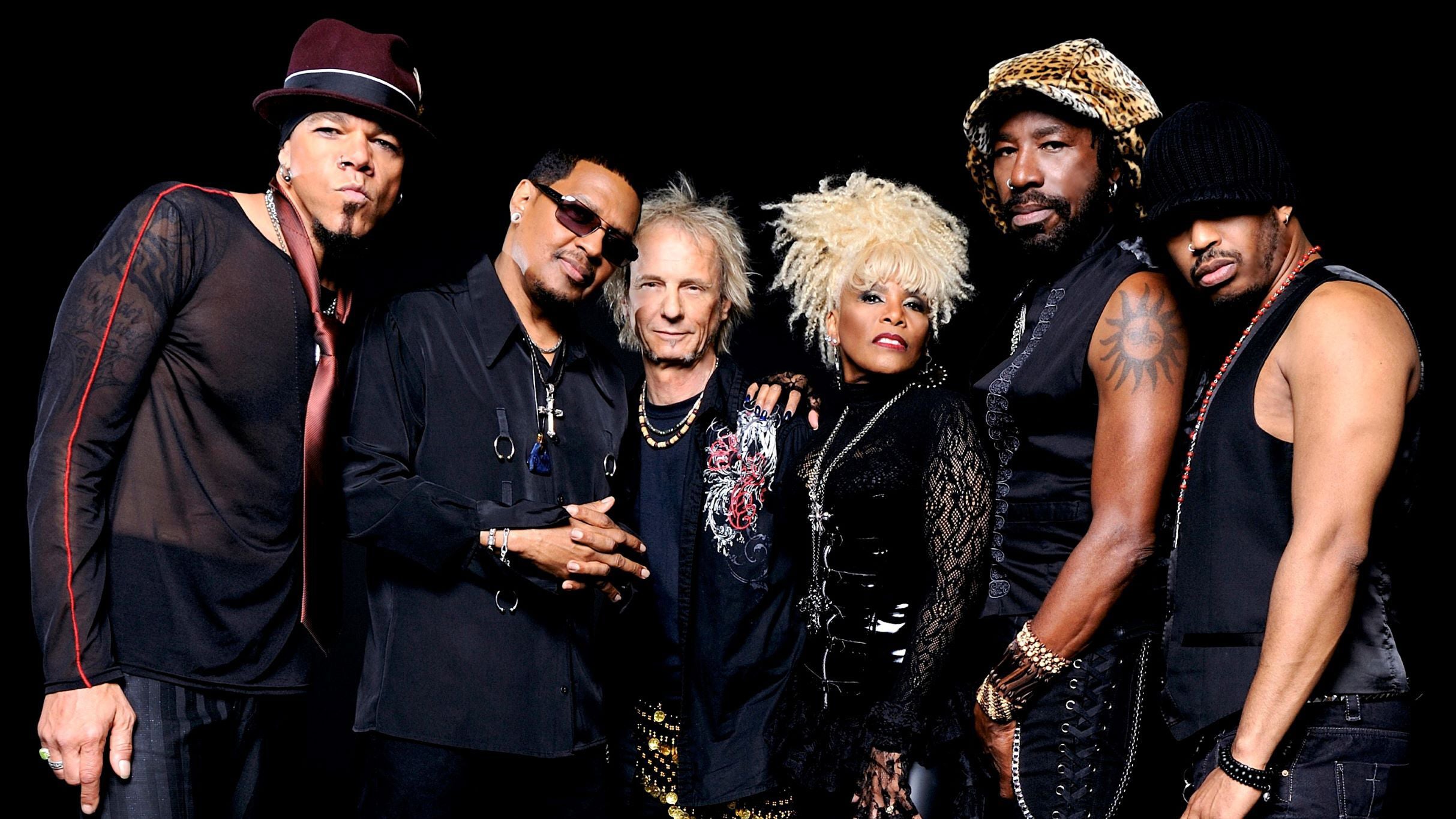
Mar. 15, 2026
Mother's Finest