- Today
- Holidays
- Birthdays
- Reminders
- Cities
- Atlanta
- Austin
- Baltimore
- Berwyn
- Beverly Hills
- Birmingham
- Boston
- Brooklyn
- Buffalo
- Charlotte
- Chicago
- Cincinnati
- Cleveland
- Columbus
- Dallas
- Denver
- Detroit
- Fort Worth
- Houston
- Indianapolis
- Knoxville
- Las Vegas
- Los Angeles
- Louisville
- Madison
- Memphis
- Miami
- Milwaukee
- Minneapolis
- Nashville
- New Orleans
- New York
- Omaha
- Orlando
- Philadelphia
- Phoenix
- Pittsburgh
- Portland
- Raleigh
- Richmond
- Rutherford
- Sacramento
- Salt Lake City
- San Antonio
- San Diego
- San Francisco
- San Jose
- Seattle
- Tampa
- Tucson
- Washington
Judge Slams DOJ for Omitting Key Law in Raid on Washington Post Reporter
Magistrate Judge William Porter refused to approve a warrant to search a journalist's home, citing the Privacy Protection Act that the DOJ failed to mention.
Published on Feb. 21, 2026
Got story updates? Submit your updates here. ›
A federal judge harshly criticized the Justice Department on Friday for failing to inform him of a law that could have undermined a federal search warrant targeting a Washington Post reporter. Magistrate Judge William Porter said the DOJ attorneys should have cited the Privacy Protection Act of 1980, which is designed to protect journalists and newsrooms from government searches and seizures of a reporter's work product materials unless the reporter is personally the subject of a criminal investigation or prosecution.
Why it matters
This case highlights the ongoing tensions between the government's desire to investigate potential crimes and the press' constitutional protections against unwarranted searches and seizures. The judge's strong rebuke of the DOJ's omission raises questions about the department's commitment to respecting press freedoms, especially when high-profile political figures are involved.
The details
Federal agents had raided Washington Post reporter Hannah Natanson's home last month, seizing her phone, two computers, and a Garmin watch. However, Judge Porter temporarily blocked investigators from examining the devices after Natanson and the Post sued to get them back. At a hearing, Porter grilled a DOJ attorney, asking 'How could you miss it? How could you think it doesn't apply?' The judge said he found it 'hard to be that in any way this law did not apply' and refused to approve the warrant.
- Last month, federal agents raided Washington Post reporter Hannah Natanson's home.
- On Friday, February 21, 2026, the hearing took place where the judge criticized the DOJ.
The players
Magistrate Judge William Porter
The federal judge who presided over the hearing and criticized the DOJ for failing to cite the Privacy Protection Act.
Hannah Natanson
A Washington Post reporter whose home was raided by federal agents, prompting her and the Post to sue to get her seized devices back.
Christian Dibblee
A Justice Department attorney who argued that the decision to omit the pertinent information was made by department superiors.
Gordon Kromberg
Another DOJ attorney who tried to tell the judge that the department didn't believe the Privacy Protection Act was applicable in this case.
What they’re saying
“How could you miss it? How could you think it doesn't apply?”
— Magistrate Judge William Porter (CNN)
“I find it hard to be that in any way this law did not apply.”
— Magistrate Judge William Porter (CNN)
“That's minimizing it!”
— Magistrate Judge William Porter (CNN)
“I understand the judge's 'frustration'.”
— Christian Dibblee, Justice Department attorney (CNN)
What’s next
The judge has temporarily blocked investigators from examining the devices seized from the reporter's home, and it remains to be seen how this case will proceed.
The takeaway
This case underscores the importance of the government respecting press freedoms and the legal protections afforded to journalists, even when investigating potential crimes. The judge's strong rebuke of the DOJ's omission raises concerns about the department's commitment to upholding these principles, especially in high-profile cases involving political figures.
Alexandria top stories



Alexandria events

Mar. 13, 2026
Paris Chansons - Live French Music At Its Best!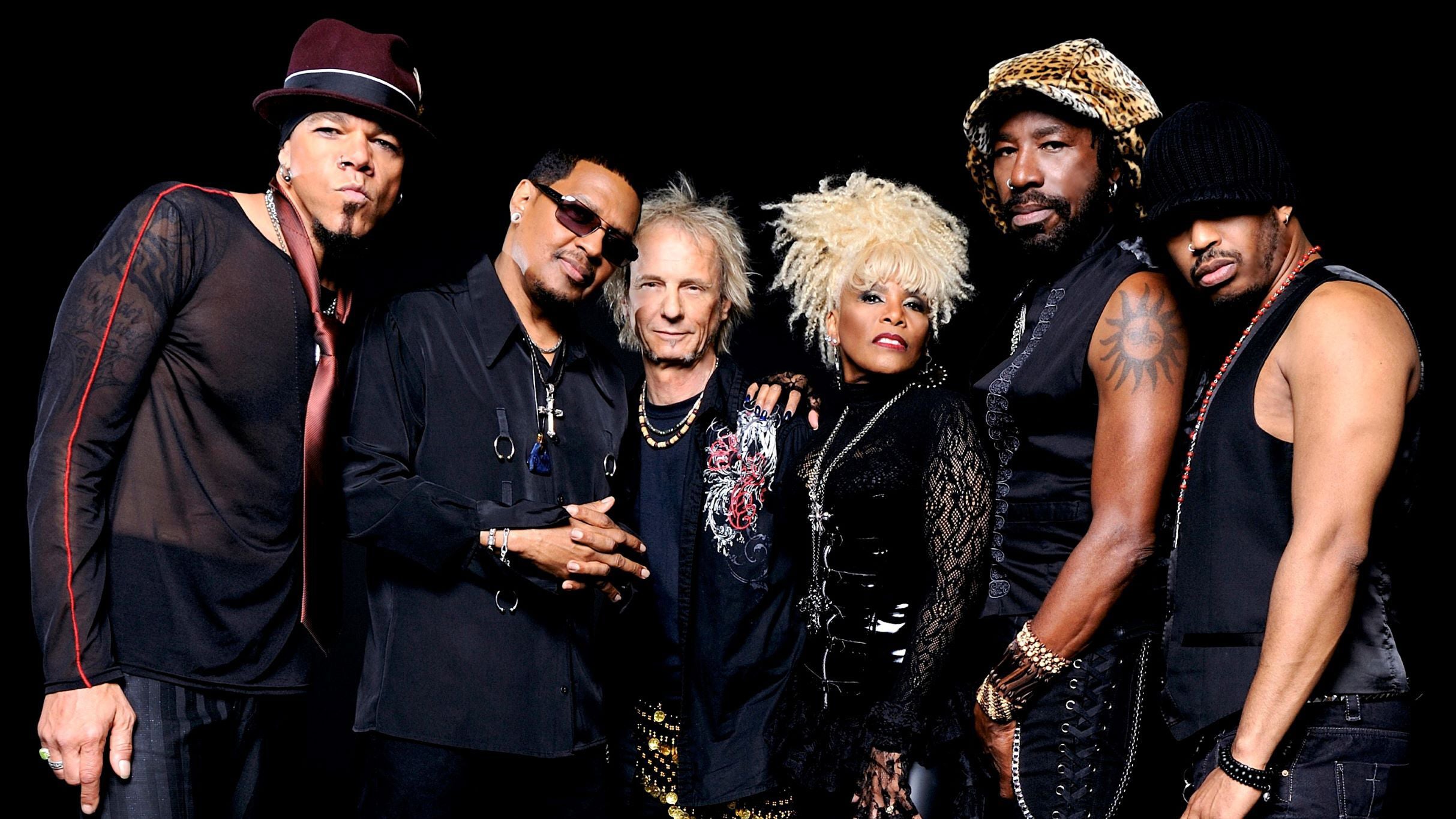
Mar. 15, 2026
Mother's Finest