- Today
- Holidays
- Birthdays
- Reminders
- Cities
- Atlanta
- Austin
- Baltimore
- Berwyn
- Beverly Hills
- Birmingham
- Boston
- Brooklyn
- Buffalo
- Charlotte
- Chicago
- Cincinnati
- Cleveland
- Columbus
- Dallas
- Denver
- Detroit
- Fort Worth
- Houston
- Indianapolis
- Knoxville
- Las Vegas
- Los Angeles
- Louisville
- Madison
- Memphis
- Miami
- Milwaukee
- Minneapolis
- Nashville
- New Orleans
- New York
- Omaha
- Orlando
- Philadelphia
- Phoenix
- Pittsburgh
- Portland
- Raleigh
- Richmond
- Rutherford
- Sacramento
- Salt Lake City
- San Antonio
- San Diego
- San Francisco
- San Jose
- Seattle
- Tampa
- Tucson
- Washington
George Washington Led Crucial Siege of Boston Before Becoming President
The Siege of Boston was Washington's first major military campaign as commander-in-chief of the Continental Army.
Published on Feb. 16, 2026
Got story updates? Submit your updates here. ›
More than a decade before becoming the country's first president, George Washington led a critical campaign in the early days of the American Revolution known as the Siege of Boston. The siege, which lasted nearly a year, bottled up as many as 11,000 British troops and hundreds of loyalists in the city. Washington's decision to send Henry Knox to retrieve cannons from Fort Ticonderoga and use them to fire on British positions ultimately led to the British abandoning Boston, a major morale boost for the patriots.
Why it matters
The success of the Siege of Boston gave new life and momentum to the Revolution. Had it failed, royal control of New England would have continued, and the Continental Army likely would have dissolved. The siege was also a critical test for Washington, ensuring he remained commander-in-chief for the remainder of the war and helping prepare him for the presidency.
The details
Following the Battles of Lexington and Concord, militias had pinned down the British in Boston in April 1775. The Continental Congress selected Washington to lead the newly-formed Continental Army. Washington's decision to send Henry Knox to retrieve dozens of cannons from Fort Ticonderoga and use them to fire on British positions contributed to the British, facing dwindling supplies, abandoning the city by boat on March 17, 1776.
- The Siege of Boston began in April 1775.
- On February 16, 1776, Washington would have been nearing the end of the almost yearlong siege.
- The British abandoned Boston on March 17, 1776.
The players
George Washington
The commander-in-chief of the Continental Army who led the Siege of Boston, his first major military campaign before becoming the country's first president.
Henry Knox
A young bookseller who was sent by Washington to Fort Ticonderoga in New York to retrieve dozens of cannons, which were then used to fire on British positions in Boston.
What they’re saying
“The success of the Siege of Boston gave new life and momentum to the Revolution. Had it failed, royal control of New England would have continued, and the Continental Army likely would have dissolved.”
— Chris Beagan, Site manager at Longfellow House in Cambridge, a National Historic Site that served as Washington's headquarters during the American Revolution (wbal.com)
“He comes to embody the cause in a time before you have a nation, before you have a Declaration of Independence, before you're really sure what is the goal of this struggle. He becomes the face of the revolutionary movement.”
— Doug Bradburn, President of George Washington's Mount Vernon (wbal.com)
The takeaway
The Siege of Boston was a critical early victory for George Washington and the Continental Army, helping to secure the independence of the American colonies and paving the way for Washington's rise to become the nation's first president.
Alexandria top stories



Alexandria events

Mar. 13, 2026
Paris Chansons - Live French Music At Its Best!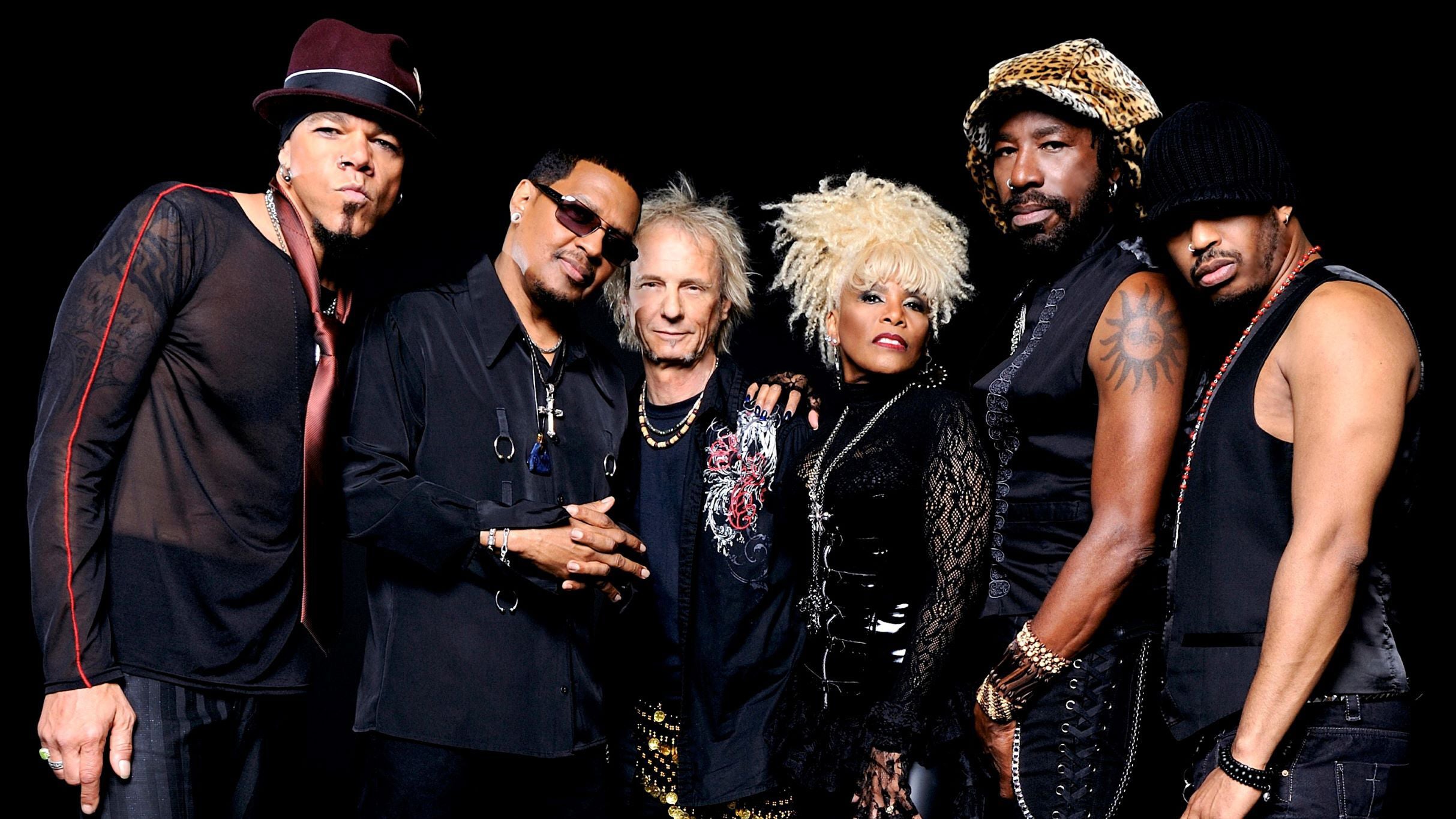
Mar. 15, 2026
Mother's Finest