- Today
- Holidays
- Birthdays
- Reminders
- Cities
- Atlanta
- Austin
- Baltimore
- Berwyn
- Beverly Hills
- Birmingham
- Boston
- Brooklyn
- Buffalo
- Charlotte
- Chicago
- Cincinnati
- Cleveland
- Columbus
- Dallas
- Denver
- Detroit
- Fort Worth
- Houston
- Indianapolis
- Knoxville
- Las Vegas
- Los Angeles
- Louisville
- Madison
- Memphis
- Miami
- Milwaukee
- Minneapolis
- Nashville
- New Orleans
- New York
- Omaha
- Orlando
- Philadelphia
- Phoenix
- Pittsburgh
- Portland
- Raleigh
- Richmond
- Rutherford
- Sacramento
- Salt Lake City
- San Antonio
- San Diego
- San Francisco
- San Jose
- Seattle
- Tampa
- Tucson
- Washington
Washington Today
By the People, for the People
Inconclusive Bullet Analysis Leaves Questions in Charlie Kirk Murder Case
Experts say 'inconclusive' findings do not exonerate suspect Tyler Robinson
Apr. 3, 2026 at 10:51pm
Got story updates? Submit your updates here. ›
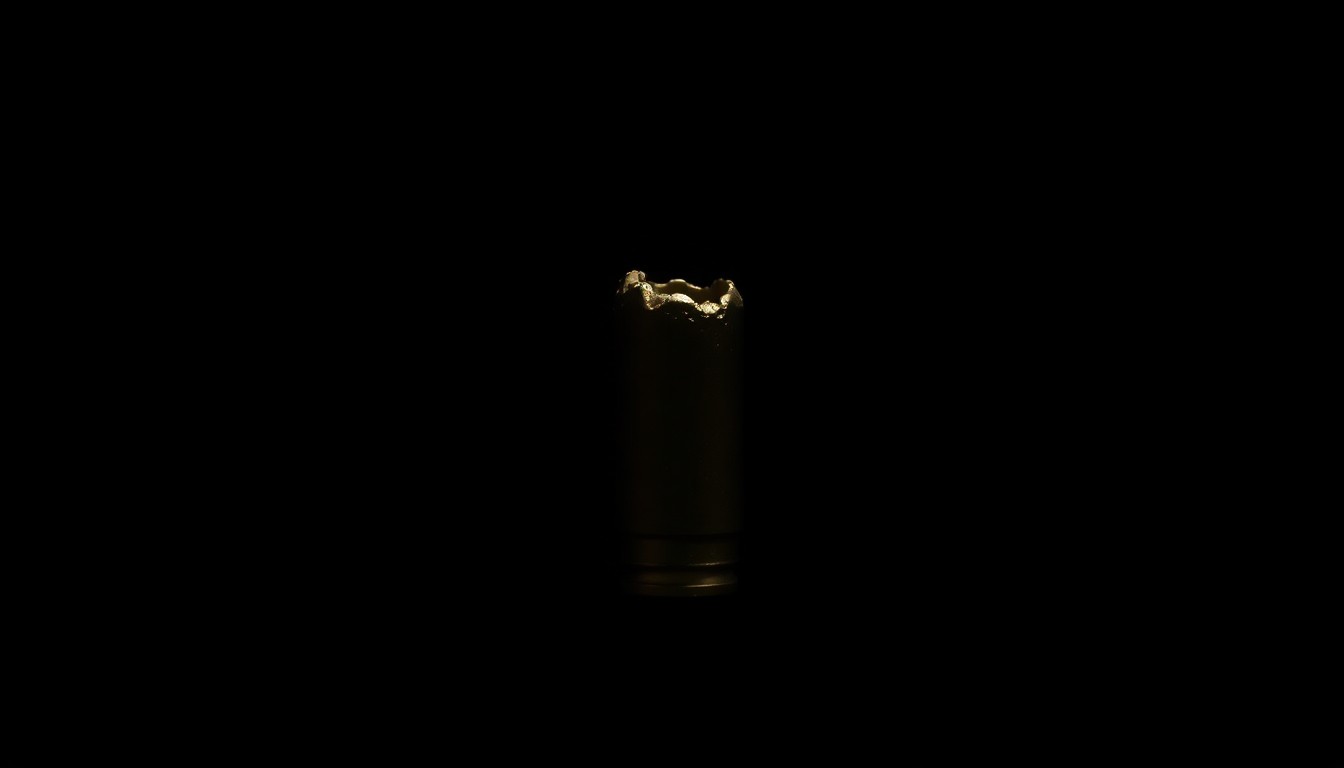 The inconclusive bullet analysis in the Charlie Kirk murder case highlights the challenges of relying on a single piece of forensic evidence.Washington Today
New court filings in the case against Tyler Robinson, the suspect in the murder of conservative commentator Charlie Kirk, revealed that a bullet analysis by the Bureau of Alcohol, Tobacco, Firearms and Explosives was 'inconclusive' in matching the bullet to the rifle allegedly used by Robinson. However, forensic experts say an 'inconclusive' result does not mean the bullet did not come from the rifle, and the case against Robinson includes other evidence beyond the bullet analysis.
Why it matters
The inconclusive bullet analysis has led to claims that Robinson has been exonerated, but experts say this is an oversimplification. The case highlights the complexities and limitations of forensic evidence, and the need to consider all the evidence in a criminal investigation rather than focusing on a single piece of analysis.
The details
The ATF report compared a bullet jacket fragment from Kirk's autopsy to a recovered rifle and determined the comparison to be 'inconclusive.' This led to reports claiming the bullet 'did not match' the rifle, but experts say an 'inconclusive' finding is common, especially with rifle bullets that can be heavily damaged, and does not rule out that the weapon used was the one linked to Robinson. The prosecution says additional testing is being conducted, including a second comparative bullet analysis and a bullet lead analysis.
- On March 27, Robinson's lawyers filed a court document stating the ATF was 'unable to identify the bullet recovered at autopsy to the rifle allegedly tied to Mr. Robinson'.
- On March 10, lawyers for news media quoted an ATF report in a previous court filing that the bullet comparison was 'inconclusive'.
The players
Tyler Robinson
The suspect charged with the murder of Charlie Kirk.
Bureau of Alcohol, Tobacco, Firearms and Explosives (ATF)
The federal agency that conducted the bullet analysis in the Charlie Kirk murder case.
Christopher Ballard
A spokesperson for the Utah County Attorney's Office and part of the prosecution team in the Charlie Kirk murder case.
Bernard Zapor
A retired ATF special agent in charge and faculty associate at Arizona State University's School of Criminology & Criminal Justice.
Stephanie Walcott
An assistant professor at the Virginia Commonwealth University's Department of Forensic Science.
What they’re saying
“When the results of a bullet fragment analysis come back as 'inconclusive,' that does not mean that the rifle did not fire the bullet. There just aren't enough marks on the fragment to make a conclusion one way or the other as to whether the bullet fragment was fired by the particular rifle.”
— Christopher Ballard, Spokesperson for the Utah County Attorney's Office
“In firearms and bullets, the rifling specification inside the barrel must be consistent with each other in order for an inconclusive to even be possible. If the bullet fragment showed a clear difference in the rifling characteristics, then it would have been an immediate elimination.”
— Stephanie Walcott, Assistant Professor, Virginia Commonwealth University Department of Forensic Science
What’s next
The prosecution says the FBI is conducting a second comparative bullet analysis and a bullet lead analysis as part of the ongoing investigation.
The takeaway
The inconclusive bullet analysis in the Charlie Kirk murder case highlights the complexities and limitations of forensic evidence. Experts caution against oversimplifying the findings, as an 'inconclusive' result does not mean the bullet did not come from the rifle linked to the suspect. The case underscores the need to consider all the evidence, rather than focusing on a single piece of analysis.