- Today
- Holidays
- Birthdays
- Reminders
- Cities
- Atlanta
- Austin
- Baltimore
- Berwyn
- Beverly Hills
- Birmingham
- Boston
- Brooklyn
- Buffalo
- Charlotte
- Chicago
- Cincinnati
- Cleveland
- Columbus
- Dallas
- Denver
- Detroit
- Fort Worth
- Houston
- Indianapolis
- Knoxville
- Las Vegas
- Los Angeles
- Louisville
- Madison
- Memphis
- Miami
- Milwaukee
- Minneapolis
- Nashville
- New Orleans
- New York
- Omaha
- Orlando
- Philadelphia
- Phoenix
- Pittsburgh
- Portland
- Raleigh
- Richmond
- Rutherford
- Sacramento
- Salt Lake City
- San Antonio
- San Diego
- San Francisco
- San Jose
- Seattle
- Tampa
- Tucson
- Washington
Sundance Today
By the People, for the People
Queer Rodeo Film 'Jaripeo' Explores Hidden Desires
Co-directors Efraín Mojica and Rebecca Zweig discuss using Super 8 footage and stylized sequences to portray the 'queer subconscious' in their documentary about Mexican rodeo culture.
Mar. 17, 2026 at 8:21am
Got story updates? Submit your updates here. ›
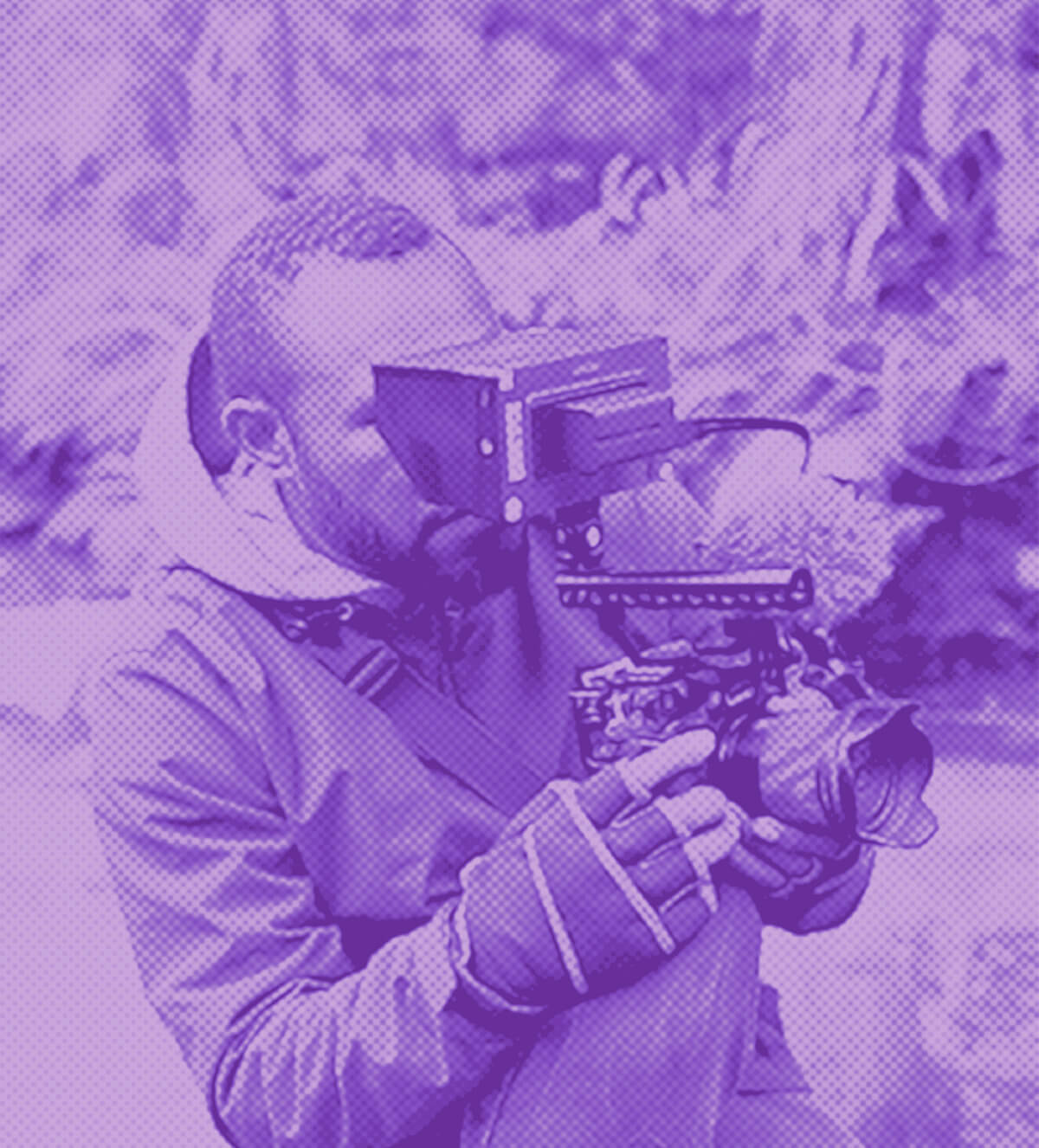
The documentary film 'Jaripeo' world premiered at Sundance and now screens at the Copenhagen International Documentary Film Festival. Co-directors Efraín Mojica and Rebecca Zweig mix cinema vérité, Super 8 footage, and stylized scenes to explore the hidden queer desires beneath the hypermasculine rituals of Mexican rodeo shows. The filmmakers discuss their use of the Super 8 camera as a 'magnifying glass for the queer eye' and the stylized sequences as a way to portray the 'queer subconscious' and 'hidden desire' within the traditionally macho rodeo culture.
Why it matters
Jaripeo provides a unique perspective on the intersection of machismo and queerness in Mexican rodeo culture, challenging traditional notions of masculinity and sexuality. The film's innovative visual approach using Super 8 and stylized sequences aims to empower the queer experience and bring visibility to marginalized narratives.
The details
Co-directors Efraín Mojica and Rebecca Zweig mix cinema vérité, Super 8 footage, and stylized, almost music video-esque sequences to explore the hidden queer desires beneath the hypermasculine rituals of Mexican rodeo shows. Mojica explains that the Super 8 camera acted as a 'magnifying glass for the queer eye,' allowing them to capture the 'coded language' and 'gay stuff' happening on the margins of the traditionally macho rodeo. The stylized sequences, in turn, were used to portray the 'queer subconscious' and 'hidden desire' within this straight-laced environment.
- Jaripeo world premiered at the Sundance Film Festival.
- The film is now screening at the 23rd edition of the Copenhagen International Documentary Film Festival, CPH:DOX.
The players
Efraín Mojica
Co-director of the film Jaripeo.
Rebecca Zweig
Co-director of the film Jaripeo.
Josué Eber Morales
Cinematographer for the film Jaripeo.
Gerardo Guerra
Cinematographer for the film Jaripeo.
Analía Goethals
Editor for the film Jaripeo.
What they’re saying
“I've always loved film and its texture, and once we talked about making the film, I just ordered a little Super 8 camera online, for something like 20 bucks.”
— Efraín Mojica, Co-director
“That camera was in my hand the entire time. I hope you notice it's not actually a queer rodeo, but a very traditional macho rodeo. And the function of the camera is to show you the details, this coded language that exists, and all the gay [stuff] that's happening.”
— Efraín Mojica, Co-director
“It was a way to portray the queer subconscious.”
— Efraín Mojica, Co-director
“These things are happening on the margins of of this very straight place.”
— Rebecca Zweig, Co-director
“To embody this experience, these emotions, without doing it in an exploitative way, but doing it in a way where people felt empowered by the scene.”
— Efraín Mojica, Co-director
What’s next
The filmmakers have discussed the possibility of exploring the queer female perspective in a separate project after focusing on the male queer experience in Jaripeo.
The takeaway
Jaripeo challenges traditional notions of masculinity and sexuality by using innovative visual techniques to expose the hidden queer desires within the hypermasculine world of Mexican rodeo culture, empowering marginalized narratives and bringing visibility to the intersection of machismo and queerness.