- Today
- Holidays
- Birthdays
- Reminders
- Cities
- Atlanta
- Austin
- Baltimore
- Berwyn
- Beverly Hills
- Birmingham
- Boston
- Brooklyn
- Buffalo
- Charlotte
- Chicago
- Cincinnati
- Cleveland
- Columbus
- Dallas
- Denver
- Detroit
- Fort Worth
- Houston
- Indianapolis
- Knoxville
- Las Vegas
- Los Angeles
- Louisville
- Madison
- Memphis
- Miami
- Milwaukee
- Minneapolis
- Nashville
- New Orleans
- New York
- Omaha
- Orlando
- Philadelphia
- Phoenix
- Pittsburgh
- Portland
- Raleigh
- Richmond
- Rutherford
- Sacramento
- Salt Lake City
- San Antonio
- San Diego
- San Francisco
- San Jose
- Seattle
- Tampa
- Tucson
- Washington
IRS Using Chatbots to Flag Risky Tax Returns as More Filers Turn to AI
Experts warn AI-powered tax prep could save time but increase audit risk
Apr. 10, 2026 at 6:10pm
Got story updates? Submit your updates here. ›
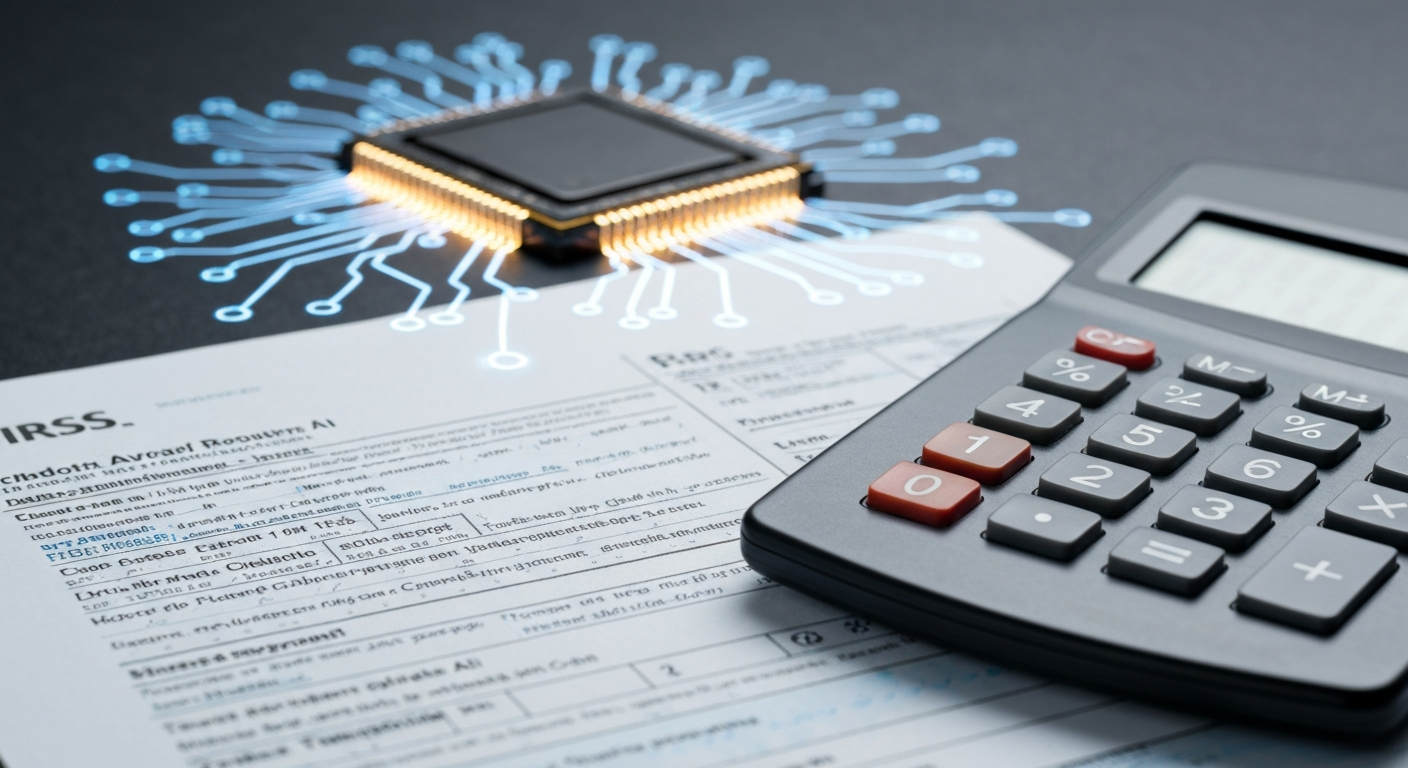 The IRS is leveraging AI-powered chatbots to quickly flag tax returns with inconsistencies, putting certain filers at higher risk of audits.Salt Lake City Today
As the tax filing deadline approaches, more Americans are turning to AI-powered tax preparation tools to save time. However, financial experts caution that while AI can help organize documents and identify patterns, it should not replace human judgment when filing taxes. The IRS is using advanced chatbots to quickly flag tax returns with inconsistencies, putting certain groups like the self-employed, cash-heavy businesses, and high earners at higher risk of audits if they rely solely on AI.
Why it matters
With the rise of AI-powered tax prep tools, there are growing concerns that over-reliance on automation could lead to more audits and penalties, especially for certain taxpayer groups. This highlights the importance of using AI as a support tool alongside qualified tax professionals to ensure accurate and compliant filings.
The details
The IRS is leveraging AI-powered chatbots to quickly analyze tax returns and flag anything inconsistent, such as mismatched W-2s and 1099s. These systems can compare a return against similar taxpayers and identify anomalies that may trigger an audit. Experts warn the IRS is particularly focused on returns with incomes over $400,000, as well as self-employed individuals, cash-heavy businesses like restaurants and salons, and social media influencers - groups that may be more prone to discrepancies that AI can easily detect.
- Tax Day is less than a week away on April 15, 2026.
The players
Jenny Groberg
A financial expert who spoke with ARC Salt Lake about the risks of over-relying on AI for tax preparation.
IRS
The U.S. Internal Revenue Service, which is using advanced chatbots and AI to quickly identify inconsistencies in tax returns and flag them for potential audits.
What they’re saying
“AI can help you get things organized – get things together – but you're ultimately responsible. You sign the tax return. You pay the penalties and interest if you're wrong.”
— Jenny Groberg, Financial Expert
“They would flag things like, your 1099s don't match your employer. Your W-2s don't match. That's the low-hanging fruit. They're really going after the bigger payers - $400,000-plus (income earners). Really any discrepancies, the AI is going to pick up really quickly.”
— Jenny Groberg, Financial Expert
What’s next
Taxpayers should be aware of the IRS's use of AI-powered chatbots to quickly identify inconsistencies in tax returns, and ensure they are working with qualified tax professionals to avoid potential audits and penalties, especially if they fall into higher-risk groups like high-income earners or those in cash-heavy industries.
The takeaway
While AI-powered tax preparation tools can save time, over-reliance on automation without human oversight could lead to more IRS audits, especially for certain taxpayer groups. The safest approach is to use AI as a support tool alongside qualified tax professionals to ensure accurate and compliant filings.
Salt Lake City top stories



Salt Lake City events

Apr. 12, 2026
Phantom Of The Opera (Touring)
Apr. 12, 2026
Freddie Dredd w/ Germ
Apr. 12, 2026
Animals As Leaders