- Today
- Holidays
- Birthdays
- Reminders
- Cities
- Atlanta
- Austin
- Baltimore
- Berwyn
- Beverly Hills
- Birmingham
- Boston
- Brooklyn
- Buffalo
- Charlotte
- Chicago
- Cincinnati
- Cleveland
- Columbus
- Dallas
- Denver
- Detroit
- Fort Worth
- Houston
- Indianapolis
- Knoxville
- Las Vegas
- Los Angeles
- Louisville
- Madison
- Memphis
- Miami
- Milwaukee
- Minneapolis
- Nashville
- New Orleans
- New York
- Omaha
- Orlando
- Philadelphia
- Phoenix
- Pittsburgh
- Portland
- Raleigh
- Richmond
- Rutherford
- Sacramento
- Salt Lake City
- San Antonio
- San Diego
- San Francisco
- San Jose
- Seattle
- Tampa
- Tucson
- Washington
Utah's Drought Reaches Extreme Levels as Snowpack Melts
Record-breaking temperatures and low snowpack have led to a sudden expansion of extreme drought across the state.
Apr. 3, 2026 at 3:38pm
Got story updates? Submit your updates here. ›
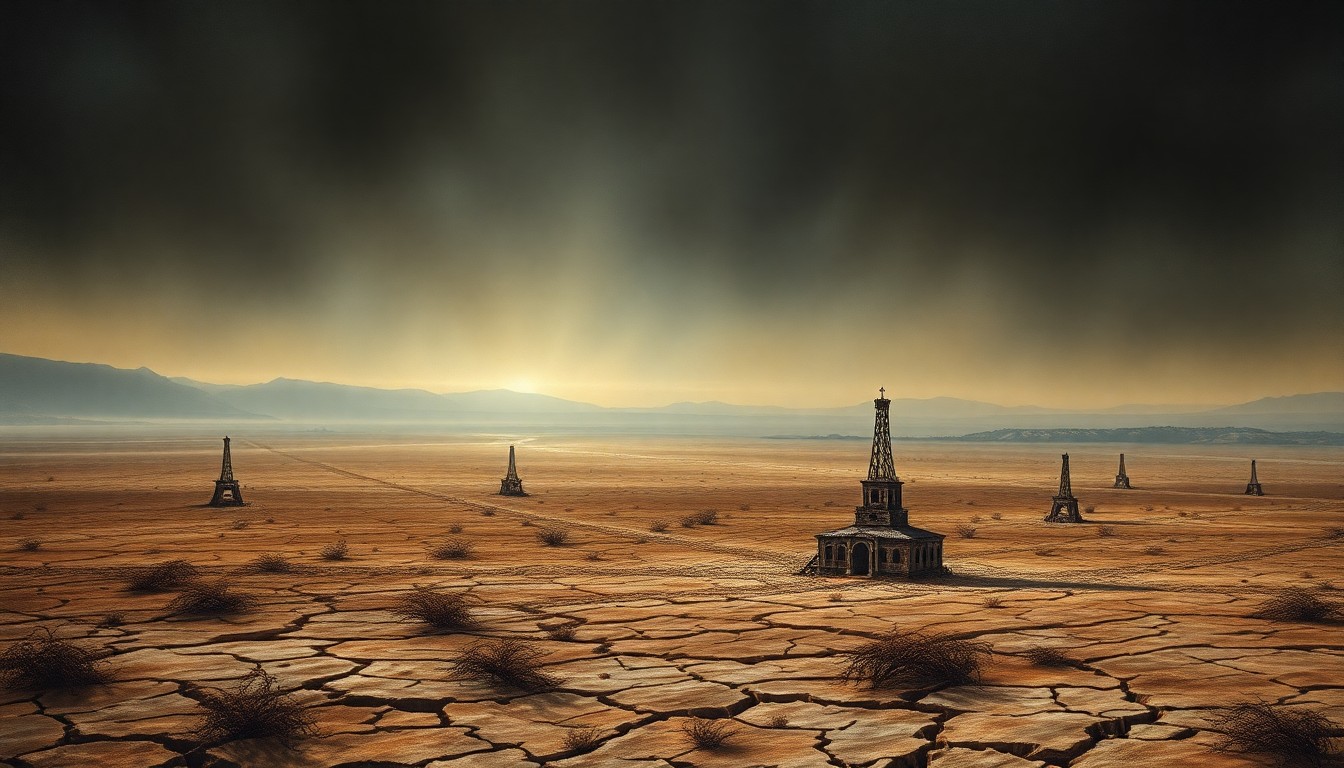 The overwhelming scale of Utah's extreme drought conditions, captured in a sweeping, atmospheric landscape that dwarfs any human presence.Salt Lake City Today
More than half of Utah has suddenly found itself in extreme drought, following record warmth that has already melted most of the state's record-low snowpack. Extreme drought or worse now blankets nearly 60% of Utah, a massive increase from just 7% the previous week.
Why it matters
Utah's snowpack accounts for about 95% of the state's water supply, and the record-low levels this year will have significant impacts on water availability, agriculture, and wildfire risk throughout the state. The rapid expansion of extreme drought conditions underscores the vulnerability of the region to the effects of climate change.
The details
The U.S. Drought Monitor report shows that extreme drought or worse now covers nearly 60% of Utah, up from just 7% the previous week. This includes almost 1% of the state in exceptional drought, the worst drought condition. All other parts of Utah are also in at least moderate drought for the first time this year, with over 80% in at least severe drought - nearly double the percentage from two weeks ago. Climatologists attribute this sudden worsening of drought to 'anomalous heat and record-low snowpack levels' across the Intermountain West.
- March 2026 saw record-breaking high temperatures in Utah, with Salt Lake City's average temperature shattering the previous March record by 3.5 degrees.
- Utah's statewide snowpack peaked at just 8.3 inches of snow water equivalent on March 9, a little more than half of the normal peak and the lowest level on record dating back to the 1980s.
- Approximately two-thirds of this year's poor snowpack collection had already melted prematurely by late March due to the record warmth.
The players
David Simeral
A climatologist for the Western Regional Climate Center who wrote the report accompanying the latest U.S. Drought Monitor update.
Glen Merrill
A hydrologist for the National Weather Service who commented on the rare and sudden expansion of extreme drought across Utah.
Jordan Clayton
A hydrologist for the Natural Resources Conservation Service who previously blamed record-warm temperatures for creating little to no snowpack in low- and mid-level basins this year.
What they’re saying
“It's rare to see the drought status over ... the whole state essentially change by one category in one drought update.”
— Glen Merrill, Hydrologist, National Weather Service
“We've never seen temperatures in March like we saw this year.”
— Glen Merrill, Hydrologist, National Weather Service
“We're essentially going into the warm season one to two months early this year. It's already rearing its head and showing itself with the latest degradation in the drought status.”
— Glen Merrill, Hydrologist, National Weather Service
What’s next
The National Weather Service's Climate Prediction Center lists Utah as having slightly higher odds for above-average precipitation through mid-April, indicating more storms on the horizon. However, the agency also notes that odds lean toward average-normal temperatures and below-normal precipitation in Utah throughout April and the next three months, which could cause the drought to worsen.
The takeaway
The rapid expansion of extreme drought conditions across Utah underscores the state's vulnerability to the effects of climate change, particularly the impacts on its critical water supply from snowpack. While recent storms have provided some temporary relief, long-term solutions will be needed to address the growing threat of drought and water scarcity in the region.