- Today
- Holidays
- Birthdays
- Reminders
- Cities
- Atlanta
- Austin
- Baltimore
- Berwyn
- Beverly Hills
- Birmingham
- Boston
- Brooklyn
- Buffalo
- Charlotte
- Chicago
- Cincinnati
- Cleveland
- Columbus
- Dallas
- Denver
- Detroit
- Fort Worth
- Houston
- Indianapolis
- Knoxville
- Las Vegas
- Los Angeles
- Louisville
- Madison
- Memphis
- Miami
- Milwaukee
- Minneapolis
- Nashville
- New Orleans
- New York
- Omaha
- Orlando
- Philadelphia
- Phoenix
- Pittsburgh
- Portland
- Raleigh
- Richmond
- Rutherford
- Sacramento
- Salt Lake City
- San Antonio
- San Diego
- San Francisco
- San Jose
- Seattle
- Tampa
- Tucson
- Washington
Found a Baby Bird on the Ground? Here's What to Do
The Utah Division of Wildlife Resources offers guidance on safely handling nestlings and fledglings
Apr. 3, 2026 at 2:03pm
Got story updates? Submit your updates here. ›
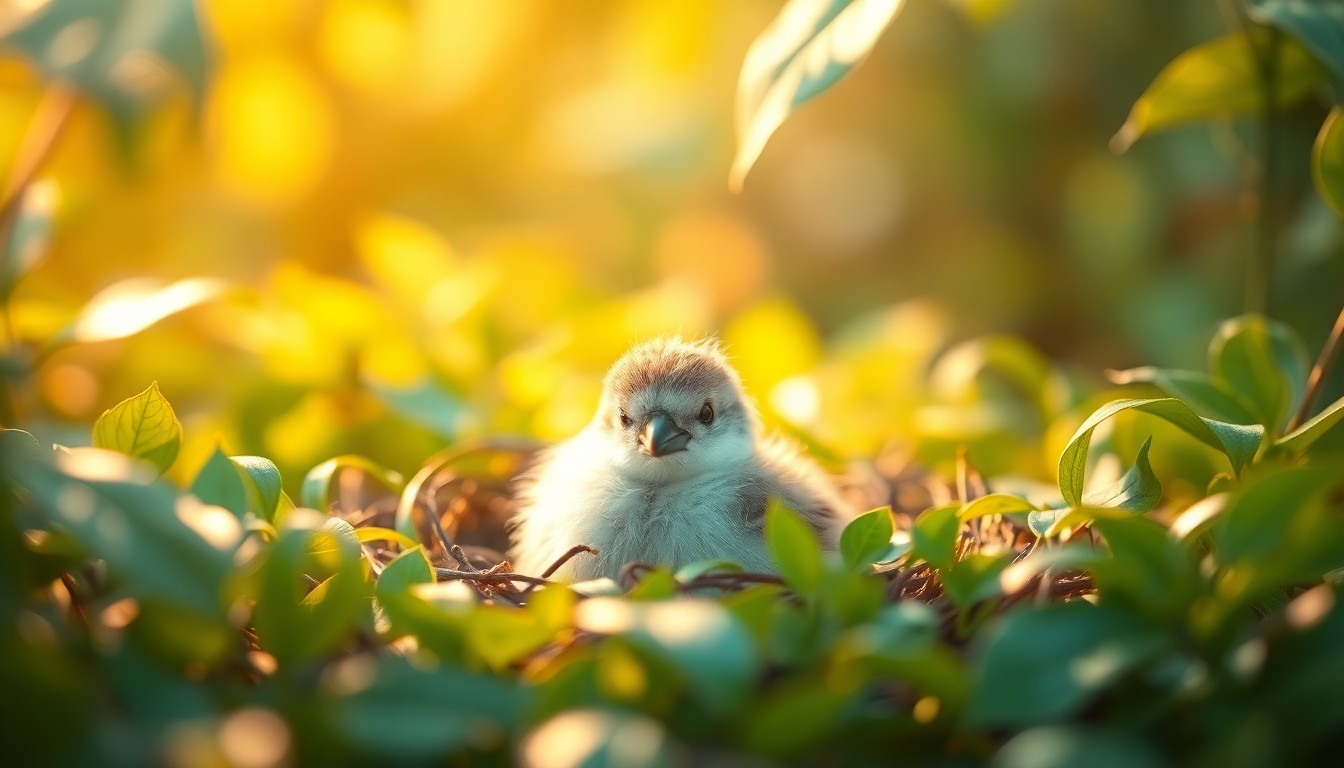 A delicate baby bird rests safely in its natural habitat, a reminder of the importance of protecting vulnerable wildlife during nesting season.Salt Lake City Today
Springtime in Utah brings an increase in baby birds hatching, and occasionally some end up on the ground. The Utah Division of Wildlife Resources (DWR) provides important guidance on how to properly handle nestlings and fledglings to ensure their safety, including placing nestlings back in their nest if possible, leaving fledglings alone, and never feeding baby birds, as their diets are specific and feeding them the wrong food can be fatal.
Why it matters
With more baby birds hatching in the spring, it's important for Utah residents to understand the proper protocols for handling them to avoid harming the birds or violating wildlife laws. The DWR's guidance helps ensure the birds' wellbeing and educates the public on the natural development stages of nestlings and fledglings.
The details
If a baby bird has no feathers and appears small and fragile, it is likely a nestling. If possible, the nestling should be carefully placed back in its nest. If the nest is out of reach or cannot be found, the nestling should be set on a branch safely away from predators, as its parents will still find and care for it. Unlike some other wildlife, birds do not have a strong sense of smell, so handling a nestling won't cause its parents to abandon it. If the bird has feathers and is hopping around, it is a fledgling, which is a normal stage of development typically lasting a few days. Fledglings should be left where they are found, unless they are in immediate danger, in which case they should be moved to a safer nearby spot. It is illegal to feed baby birds, as they have specific diets, and providing the wrong food can be fatal. It is also illegal to disturb active nests containing eggs or baby birds.
- Springtime in Utah brings an increase in baby birds hatching.
The players
Utah Division of Wildlife Resources (DWR)
The state agency responsible for managing and protecting Utah's wildlife, including providing guidance on how to properly handle baby birds found on the ground.
Jason Jones
DWR Migratory Game Bird Coordinator, who provided expert advice on handling nestlings and fledglings.
What they’re saying
“The baby will squawk, and its parents will find it.”
— Jason Jones, DWR Migratory Game Bird Coordinator
“If the bird isn't in danger, leave it where you found it. If it's at risk, carefully move it to a safer spot close by.”
— Jason Jones, DWR Migratory Game Bird Coordinator
“While robins can eat worms, other birds cannot. What seems like help can actually do more harm than good.”
— Jason Jones, DWR Migratory Game Bird Coordinator
What’s next
If you find a group of five or more dead birds, report it to the DWR to help monitor for avian flu. Never handle dead birds yourself.
The takeaway
By following the DWR's guidance on properly handling baby birds, Utah residents can help ensure the safety and wellbeing of these vulnerable animals while also avoiding any legal issues related to disturbing nests or keeping wild birds as pets.