- Today
- Holidays
- Birthdays
- Reminders
- Cities
- Atlanta
- Austin
- Baltimore
- Berwyn
- Beverly Hills
- Birmingham
- Boston
- Brooklyn
- Buffalo
- Charlotte
- Chicago
- Cincinnati
- Cleveland
- Columbus
- Dallas
- Denver
- Detroit
- Fort Worth
- Houston
- Indianapolis
- Knoxville
- Las Vegas
- Los Angeles
- Louisville
- Madison
- Memphis
- Miami
- Milwaukee
- Minneapolis
- Nashville
- New Orleans
- New York
- Omaha
- Orlando
- Philadelphia
- Phoenix
- Pittsburgh
- Portland
- Raleigh
- Richmond
- Rutherford
- Sacramento
- Salt Lake City
- San Antonio
- San Diego
- San Francisco
- San Jose
- Seattle
- Tampa
- Tucson
- Washington
Utah Judge Weighs Media Access in Charlie Kirk Killing Case
Attorneys debate whether defense's request to exclude cameras should be made public.
Mar. 13, 2026 at 2:21pm
Got story updates? Submit your updates here. ›
The man accused of killing conservative activist Charlie Kirk on a Utah college campus is due back in court as a state judge weighs whether certain documents and proceedings should be open to the public. The outcome will set the stage for an April hearing in which attorneys for Tyler Robinson will make their case to exclude TV cameras, microphones and photographers from the courtroom.
Why it matters
The case has drawn significant media attention, with prosecutors seeking the death penalty for Robinson. The judge has already placed some restrictions on media coverage, and the upcoming hearings will determine how much access the public and press will have to the proceedings.
The details
Prosecutors intend to seek the death penalty for Robinson, 22, who is charged with aggravated murder in the Sept. 10 shooting of Kirk on the Utah Valley University campus in Orem. Robinson has not yet entered a plea. Attorneys are expected to debate whether the defense's written request to exclude cameras, which was classified by the court as private, should be made public. The judge will also determine if an April 17 hearing on the matter will be open or partially closed.
- The man accused of killing Charlie Kirk is due back in court on Friday, March 13, 2026.
- An April 17, 2026 hearing is scheduled to determine media access to the proceedings.
The players
Tyler Robinson
The 22-year-old man accused of killing conservative activist Charlie Kirk on a Utah college campus.
Judge Tony Graf
The state judge weighing whether certain documents and proceedings in the Charlie Kirk killing case should be open to the public.
Charlie Kirk
The conservative activist who was killed on the Utah Valley University campus in Orem.
What’s next
The judge will decide on Friday whether the defense's request to exclude cameras should be made public. The April 17 hearing will determine if the proceedings will be open or partially closed to the media.
The takeaway
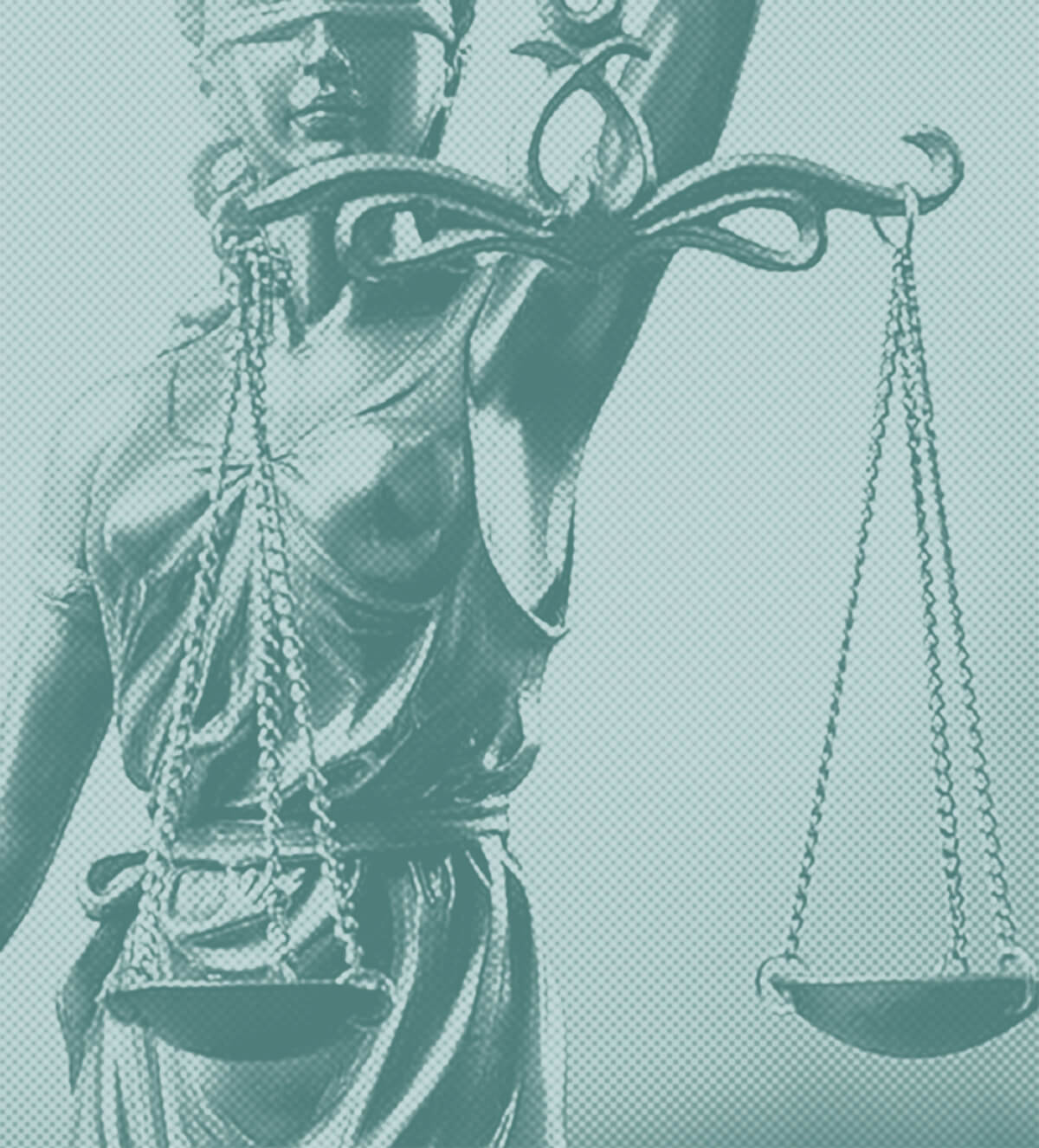
This case highlights the ongoing tension between the public's right to know and a defendant's right to a fair trial, as the judge tries to balance media access with protecting the integrity of the judicial process.
Salt Lake City top stories


Salt Lake City events
Mar. 14, 2026
Utah Mammoth vs. Pittsburgh Penguins
Mar. 14, 2026
Real Salt Lake vs. Austin FC
Mar. 14, 2026
Shen Yun