- Today
- Holidays
- Birthdays
- Reminders
- Cities
- Atlanta
- Austin
- Baltimore
- Berwyn
- Beverly Hills
- Birmingham
- Boston
- Brooklyn
- Buffalo
- Charlotte
- Chicago
- Cincinnati
- Cleveland
- Columbus
- Dallas
- Denver
- Detroit
- Fort Worth
- Houston
- Indianapolis
- Knoxville
- Las Vegas
- Los Angeles
- Louisville
- Madison
- Memphis
- Miami
- Milwaukee
- Minneapolis
- Nashville
- New Orleans
- New York
- Omaha
- Orlando
- Philadelphia
- Phoenix
- Pittsburgh
- Portland
- Raleigh
- Richmond
- Rutherford
- Sacramento
- Salt Lake City
- San Antonio
- San Diego
- San Francisco
- San Jose
- Seattle
- Tampa
- Tucson
- Washington
Hotels Evolve to Support Modern Events
Flexibility, flow, and in-between spaces are shaping event-friendly hotel design.
Published on Feb. 26, 2026
Got story updates? Submit your updates here. ›
As in-person events continue to make a comeback, hotels are being asked to support more than just packed ballrooms and breakout rooms. Increasingly, it's the spaces around those meetings that matter just as much. Interior designer Noelani Brannon of //3877 architecture firm discusses how hotels are rethinking their public spaces to better accommodate conference traffic, flexibility, and the everyday moments that happen between sessions.
Why it matters
With major global events like the World Cup putting additional pressure on U.S. hospitality infrastructure, hotels are evolving their design to better support business and event travelers. By focusing on proximity, continuity, and comfort in public spaces, hotels can create a more seamless experience for attendees.
The details
At the Salt Lake Marriott Downtown City Creek, the renovation prioritized making event spaces directly adjacent to the lobby, allowing for smooth, intuitive movement throughout the property. Furniture selection also plays a critical role, with lightweight, movable pieces that can easily transition layouts for different events. Prefunction areas are now doing more work, serving as natural zones for conversation and connection between sessions. Access to power, technology, and 'wow' moments in these auxiliary spaces are also becoming increasingly important.
- The Salt Lake Marriott Downtown City Creek recently underwent a renovation.
The players
Noelani Brannon
An interior designer at architecture and design firm //3877 who works closely with hoteliers on projects designed to support business and event travelers.
Salt Lake Marriott Downtown City Creek
A hotel located adjacent to the Salt Palace Convention Center in Salt Lake City, Utah, that recently underwent a renovation to better accommodate conference traffic and flexibility.
What they’re saying
“A major focus was making sure the event spaces were directly adjacent to the lobby and that those transitions felt seamless. It really feels like an extension of the lobby.”
— Noelani Brannon, Interior Designer, //3877 (BizBash)
“We're very intentional about making sure it feels like a place where—even if you're not attending a conference—you'd feel comfortable taking a phone call or spending time.”
— Noelani Brannon, Interior Designer, //3877 (BizBash)
The takeaway
As in-person events continue to rebound, hotels are evolving their public spaces to better support the needs of business and event travelers. By prioritizing flexibility, flow, and auxiliary spaces, hotels can create a more seamless and comfortable experience for attendees, even during the busiest conference schedules.
Salt Lake City top stories



Salt Lake City events

Mar. 2, 2026
Utah Jazz vs. Denver Nuggets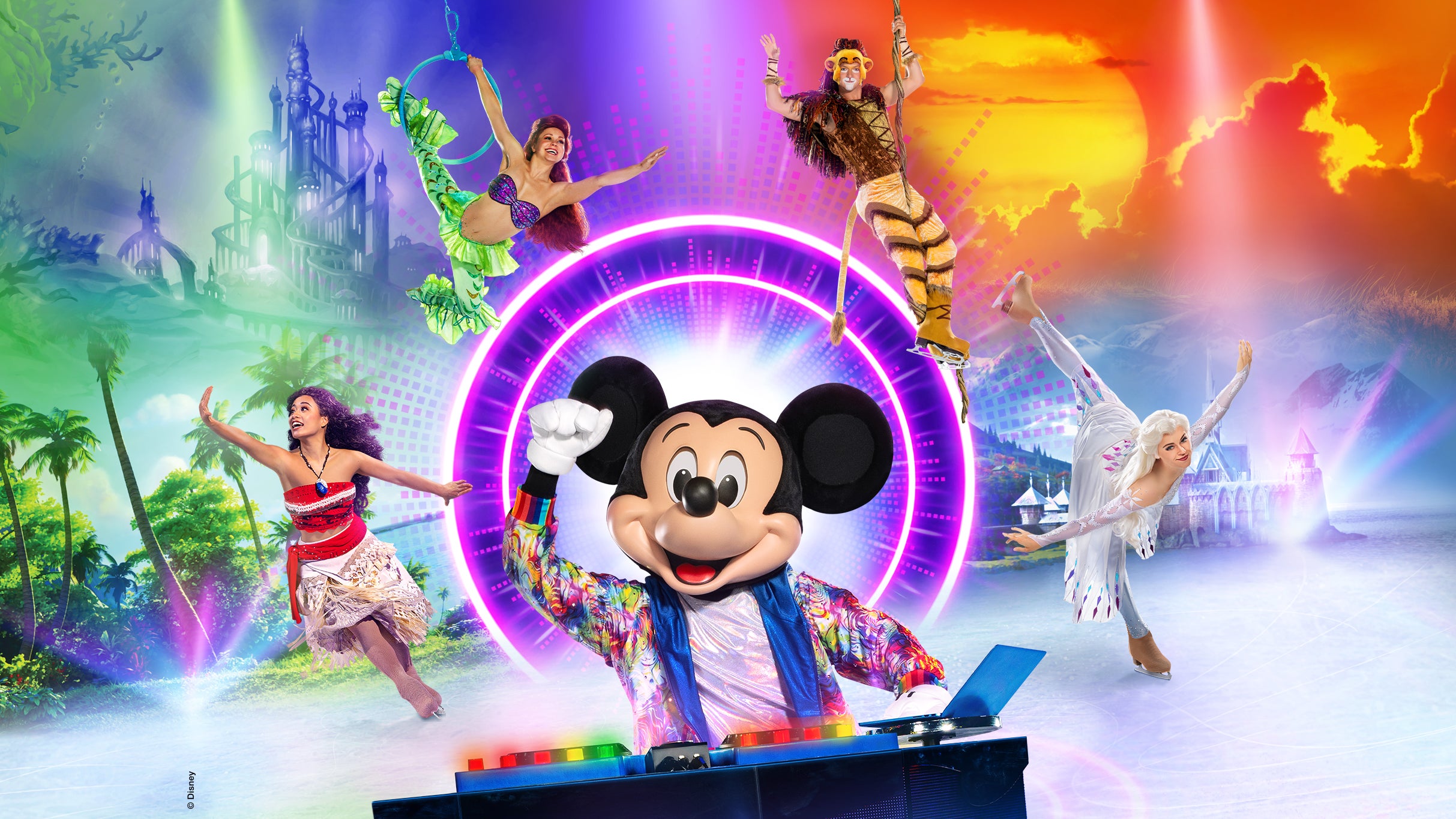
Mar. 5, 2026
Disney On Ice: Let's Dance!
Mar. 5, 2026
Alexander Stewart