- Today
- Holidays
- Birthdays
- Reminders
- Cities
- Atlanta
- Austin
- Baltimore
- Berwyn
- Beverly Hills
- Birmingham
- Boston
- Brooklyn
- Buffalo
- Charlotte
- Chicago
- Cincinnati
- Cleveland
- Columbus
- Dallas
- Denver
- Detroit
- Fort Worth
- Houston
- Indianapolis
- Knoxville
- Las Vegas
- Los Angeles
- Louisville
- Madison
- Memphis
- Miami
- Milwaukee
- Minneapolis
- Nashville
- New Orleans
- New York
- Omaha
- Orlando
- Philadelphia
- Phoenix
- Pittsburgh
- Portland
- Raleigh
- Richmond
- Rutherford
- Sacramento
- Salt Lake City
- San Antonio
- San Diego
- San Francisco
- San Jose
- Seattle
- Tampa
- Tucson
- Washington
Utah Forces Sale of Chinese-Owned Motor Sports Park Citing Security Concerns
State officials allege ties to 'hostile foreign entity' as justification for compelled property sale.
Apr. 11, 2026 at 1:41pm
Got story updates? Submit your updates here. ›
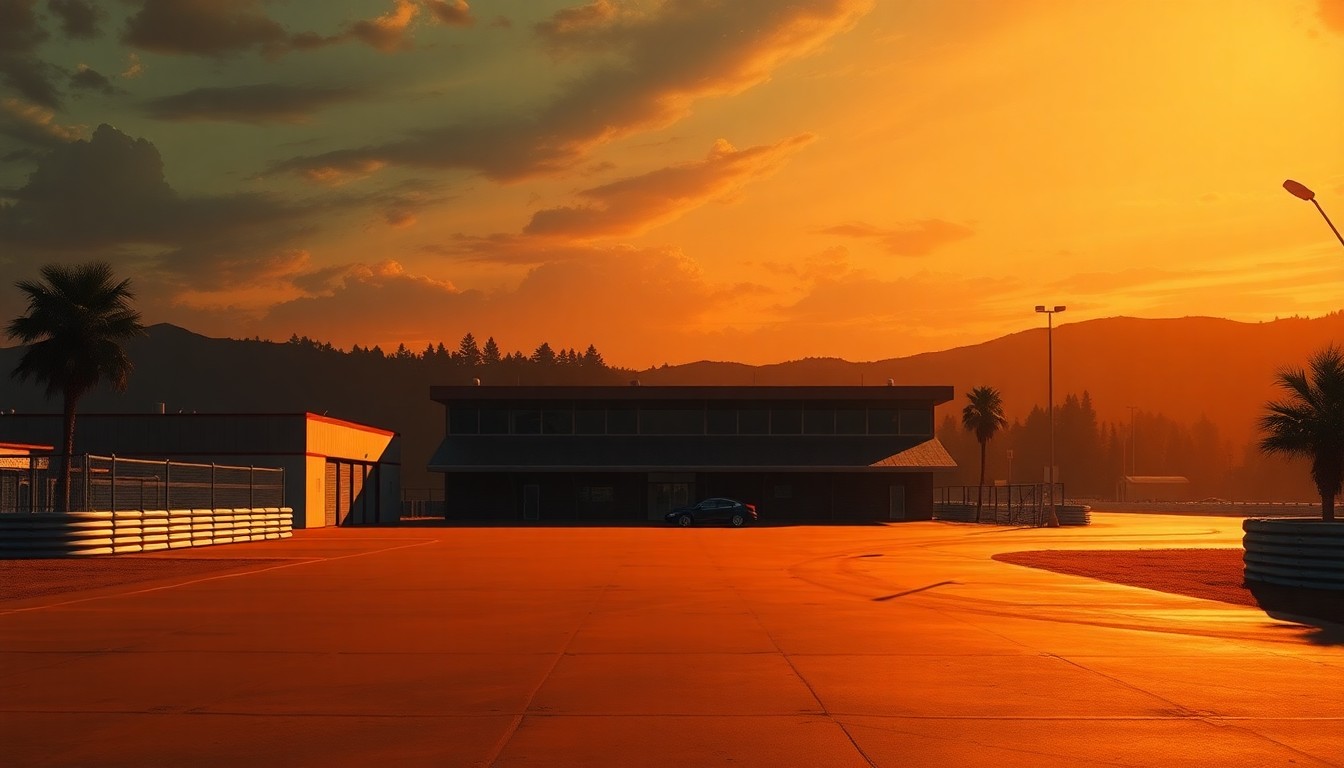 The forced sale of a Chinese-owned motor sports park in Utah raises concerns about the balance between national security and foreign investment.Provo Today
The state of Utah has forced the sale of a Chinese-owned motor sports park in Tooele County, citing national security concerns over the property's proximity to sensitive military sites. Governor Spencer Cox and state lawmakers argued the company had ties to the Chinese government, posing a potential risk of espionage and surveillance. However, the county itself welcomed the new ownership, anticipating economic growth and tourism benefits.
Why it matters
This case highlights the growing tensions between national security priorities and foreign investment, as states seek to limit perceived threats from 'hostile foreign actors' while also attracting legitimate business opportunities. The controversy raises questions about where to draw the line between necessary precautions and potential xenophobia.
The details
Utah's governor revealed that the state successfully compelled the sale of a motor sports park in Tooele County that was owned by a Chinese company. Officials alleged the company had ties to the Chinese government and that the property's location next to the Tooele Army Depot and Utah Test & Training Range posed a risk of espionage and drone surveillance. Lawmakers like House Majority Whip Candice Pierucci expressed relief at the sale, but the county itself welcomed the new ownership, anticipating economic growth and tourism benefits.
- In 2023, Utah's governor announced the forced sale of the Chinese-owned motor sports park.
- In 2026, state lawmakers are pushing a bill to force more companies with alleged ties to 'hostile actors' to divest land.
The players
Spencer Cox
The governor of Utah who revealed the decision to force the sale of the Chinese-owned property, citing national security concerns.
Candice Pierucci
The House Majority Whip in Utah who expressed relief at the sale of the property, noting its proximity to sensitive military sites.
Brittany Lopez
The assistant manager of Tooele County, who expressed optimism about the future of the motorsports campus and thanked the governor and legislators for their support.
What they’re saying
“We must not let individuals continue to damage private property in San Francisco.”
— Robert Jenkins, San Francisco resident
What’s next
Rep. Pierucci is pushing a bill to force more companies with alleged ties to 'hostile actors' to divest land, significantly lowering the ownership threshold. This move could have far-reaching implications, potentially affecting numerous businesses.
The takeaway
This case highlights the growing tensions between national security priorities and foreign investment, as states seek to limit perceived threats from 'hostile foreign actors' while also attracting legitimate business opportunities. The controversy raises questions about where to draw the line between necessary precautions and potential xenophobia.
Provo top stories



Provo events
Apr. 20, 2026
BYU Cougars Baseball vs. Utah Tech Trailblazers Baseball