- Today
- Holidays
- Birthdays
- Reminders
- Cities
- Atlanta
- Austin
- Baltimore
- Berwyn
- Beverly Hills
- Birmingham
- Boston
- Brooklyn
- Buffalo
- Charlotte
- Chicago
- Cincinnati
- Cleveland
- Columbus
- Dallas
- Denver
- Detroit
- Fort Worth
- Houston
- Indianapolis
- Knoxville
- Las Vegas
- Los Angeles
- Louisville
- Madison
- Memphis
- Miami
- Milwaukee
- Minneapolis
- Nashville
- New Orleans
- New York
- Omaha
- Orlando
- Philadelphia
- Phoenix
- Pittsburgh
- Portland
- Raleigh
- Richmond
- Rutherford
- Sacramento
- Salt Lake City
- San Antonio
- San Diego
- San Francisco
- San Jose
- Seattle
- Tampa
- Tucson
- Washington
Gen Z Turns to 'Anxiety Bags' to Manage Stress
Young workers carry tools to calm nerves as mental health challenges rise
Apr. 9, 2026 at 8:25pm
Got story updates? Submit your updates here. ›
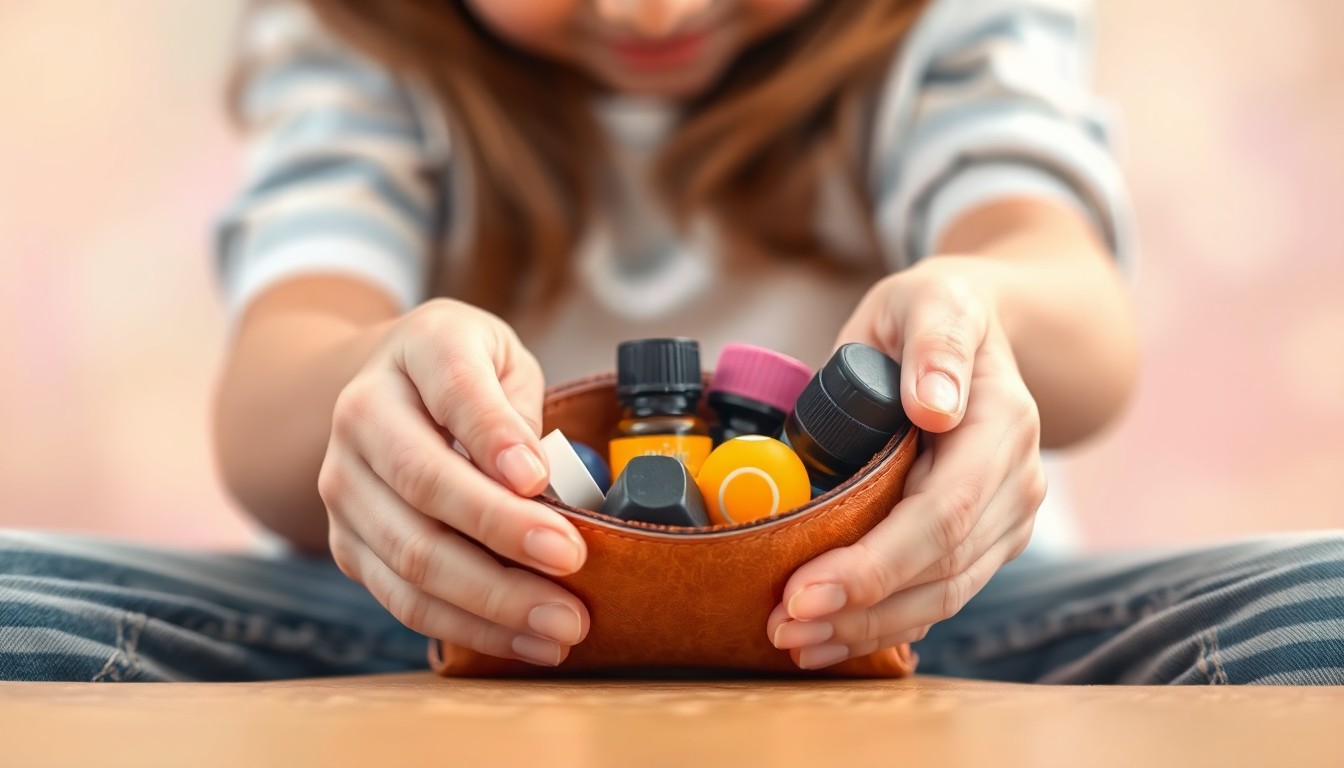 As mental health challenges rise, young workers are assembling personalized 'anxiety bags' to discreetly manage stress and panic at the office.Provo Today
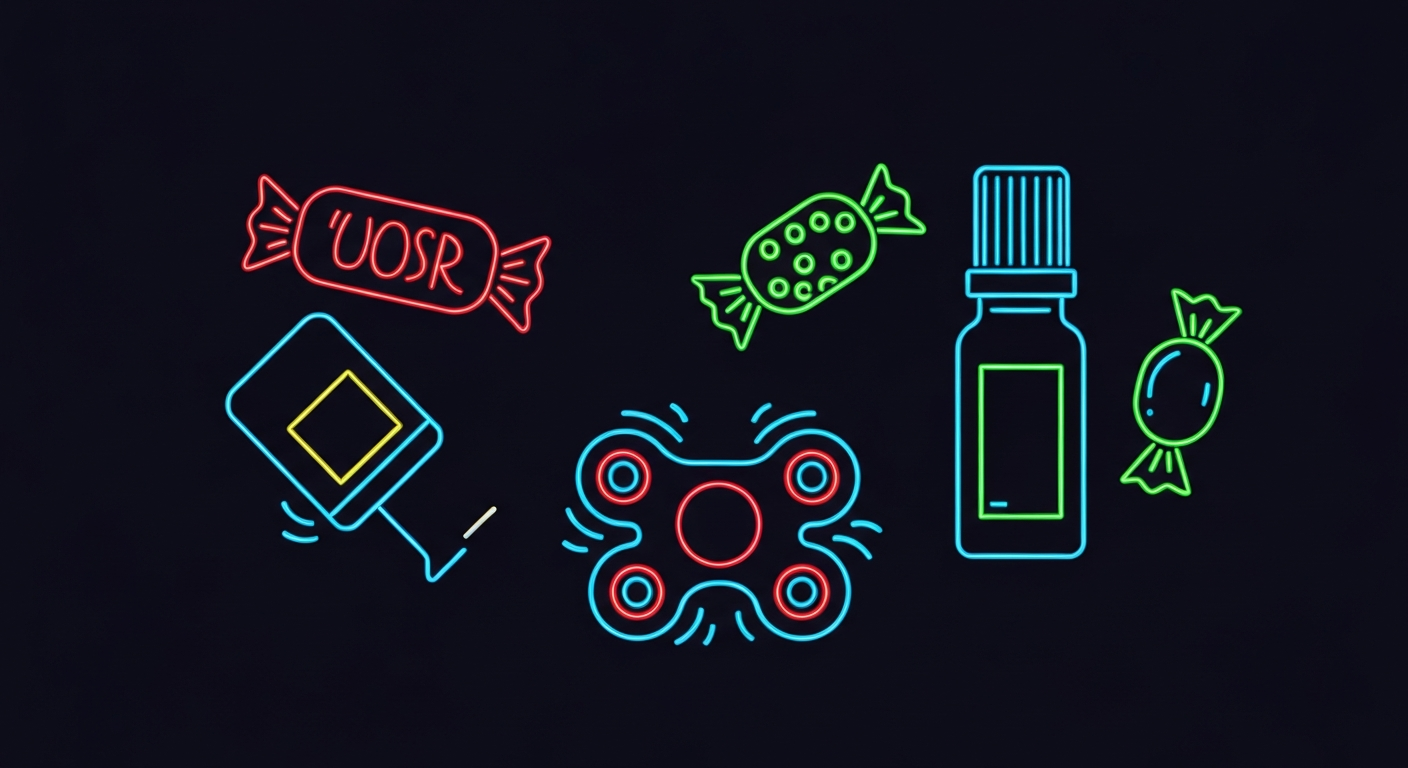
Hannah Fowles, a 22-year-old from Provo, Utah, found herself spiraling with panic and racing thoughts after a stressful day at work. To cope, she has turned to carrying an 'anxiety bag' filled with items like fidget toys, essential oils, and breathing exercises to help calm her nerves when she feels overwhelmed.
Why it matters
As mental health challenges continue to rise, especially among younger generations, the 'anxiety bag' trend reflects a growing need for accessible coping mechanisms that can be used discreetly in the workplace and daily life. This shift highlights the mental health struggles many young professionals face and the innovative ways they are taking control of their wellbeing.
The details
Fowles and other Gen Z workers are assembling 'anxiety bags' - small pouches or bags filled with tools to help manage stress and anxiety. Common items include fidget toys, essential oils, breathing exercises, and calming affirmations. These bags allow people to quickly access coping strategies when they feel overwhelmed, without drawing unwanted attention.
- Fowles started carrying an 'anxiety bag' after a particularly stressful day at work in early 2026.
The players
Hannah Fowles
A 22-year-old from Provo, Utah who carries an 'anxiety bag' to help manage stress and panic at work.
What they’re saying
“I was starting to get super overheated and I couldn't calm myself down,”
— Hannah Fowles
The takeaway
The rise of 'anxiety bags' reflects a growing awareness and acceptance around mental health challenges, especially for younger generations entering the workforce. As employers continue to grapple with supporting employee wellbeing, these personalized coping tools offer a discreet way for workers to take charge of their own mental health.