- Today
- Holidays
- Birthdays
- Reminders
- Cities
- Atlanta
- Austin
- Baltimore
- Berwyn
- Beverly Hills
- Birmingham
- Boston
- Brooklyn
- Buffalo
- Charlotte
- Chicago
- Cincinnati
- Cleveland
- Columbus
- Dallas
- Denver
- Detroit
- Fort Worth
- Houston
- Indianapolis
- Knoxville
- Las Vegas
- Los Angeles
- Louisville
- Madison
- Memphis
- Miami
- Milwaukee
- Minneapolis
- Nashville
- New Orleans
- New York
- Omaha
- Orlando
- Philadelphia
- Phoenix
- Pittsburgh
- Portland
- Raleigh
- Richmond
- Rutherford
- Sacramento
- Salt Lake City
- San Antonio
- San Diego
- San Francisco
- San Jose
- Seattle
- Tampa
- Tucson
- Washington
Green River Today
By the People, for the People
Green River Mystery: How a River Appears to Flow Uphill Through Utah Mountains
Geologists have solved the long-standing puzzle of the Green River's unusual path through the Uinta Mountains.
Mar. 3, 2026 at 7:47am
Got story updates? Submit your updates here. ›
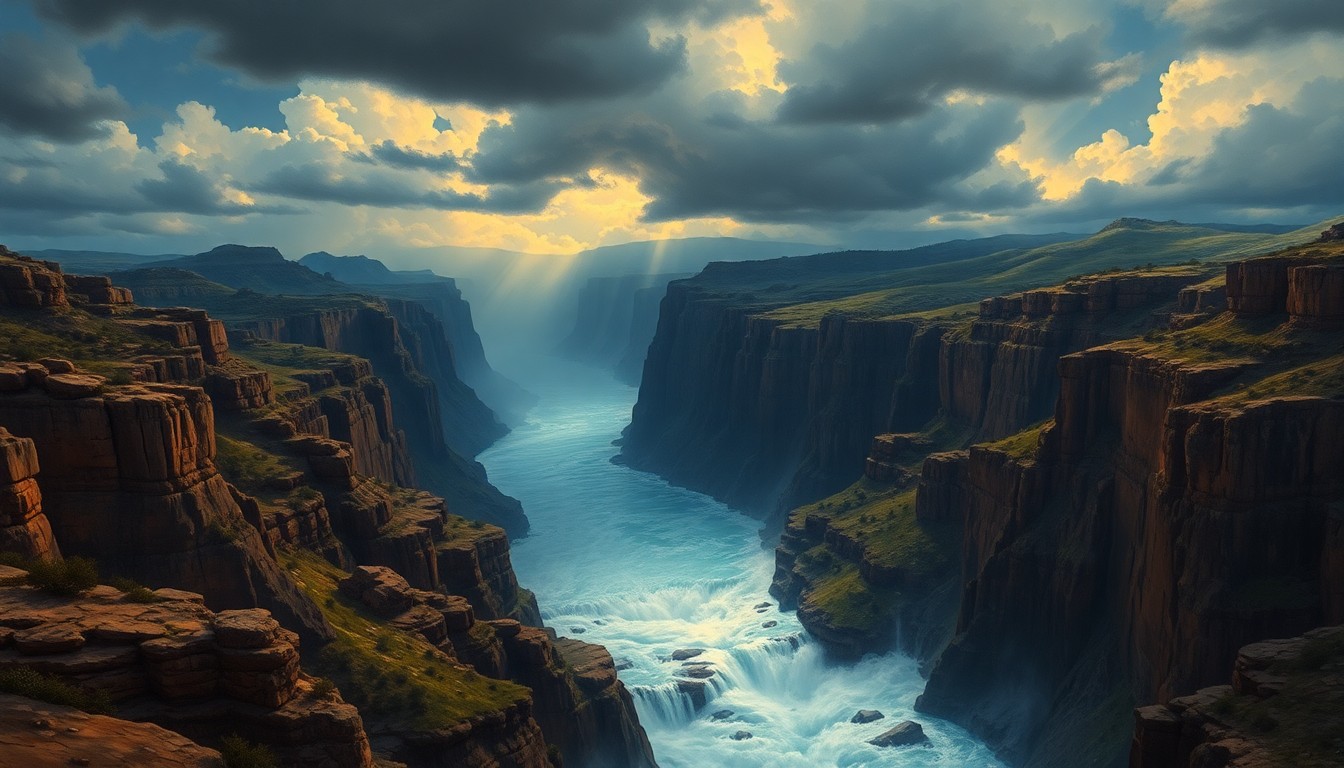
Geologists have confirmed a long-standing mystery surrounding the Green River in Utah and Colorado: the river's unusual course directly through the Uinta Mountains, rather than around them. New research suggests the river's seemingly uphill flow occurred because the mountains temporarily subsided due to a geological process called lithospheric drip, rather than water flowing upwards.
Why it matters
This discovery highlights the profound connection between Earth's deep interior processes and surface landscapes, and how these processes can dramatically alter river courses and shape continental divides. The merging of the Green and Colorado Rivers millions of years ago altered the continental divide of North America, creating new habitat boundaries and influencing wildlife evolution.
The details
The Green River, the largest tributary of the Colorado River, flows for hundreds of kilometers through Wyoming and Utah before converging at Canyonlands National Park. Viewed on a map, its course appears to ascend directly into the Uinta Mountain range. Researchers now assert that the river isn't defying gravity, but rather responding to a dramatic, albeit temporary, shift in the landscape caused by a geological process called lithospheric drip. This process involves dense material at the base of Earth's crust slowly sinking into the mantle, causing a temporary lowering of the land surface above before it rebounds.
- The sinking of the dense material occurred between 2 and 5 million years ago, coinciding with the period when the Green River likely began carving its path through the mountains and connecting with the Colorado River.
The players
Dr. Adam Smith
A researcher at the School of Geographical & Earth Sciences, University of Glasgow.
John Wesley Powell
An explorer and geologist who first noted the Green River's anomalous path through the Uinta Mountains in the late 19th century.
What they’re saying
“For around 150 years now, geologists have debated how the river became established, which is a challenging question in a region that is not tectonically active. We think we've gathered enough evidence to show that lithospheric drip pulled the land down enough to allow the river to connect and become established.”
— Dr. Adam Smith, Researcher
The takeaway
This discovery demonstrates the profound impact that deep geological processes can have on surface landscapes, altering the course of rivers and even shifting continental divides. It highlights the complex interplay between Earth's interior and exterior, and how studying these connections can shed light on the evolution of our planet.