- Today
- Holidays
- Birthdays
- Reminders
- Cities
- Atlanta
- Austin
- Baltimore
- Berwyn
- Beverly Hills
- Birmingham
- Boston
- Brooklyn
- Buffalo
- Charlotte
- Chicago
- Cincinnati
- Cleveland
- Columbus
- Dallas
- Denver
- Detroit
- Fort Worth
- Houston
- Indianapolis
- Knoxville
- Las Vegas
- Los Angeles
- Louisville
- Madison
- Memphis
- Miami
- Milwaukee
- Minneapolis
- Nashville
- New Orleans
- New York
- Omaha
- Orlando
- Philadelphia
- Phoenix
- Pittsburgh
- Portland
- Raleigh
- Richmond
- Rutherford
- Sacramento
- Salt Lake City
- San Antonio
- San Diego
- San Francisco
- San Jose
- Seattle
- Tampa
- Tucson
- Washington
CHRISTUS Health Trials New Atrial Fibrillation Treatment
Tyler hospital among first to offer experimental procedure for heart condition.
Apr. 7, 2026 at 1:40am
Got story updates? Submit your updates here. ›
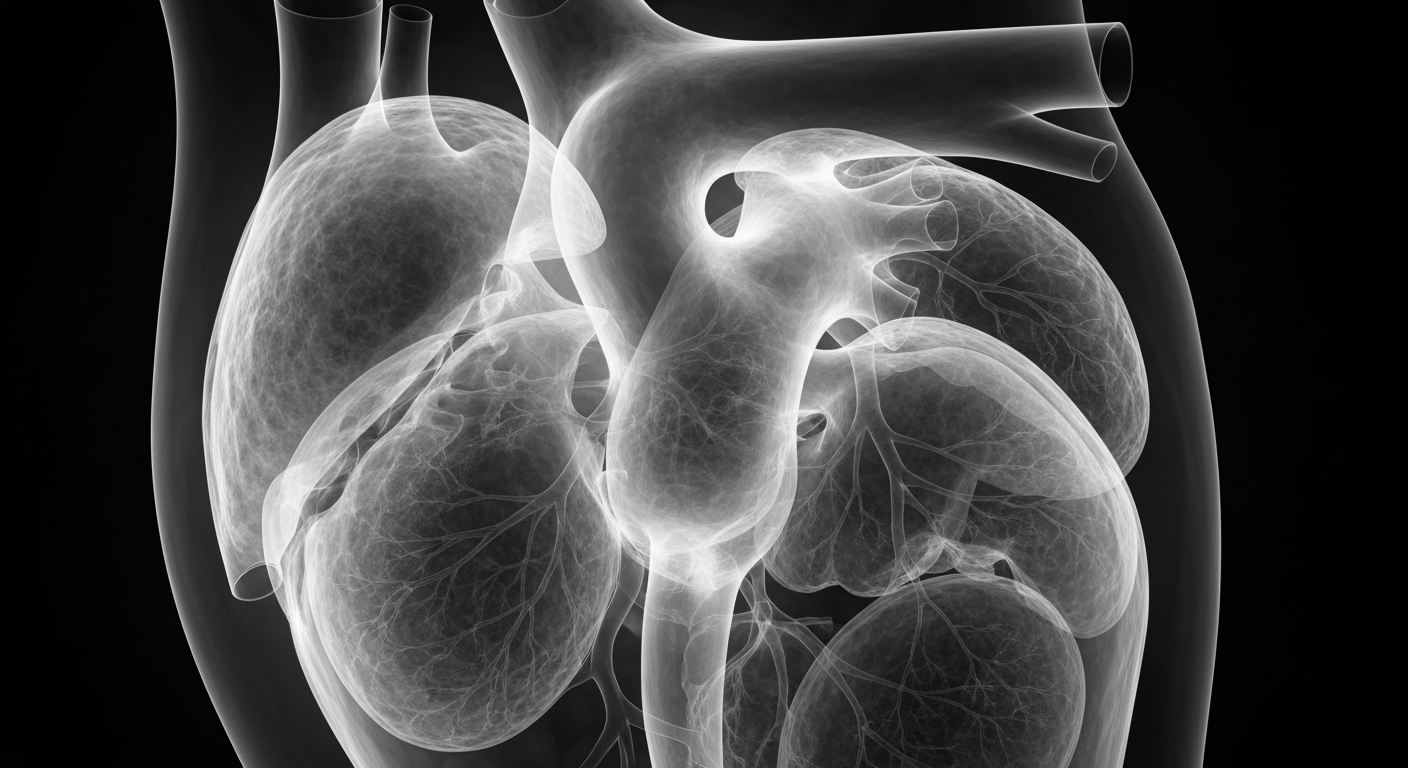 A new experimental treatment at CHRISTUS Health aims to disrupt the abnormal electrical signals that cause atrial fibrillation, a common heart rhythm disorder.Tyler Today
The CHRISTUS Health Louis and Peaches Owen Heart Hospital in Tyler, Texas is one of the first medical facilities in the country to offer a new experimental treatment for atrial fibrillation, a common heart rhythm disorder.
Why it matters
Atrial fibrillation affects millions of Americans and can lead to serious complications like stroke if left untreated. This new procedure represents a potential breakthrough in managing the condition, which could improve outcomes for many patients.
The details
The experimental treatment involves a minimally invasive procedure that uses radiofrequency energy to create scar tissue and block abnormal electrical signals in the heart that cause atrial fibrillation. CHRISTUS Health is one of a select group of hospitals participating in clinical trials to evaluate the safety and effectiveness of this new approach.
- The CHRISTUS Health Louis and Peaches Owen Heart Hospital began offering the experimental atrial fibrillation treatment in April 2026.
The players
CHRISTUS Health
A non-profit Catholic health system that operates hospitals and clinics across Texas, Louisiana, and New Mexico.
Louis and Peaches Owen Heart Hospital
A specialized cardiac care facility in Tyler, Texas that is part of the CHRISTUS Health network.
What’s next
The clinical trials for the new atrial fibrillation treatment are expected to continue for several more years as researchers gather data on its long-term safety and efficacy.
The takeaway
This innovative procedure represents an important step forward in the treatment of atrial fibrillation, a condition that affects millions. If proven successful, it could provide a new option for patients struggling with this common heart rhythm disorder.