- Today
- Holidays
- Birthdays
- Reminders
- Cities
- Atlanta
- Austin
- Baltimore
- Berwyn
- Beverly Hills
- Birmingham
- Boston
- Brooklyn
- Buffalo
- Charlotte
- Chicago
- Cincinnati
- Cleveland
- Columbus
- Dallas
- Denver
- Detroit
- Fort Worth
- Houston
- Indianapolis
- Knoxville
- Las Vegas
- Los Angeles
- Louisville
- Madison
- Memphis
- Miami
- Milwaukee
- Minneapolis
- Nashville
- New Orleans
- New York
- Omaha
- Orlando
- Philadelphia
- Phoenix
- Pittsburgh
- Portland
- Raleigh
- Richmond
- Rutherford
- Sacramento
- Salt Lake City
- San Antonio
- San Diego
- San Francisco
- San Jose
- Seattle
- Tampa
- Tucson
- Washington
Texas City Today
By the People, for the People
Federal Climate Cuts Threaten Polar Vortex Research and Winter Storm Predictions
Crucial climate science funding faces potential reductions, jeopardizing our ability to understand and prepare for extreme winter weather events.
Apr. 10, 2026 at 3:10am
Got story updates? Submit your updates here. ›
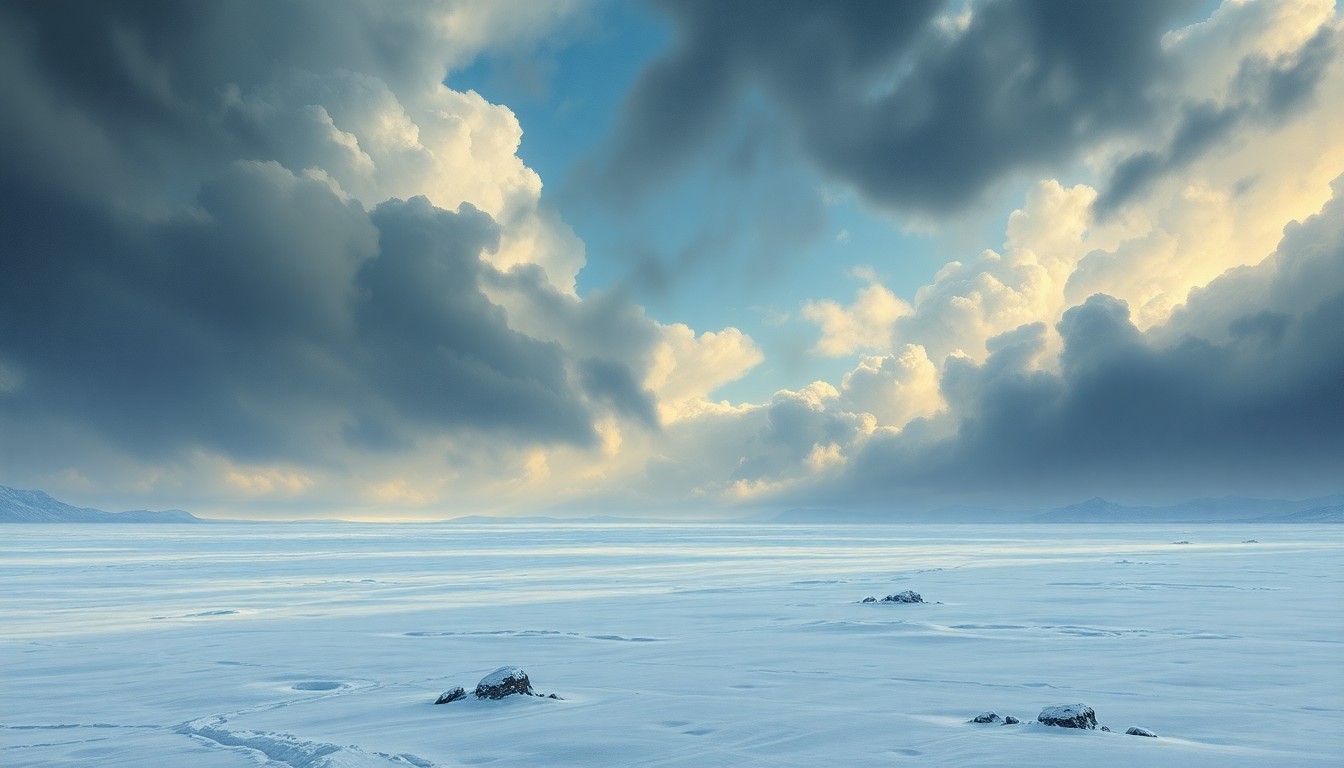 As the climate crisis intensifies, the need for robust funding of polar vortex research has never been more critical.Texas City Today
As a major winter storm blankets much of the United States, scientists warn that federal funding cuts threaten crucial research into the polar vortex and its connection to climate change. This research is vital for improving weather forecasting and protecting communities from the devastating impacts of severe cold snaps, as seen in the 2021 Texas power grid failure. However, proposals to reduce budgets for key agencies like NASA, NOAA, and the NSF could hinder progress in this critical area of climate science.
Why it matters
Understanding the behavior of the polar vortex and its relationship to global warming is essential for saving lives and protecting critical infrastructure during extreme winter weather events. Accurate weather predictions allow communities to prepare for dangerous conditions, but this forecasting ability relies on continued federal funding for climate research.
The details
The polar vortex is a powerful, high-altitude air current that normally acts as a barrier, keeping frigid Arctic air locked up in the polar regions. However, when this jet stream weakens and becomes wavy, the cold air can spill southward, creating the dangerous conditions of a polar vortex. Scientists are investigating whether climate change is contributing to a more erratic jet stream, potentially leading to more frequent and severe cold snaps, even as overall global temperatures rise. But the very research needed to unravel this complex scientific puzzle is now under threat from proposed federal funding cuts.
- The devastating 2021 Texas winter storm, which resulted in at least 246 deaths due to widespread power failures, serves as a stark reminder of the vulnerabilities communities face during polar vortex events.
- Recent proposals from the Trump administration have aimed to significantly reduce funding for much of the vital climate research conducted by federal agencies like NASA and NOAA, as well as federally funded research institutions.
The players
NASA
The National Aeronautics and Space Administration, a U.S. government agency responsible for the civilian space program, aeronautics, and space research.
NOAA
The National Oceanic and Atmospheric Administration, a scientific agency within the United States Department of Commerce that focuses on the conditions of the oceans, major waterways, and the atmosphere.
NSF
The National Science Foundation, an independent agency of the United States government that supports fundamental research and education in all the non-medical fields of science and engineering.
NCAR
The National Center for Atmospheric Research, a federally funded research and development center devoted to service, research, and education in the atmospheric and related sciences.
Kevin Reed
A climate scientist at Stony Brook University who emphasizes the importance of accurate weather predictions for various aspects of society.
What they’re saying
“Accurate predictions are essential for everything from logistics and shipping to urban planning, home construction, disaster preparedness, and the development of transportation systems.”
— Kevin Reed, Climate Scientist, Stony Brook University
What’s next
The proposed restructuring of the National Center for Atmospheric Research (NCAR) also raises concerns about the future of this critical research, and the scientific community is closely monitoring the situation to ensure that funding for polar vortex and climate change studies is maintained.
The takeaway
As the United States faces increasingly unpredictable and severe winter weather patterns, it is crucial that the federal government continues to invest in the scientific research needed to understand the complex relationship between climate change and extreme cold events. Cutting funding for these vital programs could jeopardize our ability to protect communities and save lives.