- Today
- Holidays
- Birthdays
- Reminders
- Cities
- Atlanta
- Austin
- Baltimore
- Berwyn
- Beverly Hills
- Birmingham
- Boston
- Brooklyn
- Buffalo
- Charlotte
- Chicago
- Cincinnati
- Cleveland
- Columbus
- Dallas
- Denver
- Detroit
- Fort Worth
- Houston
- Indianapolis
- Knoxville
- Las Vegas
- Los Angeles
- Louisville
- Madison
- Memphis
- Miami
- Milwaukee
- Minneapolis
- Nashville
- New Orleans
- New York
- Omaha
- Orlando
- Philadelphia
- Phoenix
- Pittsburgh
- Portland
- Raleigh
- Richmond
- Rutherford
- Sacramento
- Salt Lake City
- San Antonio
- San Diego
- San Francisco
- San Jose
- Seattle
- Tampa
- Tucson
- Washington
High-Tech Magnets Offer New Hope for Veterans Battling Combat PTSD
Robotic brain stimulation combined with therapy shows lasting benefits for those with severe PTSD.
Apr. 10, 2026 at 7:00pm
Got story updates? Submit your updates here. ›
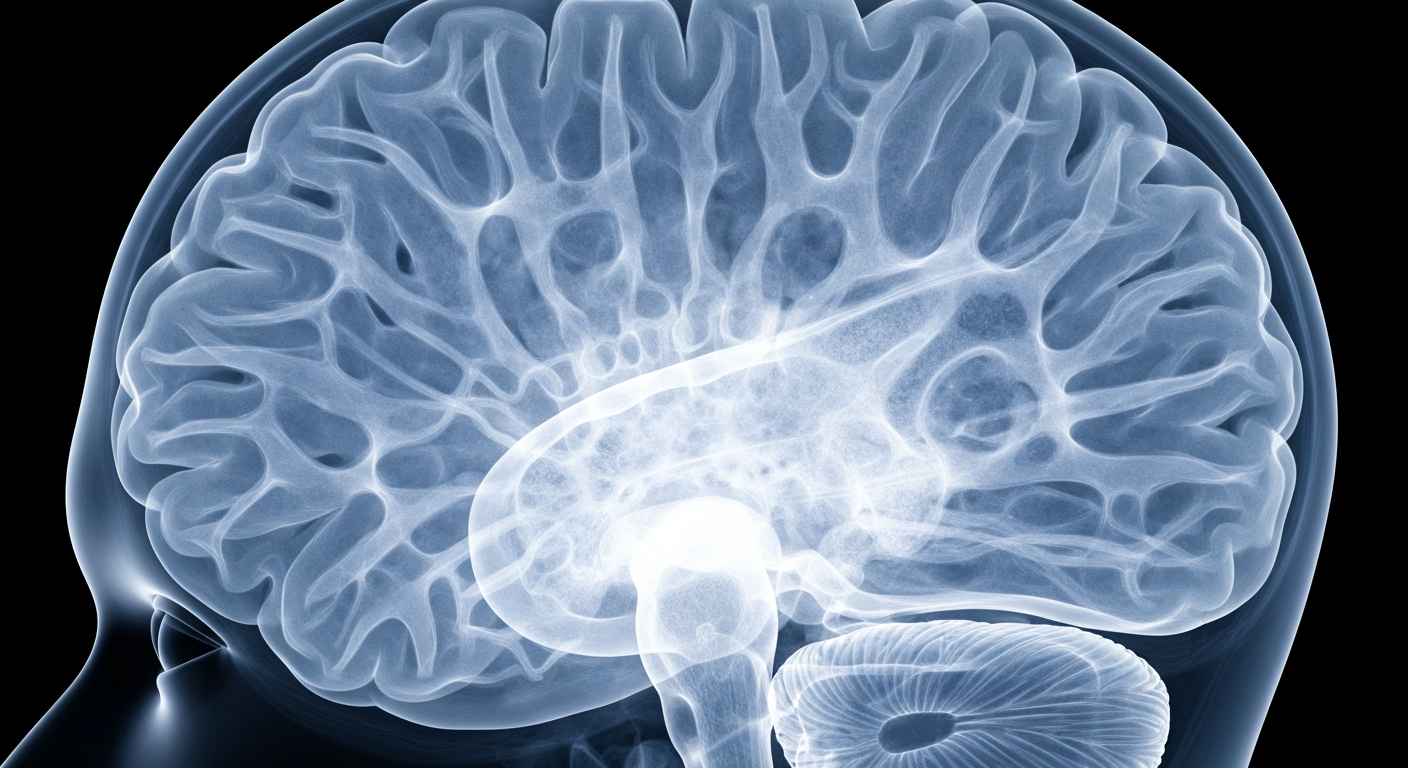 Cutting-edge brain imaging technology is unlocking new possibilities for treating the hidden wounds of combat-related PTSD.San Antonio Today
A new study from UT Health San Antonio found that adding robotic, MRI-guided brain stimulation to standard PTSD treatment can significantly improve recovery for veterans and active-duty military members suffering from severe combat-related post-traumatic stress disorder (PTSD). The treatment, called navigated transcranial magnetic stimulation (TMS), helped 85% of participants show significant symptom relief after one month, with 73% continuing to do well three months later.
Why it matters
PTSD is a debilitating condition that affects hundreds of thousands of veterans, and traditional treatments like talk therapy and medication often fall short. This new approach using high-tech brain stimulation offers hope for a more effective and longer-lasting solution to help those struggling with the hidden wounds of combat.
The details
The study tested navigated TMS, which uses MRI scans and a robotic arm to deliver precise magnetic pulses to the exact spot in a patient's brain that needs help. This resets the brain networks responsible for the "fight or flight" response. Participants received the TMS treatment seven days a week for up to 20 sessions, in addition to 30 days of intensive residential treatment with psychotherapy.
- The study was published on April 7, 2026.
- Participants received the TMS treatment for up to 20 sessions over 30 days.
The players
UT Health San Antonio
A public research university in San Antonio, Texas that conducted the study on navigated TMS for combat-related PTSD.
Dr. Peter Fox
The director of the Research Imaging Institute at UT Health San Antonio and a lead researcher on the study.
Alan Peterson
The director of the Consortium to Alleviate PTSD, a longstanding research initiative to advance the diagnosis and treatment of PTSD.
What they’re saying
“This personalized targeting strategy likely underlies the treatment effects seen in this study.”
— Dr. Peter Fox, Director of the Research Imaging Institute at UT Health San Antonio
“As we continue to strive for additional ways to improve PTSD care and help more people recover, these study findings give us another valuable tool in the clinician's toolbox.”
— Alan Peterson, Director of the Consortium to Alleviate PTSD
What’s next
Researchers said the study may pave the way for navigated TMS to become a standard part of veteran care for PTSD, as it is not yet officially approved for that use. Further research and clinical trials will be needed to solidify its efficacy and secure regulatory approval.
The takeaway
This innovative approach using high-tech brain stimulation offers a promising new avenue to help veterans and active-duty military members struggling with the debilitating effects of combat-related PTSD, providing more effective and longer-lasting relief than traditional treatments alone.
San Antonio top stories



San Antonio events

Apr. 11, 2026
Disney On Ice presents Jump In!
Apr. 11, 2026
Disney On Ice presents Jump In!
Apr. 11, 2026
Disney On Ice presents Jump In!