- Today
- Holidays
- Birthdays
- Reminders
- Cities
- Atlanta
- Austin
- Baltimore
- Berwyn
- Beverly Hills
- Birmingham
- Boston
- Brooklyn
- Buffalo
- Charlotte
- Chicago
- Cincinnati
- Cleveland
- Columbus
- Dallas
- Denver
- Detroit
- Fort Worth
- Houston
- Indianapolis
- Knoxville
- Las Vegas
- Los Angeles
- Louisville
- Madison
- Memphis
- Miami
- Milwaukee
- Minneapolis
- Nashville
- New Orleans
- New York
- Omaha
- Orlando
- Philadelphia
- Phoenix
- Pittsburgh
- Portland
- Raleigh
- Richmond
- Rutherford
- Sacramento
- Salt Lake City
- San Antonio
- San Diego
- San Francisco
- San Jose
- Seattle
- Tampa
- Tucson
- Washington
South Texas Law Enforcement Trains to Uncover Clues from Explosion Damage
Investigators learn to decode post-blast evidence to advance criminal investigations
Apr. 6, 2026 at 11:06pm
Got story updates? Submit your updates here. ›
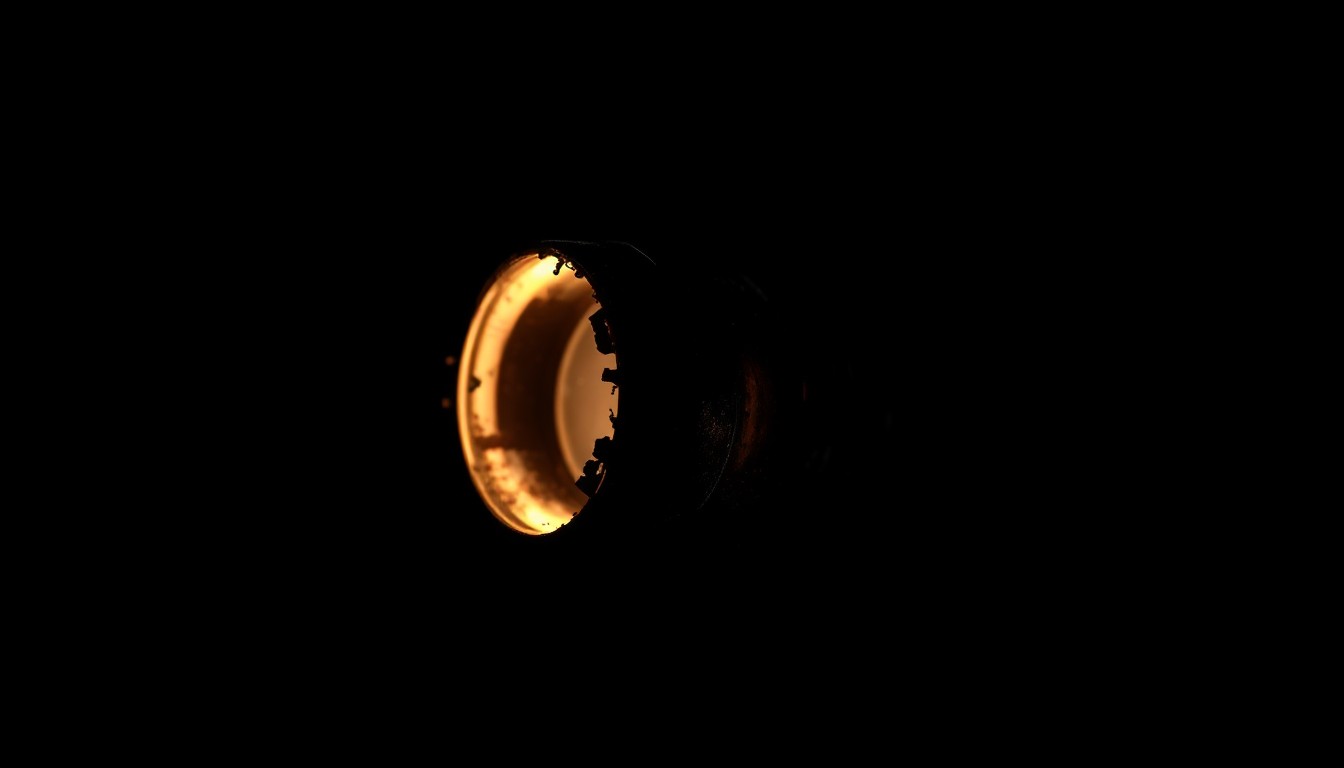 Investigators scour the aftermath of an explosion, searching for the smallest clues that can help unravel the mystery and bring the perpetrators to justice.San Antonio Today
Law enforcement agencies across Texas are training on how to turn the chaos of an explosion scene into critical evidence that can help track down suspects. During a recent training in San Antonio, bomb technicians and investigators focused on post-blast response, learning to identify even the smallest details like wiring fragments, power sources, and triggering mechanisms that can provide clues about the type of device used and point them in the right direction.
Why it matters
Understanding the aftermath of an explosion is just as important as prevention efforts, according to officials. Investigators have cited past cases like the Austin serial bombings, where evidence recovered from blast scenes played a key role in identifying how devices were built and advancing the investigation.
The details
During the training, controlled explosions demonstrated how even small amounts of explosives can cause significant damage. But beyond the destruction, each blast leaves behind a trail of evidence that investigators are trained to meticulously document and analyze. They look for fragments of wiring, power sources, and triggering mechanisms that can reveal details about the device, such as whether it was triggered by a garage door opener or a battery.
- The training was held on Monday in San Antonio's south side.
The players
Travis Gates
A special agent bomb technician with the Texas Explosives Taskforce and the ATF Houston Field Division.
Mike Weddel
The special agent in charge of the ATF Houston Field Division.
What they’re saying
“This class is used as a way to combat terrorism and the criminal use of explosives in Texas.”
— Travis Gates, Special agent bomb technician
“It led to recovery components of the device, identifying that device, and how it was built.”
— Mike Weddel, Special agent in charge
The takeaway
This training highlights the importance of not just preventing explosive attacks, but also thoroughly investigating the aftermath to uncover critical evidence that can help bring perpetrators to justice. By learning to meticulously document even the smallest details at a blast scene, law enforcement can turn chaos into clues that advance criminal investigations.
San Antonio top stories

San Antonio events

Apr. 6, 2026
San Antonio Spurs vs. Philadelphia 76ers
Apr. 7, 2026
San Antonio Missions vs. Corpus Christi Hooks
Apr. 7, 2026
Satx Open Mic