- Today
- Holidays
- Birthdays
- Reminders
- Cities
- Atlanta
- Austin
- Baltimore
- Berwyn
- Beverly Hills
- Birmingham
- Boston
- Brooklyn
- Buffalo
- Charlotte
- Chicago
- Cincinnati
- Cleveland
- Columbus
- Dallas
- Denver
- Detroit
- Fort Worth
- Houston
- Indianapolis
- Knoxville
- Las Vegas
- Los Angeles
- Louisville
- Madison
- Memphis
- Miami
- Milwaukee
- Minneapolis
- Nashville
- New Orleans
- New York
- Omaha
- Orlando
- Philadelphia
- Phoenix
- Pittsburgh
- Portland
- Raleigh
- Richmond
- Rutherford
- Sacramento
- Salt Lake City
- San Antonio
- San Diego
- San Francisco
- San Jose
- Seattle
- Tampa
- Tucson
- Washington
San Antonio Settles with Former Poet Laureate Over Free Speech Lawsuit
NCLA reaches agreement with city after it fired Nephtalí De León for using Chicano term in elegy
Apr. 6, 2026 at 7:00pm
Got story updates? Submit your updates here. ›
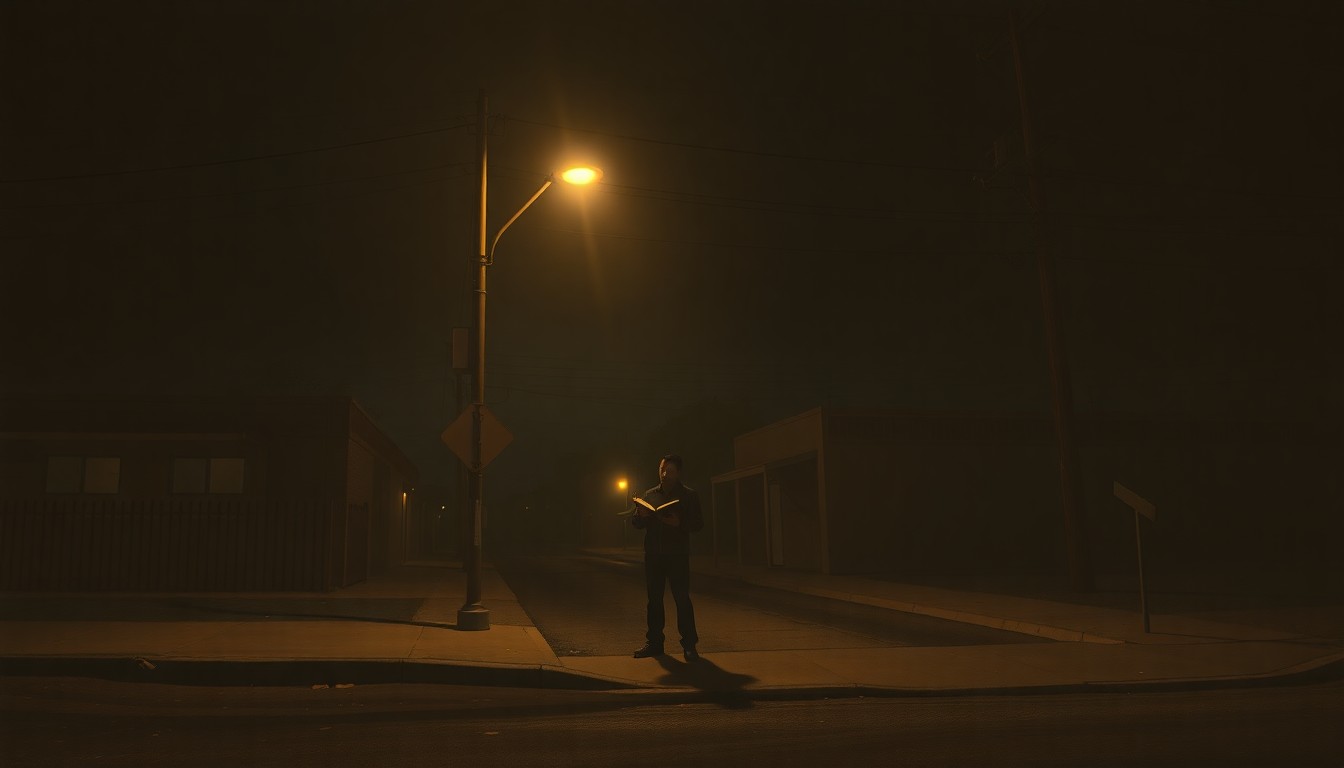 A settlement that allows a Chicano poet to honor his friend's legacy without accusations of racism reflects the nuances of free speech and cultural expression.San Antonio Today
The New Civil Liberties Alliance (NCLA) has reached a settlement in its lawsuit on behalf of Chicano writer and activist Nephtalí De León against the City of San Antonio. The lawsuit alleged the city fired De León from his position as City Poet Laureate and defamed him for using the Chicano Caló word 'mayates,' referring to Black people, in an elegy posted on Facebook honoring his late friend, Chicano writer Dr. Roberto 'Cintli' Rodriguez. Under the settlement, the city has paid De León more than his original laureate compensation, and the parties jointly stated they never intended to characterize any other party as racist.
Why it matters
This case highlights the ongoing tensions around free speech, cultural expression, and accusations of racism, particularly in the context of public arts and government positions. It raises questions about how cities should balance concerns over offensive language with protecting the First Amendment rights of artists and writers.
The details
NCLA's lawsuit argued the city engaged in viewpoint discrimination and First Amendment retaliation by firing De León. The 80-year-old Chicano poet used the term 'mayates' in an elegy honoring his late friend, Chicano writer Dr. Roberto 'Cintli' Rodriguez, who had dedicated his life to fighting racial injustice. De León did not use the term as a slur, but the city initially condemned him and terminated his position as Poet Laureate.
- On April 6, 2026, NCLA announced it had reached a settlement in the lawsuit.
- The elegy honoring Dr. Rodriguez was posted on Facebook prior to De León's termination as Poet Laureate.
The players
Nephtalí De León
An accomplished Chicano writer, artist, and activist who served as the City of San Antonio's Poet Laureate until he was fired for using the Chicano Caló word 'mayates' in an elegy.
City of San Antonio
The city government that terminated De León from his position as Poet Laureate and was sued by NCLA for alleged First Amendment violations.
Krystal Jones
The Executive Director of the City of San Antonio's Department of Arts and Culture, who was named as a defendant in the lawsuit alongside the city.
NCLA
The New Civil Liberties Alliance, a nonpartisan, nonprofit civil rights group that filed the lawsuit on behalf of De León and argued the city violated his First Amendment rights.
Dr. Roberto 'Cintli' Rodriguez
The late Chicano writer whom De León honored in the elegy that led to his termination as Poet Laureate.
What they’re saying
“There is a sad irony in the City's initial condemnation of an elegy written by an 80-year-old Chicano poet in his own language to honor the life of a friend who had dedicated his life to combatting, of all things, racial injustice. This settlement brings a welcome measure of justice for Nephtalí De León and for the decades he has spent advancing—and vibrantly celebrating—Chicano language and culture.”
— Casey Norman, Litigation Counsel, NCLA
“A rose by any other name would smell as sweet … a settlement that a poet is not a racist for using common terms in his language in eulogizing his friend is just as sweet as a court victory.”
— John Vecchione, Senior Litigation Counsel, NCLA
What’s next
The settlement allows De León to move forward and continue his creative work after this legal dispute.
The takeaway
This case highlights the ongoing challenges cities face in balancing free speech protections with concerns over offensive language, particularly when it comes to public arts positions and the expression of minority cultural identities. The settlement underscores the importance of nuance, context, and avoiding knee-jerk accusations of racism when evaluating the use of charged terms.
San Antonio top stories



San Antonio events

Apr. 7, 2026
San Antonio Missions vs. Corpus Christi Hooks
Apr. 7, 2026
Thursday w/ Chris Conley
Apr. 7, 2026
Satx Open Mic