- Today
- Holidays
- Birthdays
- Reminders
- Cities
- Atlanta
- Austin
- Baltimore
- Berwyn
- Beverly Hills
- Birmingham
- Boston
- Brooklyn
- Buffalo
- Charlotte
- Chicago
- Cincinnati
- Cleveland
- Columbus
- Dallas
- Denver
- Detroit
- Fort Worth
- Houston
- Indianapolis
- Knoxville
- Las Vegas
- Los Angeles
- Louisville
- Madison
- Memphis
- Miami
- Milwaukee
- Minneapolis
- Nashville
- New Orleans
- New York
- Omaha
- Orlando
- Philadelphia
- Phoenix
- Pittsburgh
- Portland
- Raleigh
- Richmond
- Rutherford
- Sacramento
- Salt Lake City
- San Antonio
- San Diego
- San Francisco
- San Jose
- Seattle
- Tampa
- Tucson
- Washington
Tourette's Syndrome Tics Cause Anguish and Controversy
Involuntary outbursts of offensive language can be jarring, but experts say isolating those with Tourette's is unfair.
Feb. 25, 2026 at 1:03am
Got story updates? Submit your updates here. ›
Emauni Crawley, a 23-year-old behavioral health coach with Tourette's syndrome, has a severe type of tic that results in her saying things that are obscene or inappropriate, like recently calling a co-worker a derogatory term. This issue took center stage at the BAFTAs when an audience member with Tourette's, John Davidson, involuntarily shouted a racist slur as actors Michael B. Jordan and Delroy Lindo presented an award. Tourette's is a neurodevelopmental disorder characterized by involuntary movements and sounds called tics, which can include profane or socially inappropriate outbursts known as coprolalia. While most cases are mild, managing these tics can be challenging, especially in high-pressure social situations.
Why it matters
Tourette's syndrome outbursts involving offensive language raise complex questions about how to balance accommodating those with the condition while also addressing the impact on others. Isolating people with Tourette's is seen as unfair, but the fallout from these involuntary tics can still be hurtful. This issue highlights the need for greater understanding and compassion around the realities of living with Tourette's.
The details
Emauni Crawley, a 23-year-old behavioral health coach with Tourette's, recently called a co-worker a derogatory term due to her severe tics. At the BAFTAs, audience member John Davidson, who has Tourette's, involuntarily shouted a racist slur as actors Michael B. Jordan and Delroy Lindo presented an award. Tourette's is a neurodevelopmental disorder characterized by tics, which can include profane or socially inappropriate outbursts known as coprolalia. About 10% of people with Tourette's experience coprolalia, which is not driven by personal beliefs but rather an involuntary neurological response. Managing these tics can be challenging, especially in high-pressure social situations.
- On Sunday, the incident occurred at the BAFTAs in the UK.
- Emauni Crawley's offensive outburst at work happened recently.
The players
Emauni Crawley
A 23-year-old behavioral health coach with Tourette's syndrome who has a severe type of tic that results in her saying obscene or inappropriate things, like recently calling a co-worker a derogatory term.
John Davidson
An audience member with Tourette's syndrome who involuntarily shouted a racist slur as actors Michael B. Jordan and Delroy Lindo presented an award at the BAFTAs.
Michael B. Jordan
An actor who was presenting an award at the BAFTAs when the incident with John Davidson occurred.
Delroy Lindo
An actor who was presenting an award at the BAFTAs when the incident with John Davidson occurred.
What they’re saying
“Your brain wants to say the worst things at the worst time in the worst places,”
— Emauni Crawley
“It's kind of like a mosquito bite — you have to scratch it.”
— Emauni Crawley
“It's such an honor to be up for an award on that high level. How could you walk away? You finally get an acknowledgment for who you are,”
— Kevin Garramone, writer in Portland, Ore. who has lived with Tourette's for 40 years
“After living with Tourette's for almost 40 years, I was aware of how physically and mentally difficult it would be for me to attend,”
— John Davidson
What’s next
The judge in the case will decide on Tuesday whether or not to allow Walker Reed Quinn out on bail.
The takeaway
This case highlights growing concerns in the community about repeat offenders released on bail, raising questions about bail reform, public safety on SF streets, and if any special laws to govern autonomous vehicles in residential and commercial areas.
San Antonio top stories


San Antonio events
Apr. 8, 2026
Hot Damn! with Patrick Christopher
Apr. 8, 2026
San Antonio Spurs vs. Portland Trail Blazers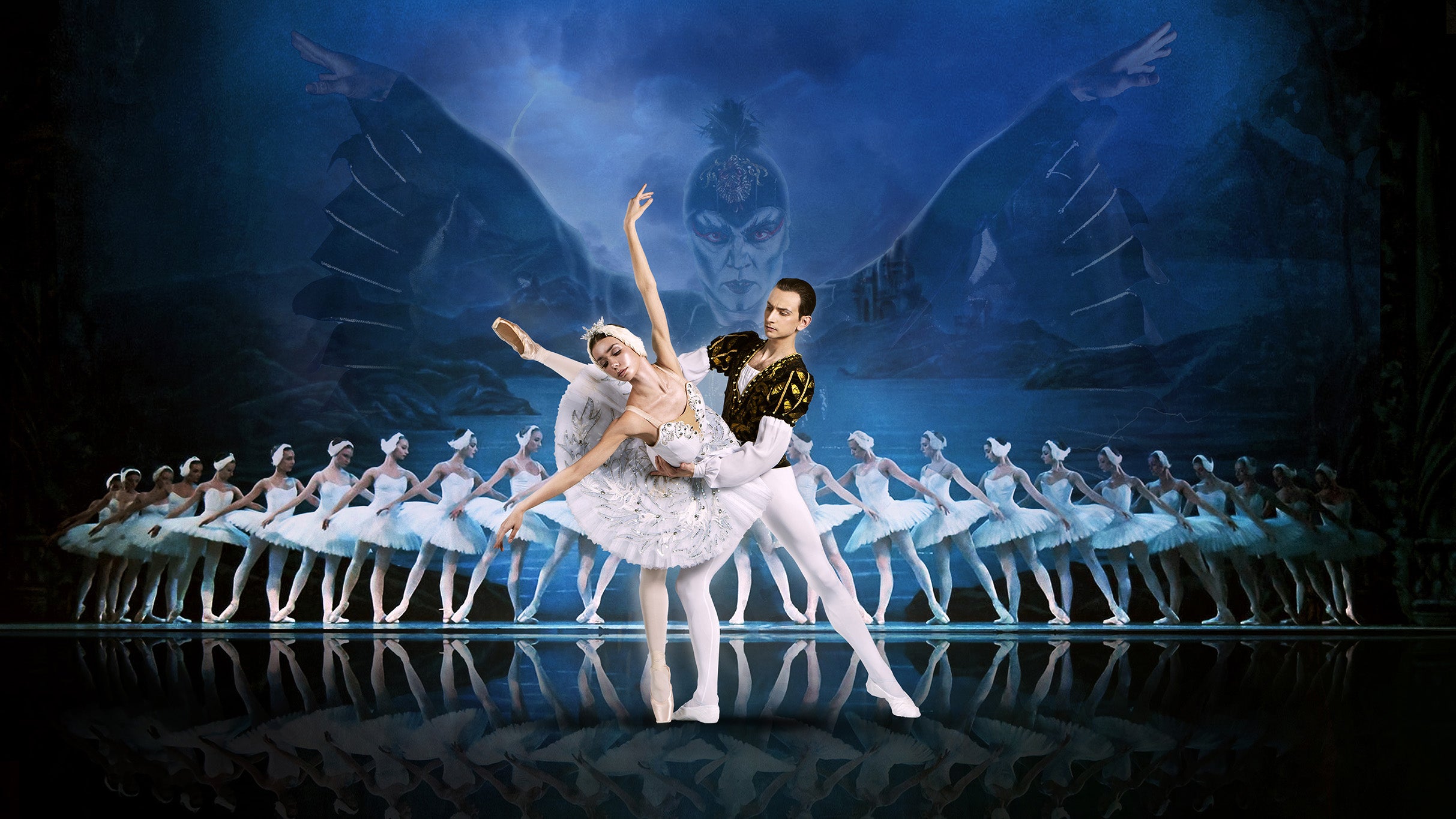
Apr. 8, 2026
Swan Lake by International Ballet Stars