- Today
- Holidays
- Birthdays
- Reminders
- Cities
- Atlanta
- Austin
- Baltimore
- Berwyn
- Beverly Hills
- Birmingham
- Boston
- Brooklyn
- Buffalo
- Charlotte
- Chicago
- Cincinnati
- Cleveland
- Columbus
- Dallas
- Denver
- Detroit
- Fort Worth
- Houston
- Indianapolis
- Knoxville
- Las Vegas
- Los Angeles
- Louisville
- Madison
- Memphis
- Miami
- Milwaukee
- Minneapolis
- Nashville
- New Orleans
- New York
- Omaha
- Orlando
- Philadelphia
- Phoenix
- Pittsburgh
- Portland
- Raleigh
- Richmond
- Rutherford
- Sacramento
- Salt Lake City
- San Antonio
- San Diego
- San Francisco
- San Jose
- Seattle
- Tampa
- Tucson
- Washington
Rio Grande City Today
By the People, for the People
Extreme Weather Hits US as Seasons Clash
Blizzards, heat waves, and other wild weather events strike across the country in mid-March.
Mar. 17, 2026 at 1:00am
Got story updates? Submit your updates here. ›
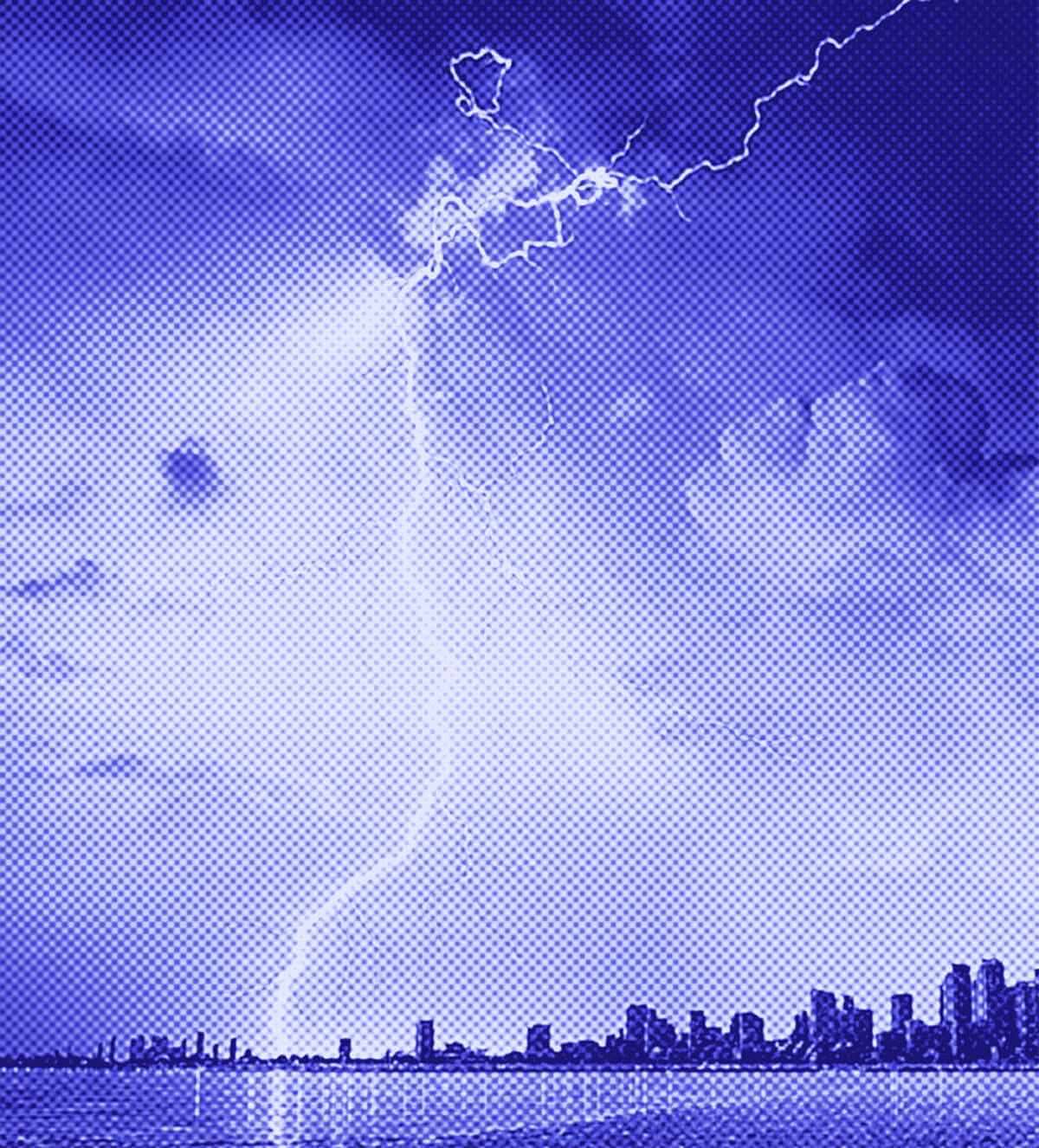
Nearly every type of extreme weather, from blizzards and damaging winds to unprecedented heat waves and heavy rain, hit parts of the United States on Monday as the normal seasonal changes collided with a jet stream gone awry and the effects of climate change. Meteorologists said the combination of weather events was highly unusual for mid-March.
Why it matters
The extreme weather events highlight how climate change is disrupting normal seasonal patterns and leading to more frequent and intense weather extremes across the country. The combination of these events poses significant risks to public safety, infrastructure, and the environment.
The details
A blizzard dumped feet of snow around the Great Lakes, while damaging high winds and the threat of tornadoes moved across the Eastern US, followed by Arctic cold. An unprecedented heat wave is building in the Southwest, with forecasts of temperatures potentially reaching 107°F or higher in Phoenix. Immense rainfall of over 2 feet continued in Hawaii, and a large wildfire is burning in Nebraska as drought persists across more than half the nation.
- The extreme weather events all occurred on Monday, March 17, 2026.
- The heat wave in the Southwest is expected to last for five straight days.
The players
AccuWeather
A commercial weather forecasting company that provides weather-related products and services.
Climate Central
A non-profit science and news organization that analyzes and reports on climate change.
Michael Mann
A climate scientist at the University of Pennsylvania who has studied the connection between climate change and extreme weather patterns.
Jennifer Francis
A climate scientist at the Woodwell Climate Research Center who has researched the influence of climate change on the jet stream and extreme weather.
Jeff Masters
A meteorologist with Yale Climate Connections who has analyzed the impacts of climate change on weather patterns.
What they’re saying
“We really have most types of extreme weather across the U.S. here in mid-March.”
— Dan DePodwin, Meteorologist and Vice President of Forecast Operations, AccuWeather
“While March is known for wild weather, this pattern is a doozy.”
— Jennifer Francis, Climate Scientist, Woodwell Climate Research Center
“The extremity is so ridiculous that 50 years ago you would not have seen it.”
— Jeff Masters, Meteorologist, Yale Climate Connections
What’s next
Meteorologists expect the most extreme weather, including the record-breaking heat wave in the Southwest, to continue over the next few days.
The takeaway
The combination of extreme weather events hitting the US simultaneously highlights how climate change is disrupting normal seasonal patterns and leading to more frequent and intense weather extremes that pose significant risks to public safety, infrastructure, and the environment.