- Today
- Holidays
- Birthdays
- Reminders
- Cities
- Atlanta
- Austin
- Baltimore
- Berwyn
- Beverly Hills
- Birmingham
- Boston
- Brooklyn
- Buffalo
- Charlotte
- Chicago
- Cincinnati
- Cleveland
- Columbus
- Dallas
- Denver
- Detroit
- Fort Worth
- Houston
- Indianapolis
- Knoxville
- Las Vegas
- Los Angeles
- Louisville
- Madison
- Memphis
- Miami
- Milwaukee
- Minneapolis
- Nashville
- New Orleans
- New York
- Omaha
- Orlando
- Philadelphia
- Phoenix
- Pittsburgh
- Portland
- Raleigh
- Richmond
- Rutherford
- Sacramento
- Salt Lake City
- San Antonio
- San Diego
- San Francisco
- San Jose
- Seattle
- Tampa
- Tucson
- Washington
Port Arthur Today
By the People, for the People
Valero Refinery Blast Emitted Over 157,000 Pounds of Chemicals
State report reveals the incident lasted more than 10 days, raising health concerns for nearby residents.
Apr. 7, 2026 at 3:36am
Got story updates? Submit your updates here. ›
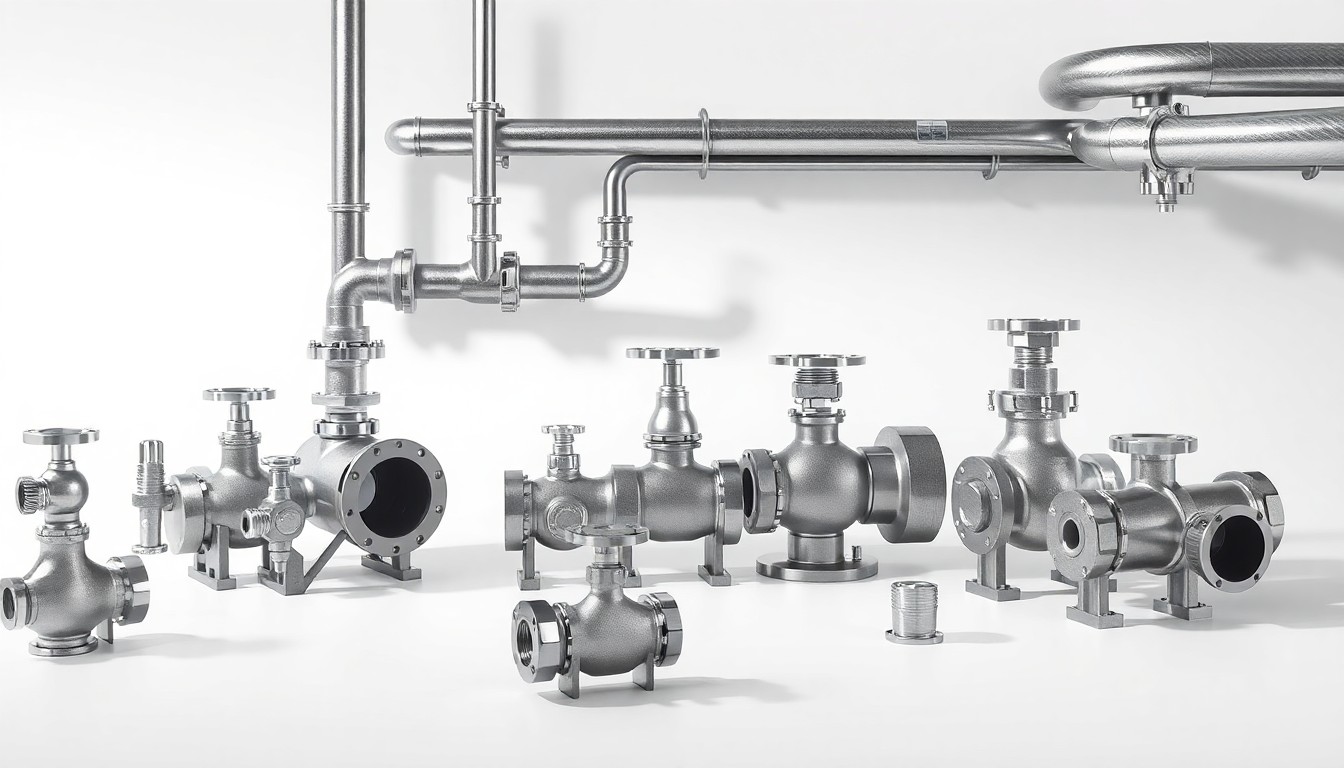
 A somber still life of industrial equipment and materials, symbolizing the complex issues of environmental accountability and public health at the heart of the Valero refinery incident.Port Arthur Today
A new report from the Texas Commission on Environmental Quality has found that the March 23 explosion and fire at the Valero refinery in Port Arthur, Texas released over 157,000 pounds of chemicals into the air over a period of more than 10 days. The prolonged emissions included substances like benzene, ethylene, carbon monoxide, and nitrogen oxides, which can pose serious health risks to nearby residents.
Why it matters
The extended duration and large volume of pollutants released during the Valero refinery incident has raised significant concerns from environmental health advocates about the potential impacts on the surrounding community. The lack of transparency around the root cause of the incident also makes it difficult to hold the facility accountable and ensure proper safety measures are in place to prevent future occurrences.
The details
According to the state report, the incident began on March 23 when a release of fluid in the diesel hydrotreater caused multiple process unit upsets, ultimately leading to a fire. The emissions lasted for over 244 hours, or more than 10 days, with much of the pollution released through flaring, a safety process used to burn off excess hydrocarbons. The report identified additional chemicals released during the event, including benzene, ethylene, carbon monoxide and nitrogen oxides - all substances that can pose health risks to nearby residents.
- The incident began on March 23, 2026.
- The emissions lasted for over 244 hours, or more than 10 days.
The players
Texas Commission on Environmental Quality
The state environmental agency that released the final air emissions event report on the Valero refinery incident.
Valero
The company that operates the refinery in Port Arthur, Texas where the explosion and fire occurred.
Matthew Tejada
The senior vice president for environmental health at the Natural Resources Defense Council, who expressed concerns about the prolonged emissions and lack of transparency around the incident.
What they’re saying
“They have been left in a dangerous situation. They have no idea what they were actually being exposed to over the course of this emergency.”
— Matthew Tejada, Senior Vice President for Environmental Health, Natural Resources Defense Council
“Carbon monoxide, if you're exposed to too high a concentration of it, that's instant death, that's suffocation. Nitrogen oxide can be a severe irritant for people with lung ailment, but then talking about things like benzene. Benzene's nasty stuff. Benzene is a cancer causing chemical.”
— Matthew Tejada, Senior Vice President for Environmental Health, Natural Resources Defense Council
What’s next
A formal investigation into the incident remains ongoing, according to the report. Environmental health advocates say accountability remains a major concern as investigators work to determine what caused the incident.
The takeaway
The prolonged emissions and lack of transparency around the Valero refinery incident have raised serious health concerns for the surrounding community. This event highlights the need for stricter oversight and accountability measures to ensure the safe operation of industrial facilities and protect public well-being.