- Today
- Holidays
- Birthdays
- Reminders
- Cities
- Atlanta
- Austin
- Baltimore
- Berwyn
- Beverly Hills
- Birmingham
- Boston
- Brooklyn
- Buffalo
- Charlotte
- Chicago
- Cincinnati
- Cleveland
- Columbus
- Dallas
- Denver
- Detroit
- Fort Worth
- Houston
- Indianapolis
- Knoxville
- Las Vegas
- Los Angeles
- Louisville
- Madison
- Memphis
- Miami
- Milwaukee
- Minneapolis
- Nashville
- New Orleans
- New York
- Omaha
- Orlando
- Philadelphia
- Phoenix
- Pittsburgh
- Portland
- Raleigh
- Richmond
- Rutherford
- Sacramento
- Salt Lake City
- San Antonio
- San Diego
- San Francisco
- San Jose
- Seattle
- Tampa
- Tucson
- Washington
Overton Today
By the People, for the People
Texas Beekeepers Report Mixed Honey Harvest
Commercial producers see lower yields, but small-scale beekeepers enjoy sweeter-than-average year
Apr. 7, 2026 at 7:42pm
Got story updates? Submit your updates here. ›
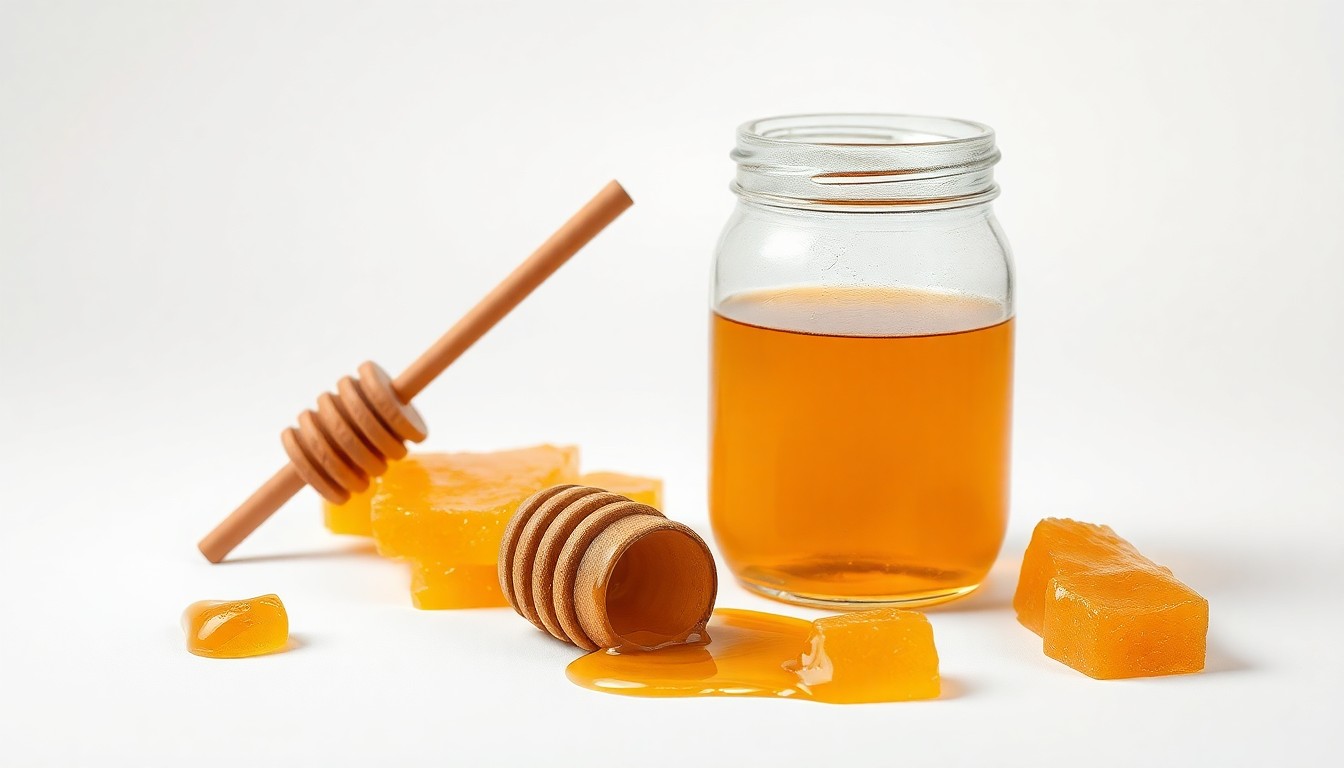 A photographic still life captures the artisanal beauty and resilience of Texas' small-scale honey producers, even as commercial yields decline.Overton Today
While Texas commercial honey producers report lower than expected yields, some of the state's small-scale beekeepers enjoyed a sweeter-than-average year, according to a Texas A&M AgriLife Extension Service expert. Commercial beekeepers in Texas produced 2.1 million pounds of honey in 2025, down from 4 million pounds the previous year, due to factors like varroa mites and viruses. However, a new AgriLife Extension survey found that small-scale beekeepers in East Texas, North Texas, and West Texas saw improvements, with most reporting above-average yields boosted by strong wildflower blooms.
Why it matters
The mixed results highlight the challenges facing the Texas honey industry, with commercial producers struggling with pests and diseases while small-scale beekeepers find success through community support and localized adaptation. AgriLife Extension is working to assist beekeepers across the state through research, education, and outreach programs.
The details
According to the USDA, commercial honey bee colonies in Texas produced an average of 30 pounds of honey in 2025, which sold for $3.91 per pound, a $1.50 increase from the previous year. However, the state's overall honey production dropped to 2.1 million pounds, down from 4 million pounds in 2024, causing Texas to fall from the 8th to the 14th largest honey producing state. Garett Slater, an AgriLife Extension entomologist, attributed the decline to ongoing threats like varroa mites and viruses, which led to a 62% nationwide loss of colonies in the spring of 2025.
- In 2025, Texas commercial honey production fell to 2.1 million pounds, down from 4 million pounds in 2024.
- The USDA reported that honey bee colonies in Texas produced an average of 30 pounds of honey in 2025, which sold for $3.91 per pound, a $1.50 increase from 2024.
- Nationwide, honey production fell to 115.7 million pounds in 2025, down from nearly 135 million pounds the previous year.
The players
Garett Slater
An AgriLife Extension entomologist at the Texas A&M AgriLife Research and Extension Center at Overton and assistant professor in the Department of Entomology.
Texas A&M AgriLife Extension Service
A state-based extension service that provides research-based information and educational programs to support the Texas honey industry.
What they’re saying
“'Spring of 2025 was very challenging for beekeepers. The entire year saw the loss of 62% of colonies nationwide. Viruses and pesticide-resistant varroa mites were especially damaging.'”
— Garett Slater, AgriLife Extension entomologist
“'In the conversations I've had with beekeepers … in general production was better than it has been in years past.'”
— Garett Slater, AgriLife Extension entomologist
What’s next
AgriLife Extension will launch a new colony loss survey in early April to provide researchers with data from across the state for analysis. The extension service also offers the Texas Master Beekeeper program and hands-on regional field days to help beekeepers improve yields and promote colony health.
The takeaway
The mixed results in the Texas honey harvest highlight the ongoing challenges facing the industry, with commercial producers struggling to combat pests and diseases while small-scale beekeepers find success through localized adaptation and community support. AgriLife Extension's research, education, and outreach programs aim to assist beekeepers across the state in navigating these complex issues.