- Today
- Holidays
- Birthdays
- Reminders
- Cities
- Atlanta
- Austin
- Baltimore
- Berwyn
- Beverly Hills
- Birmingham
- Boston
- Brooklyn
- Buffalo
- Charlotte
- Chicago
- Cincinnati
- Cleveland
- Columbus
- Dallas
- Denver
- Detroit
- Fort Worth
- Houston
- Indianapolis
- Knoxville
- Las Vegas
- Los Angeles
- Louisville
- Madison
- Memphis
- Miami
- Milwaukee
- Minneapolis
- Nashville
- New Orleans
- New York
- Omaha
- Orlando
- Philadelphia
- Phoenix
- Pittsburgh
- Portland
- Raleigh
- Richmond
- Rutherford
- Sacramento
- Salt Lake City
- San Antonio
- San Diego
- San Francisco
- San Jose
- Seattle
- Tampa
- Tucson
- Washington
Rice University Researchers Unveil Diamond-Based Cooling Tech for Electronics
New method could slash operating temperatures by 23 degrees Celsius, unlocking faster, more efficient devices.
Apr. 13, 2026 at 5:27am
Got story updates? Submit your updates here. ›
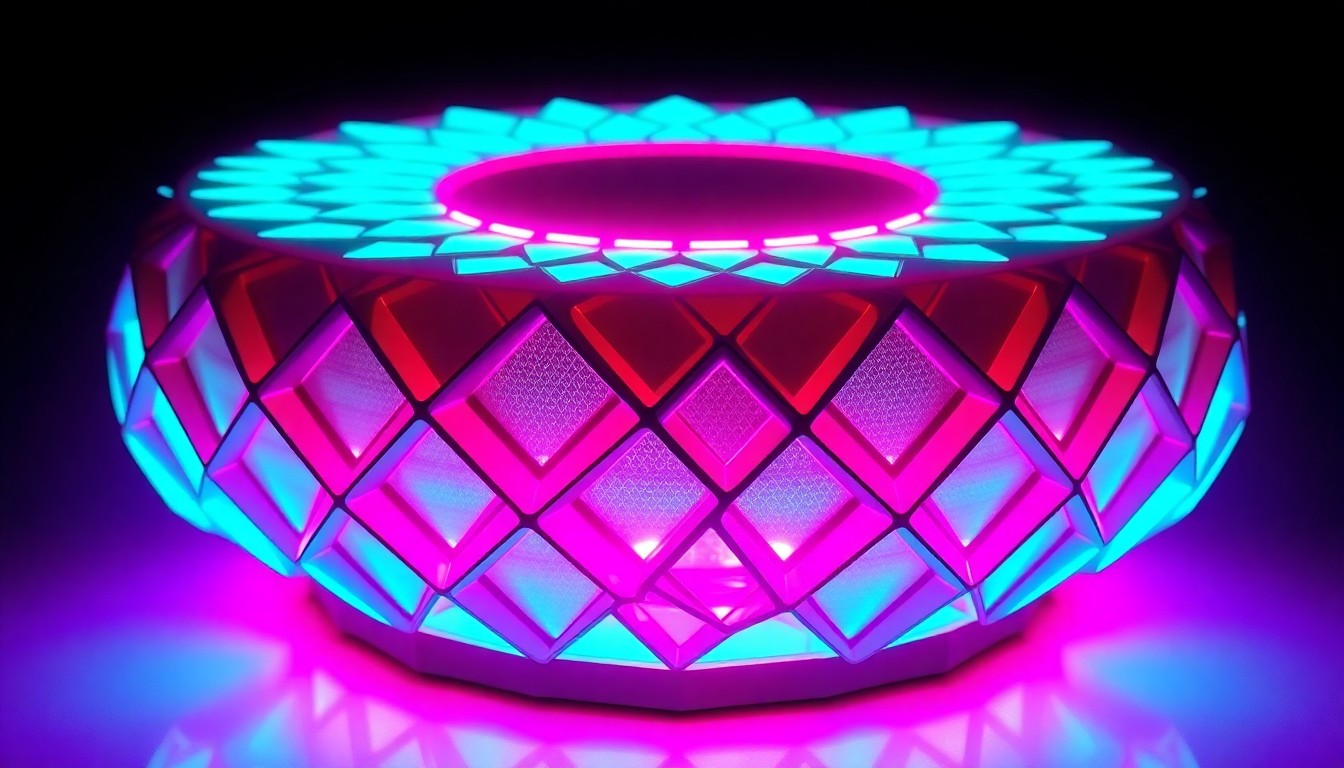 A diamond-based cooling solution that could unlock the next generation of faster, more efficient electronics.Houston Today
Researchers at Rice University have developed a revolutionary method to cool electronics using patterned diamond surfaces, reducing operating temperatures by up to 23 degrees Celsius. This breakthrough, inspired by the university's iconic owl mascot, could redefine how we manage heat in high-power devices like smartphones, laptops, and data centers.
Why it matters
Heat is a major limiting factor for the performance and lifespan of electronic devices. By significantly reducing operating temperatures, this diamond-based cooling technology could enable faster, more efficient, and longer-lasting electronics across consumer and enterprise applications.
The details
The team's approach uses a 'bottom-up' method of growing patterned diamond surfaces directly onto substrates, rather than the traditional 'top-down' carving process. This allows for greater control over the diamond crystal size, structure, and placement. The key innovation is the use of nucleation techniques to provide a starting point for the diamond crystals to form, similar to planting seeds in a garden. The researchers tested this method on silicon and gallium nitride, but say it could be applied to a wide range of materials.
- The study was published in Applied Physical Letters in April 2026.
- The research is supported by grants from DARPA, the NSF, and other organizations.
The players
Xiang Zhang
An assistant research professor at Rice University who led the development of the diamond-based cooling technology.
Pulickel Ajayan
The study's co-corresponding author, emphasizing the real-world impact of addressing heat as a fundamental limit in electronics.
Yuji Zhao
A co-author of the study, noting the alignment of this research with DARPA's CHIMES program focused on energy-efficient computing.
Rice University
The university where the breakthrough diamond cooling technology was developed, inspired by the school's iconic owl mascot.
DARPA
The Defense Advanced Research Projects Agency, which is providing grant funding for the research on energy-efficient computing.
What they’re saying
“Heat is the arch-nemesis of electronics. By reducing temperatures by 23 degrees, we're not just extending device lifespans—we're unlocking the potential for faster, more efficient technology.”
— Xiang Zhang, Assistant Research Professor, Rice University
“Heat limits everything from your phone's battery life to your computer's speed. By integrating diamond cooling, we're paving the way for faster, more reliable, and longer-lasting technology.”
— Pulickel Ajayan, Co-Corresponding Author
“By tackling heat, we're addressing a fundamental limit in AI accelerators and data centers.”
— Yuji Zhao, Co-Author
What’s next
The research team aims to further optimize the interface between diamond and other materials, paving the way for next-generation semiconductors and other advanced electronics.
The takeaway
This diamond-based cooling breakthrough from Rice University could revolutionize the performance and efficiency of a wide range of electronic devices, from smartphones to data centers, by dramatically reducing operating temperatures and unlocking new levels of speed and reliability.
Houston top stories



Houston events

Apr. 13, 2026
Langhorne Slim: The Dreamin' Kind Tour
Apr. 13, 2026
Tiffany
Apr. 14, 2026
Houston Astros vs Colorado Rockies: Dollar Dog Night