- Today
- Holidays
- Birthdays
- Reminders
- Cities
- Atlanta
- Austin
- Baltimore
- Berwyn
- Beverly Hills
- Birmingham
- Boston
- Brooklyn
- Buffalo
- Charlotte
- Chicago
- Cincinnati
- Cleveland
- Columbus
- Dallas
- Denver
- Detroit
- Fort Worth
- Houston
- Indianapolis
- Knoxville
- Las Vegas
- Los Angeles
- Louisville
- Madison
- Memphis
- Miami
- Milwaukee
- Minneapolis
- Nashville
- New Orleans
- New York
- Omaha
- Orlando
- Philadelphia
- Phoenix
- Pittsburgh
- Portland
- Raleigh
- Richmond
- Rutherford
- Sacramento
- Salt Lake City
- San Antonio
- San Diego
- San Francisco
- San Jose
- Seattle
- Tampa
- Tucson
- Washington
Groundbreaking Study Reveals 'Neural Fingerprint' of Psychedelics
Research uncovers shared brain impact of LSD, psilocybin, DMT, mescaline, and ayahuasca
Apr. 11, 2026 at 9:28am
Got story updates? Submit your updates here. ›
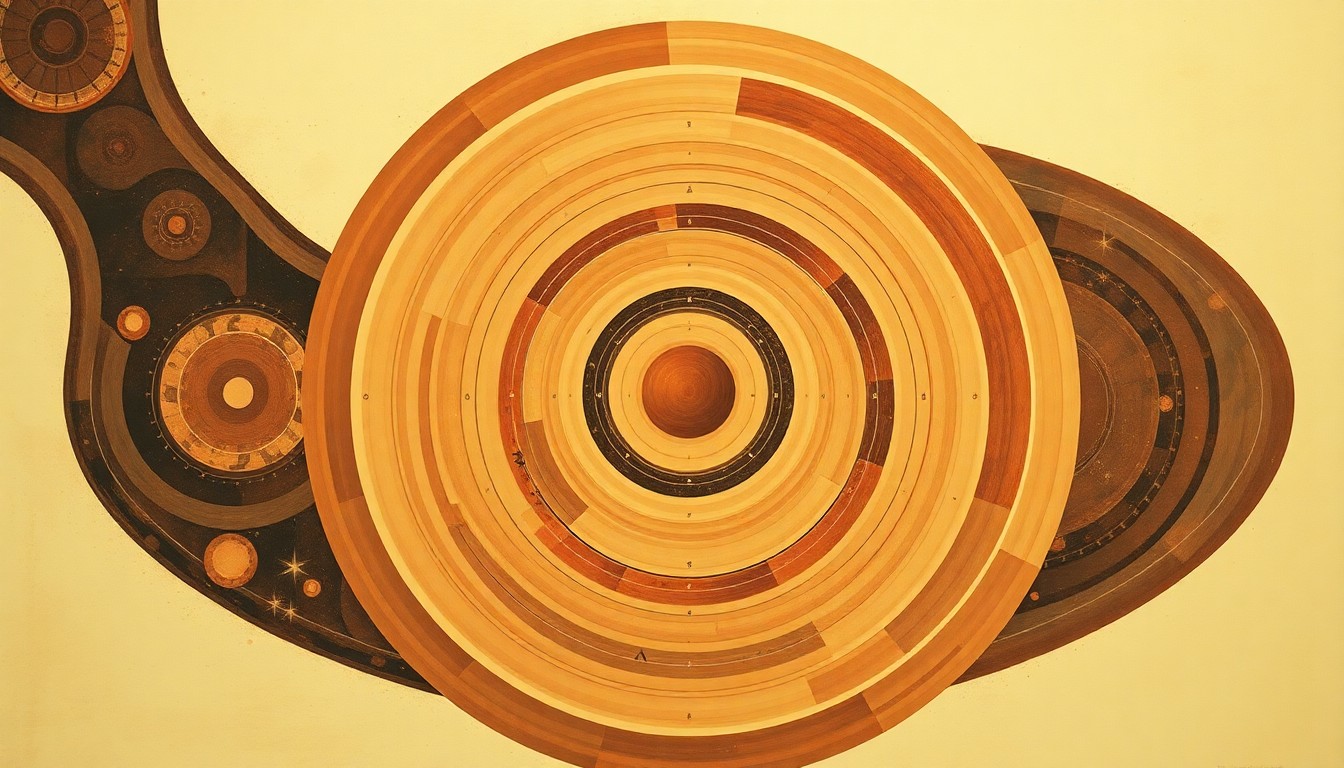 A groundbreaking study reveals the shared 'neural fingerprint' of psychedelic drugs, offering new insights into the complex relationship between the brain and consciousness.Houston Today
A recent study led by Dr. Danilo Bzdok from McGill University has uncovered a 'neural fingerprint' associated with psychedelic drugs, offering a deeper understanding of their impact on the brain. The research analyzed over 500 brain scans from individuals under the influence of various psychedelics, revealing a common effect on the brain's hierarchy and challenging previous assumptions about how these substances affect neural networks.
Why it matters
This groundbreaking discovery has significant implications for the future of mental health treatment, as the potential of psychedelics as therapies for severe conditions like depression, schizophrenia, and PTSD becomes increasingly recognized. The study provides a solid foundation for further exploration, emphasizing the need for large-scale, coordinated evidence in this emerging field of research.
The details
The study found that all five psychedelic drugs - LSD, psilocybin, DMT, mescaline, and ayahuasca - have a common effect on the brain's hierarchy, 'dissolving the common order' and leading to excessive cross-talk between higher-level thinking networks and more primitive networks linked to vision and sensation. This flattening of the hierarchy is what some users describe as a raw access to their consciousness, a profound experience that transcends ordinary perception.
- The study was published in Nature Medicine in 2026.
The players
Dr. Danilo Bzdok
A researcher from McGill University who led the groundbreaking study on the 'neural fingerprint' of psychedelics.
Dr. Emmanuel Stamatakis
A researcher from the University of Cambridge who emphasizes the need for caution and a deep understanding of the underlying mechanisms in the field of psychedelic research.
What they’re saying
“We saw that this field is emerging, and it's very important, but they are on shaky ground; they are building houses on matches.”
— Dr. Danilo Bzdok, Researcher, McGill University
“It's very important, but they are on shaky ground; they are building houses on matches.”
— Dr. Emmanuel Stamatakis, Researcher, University of Cambridge
What’s next
The study's findings provide a solid foundation for further exploration, emphasizing the need for large-scale, coordinated evidence in psychedelic research. The potential of these drugs as therapies for severe mental health and neurological conditions is an exciting prospect, but it is crucial to approach this field with caution and a deep understanding of the underlying mechanisms.
The takeaway
This study opens up a new avenue for research, inviting us to explore the intricate relationship between the brain and consciousness. The idea that these drugs can temporarily rewire the brain, offering a unique perspective on one's own consciousness, is truly captivating. As we delve deeper into the mysteries of the mind, this neural fingerprint may serve as a crucial guide, helping us navigate the complex terrain of mental health and neurological disorders.