- Today
- Holidays
- Birthdays
- Reminders
- Cities
- Atlanta
- Austin
- Baltimore
- Berwyn
- Beverly Hills
- Birmingham
- Boston
- Brooklyn
- Buffalo
- Charlotte
- Chicago
- Cincinnati
- Cleveland
- Columbus
- Dallas
- Denver
- Detroit
- Fort Worth
- Houston
- Indianapolis
- Knoxville
- Las Vegas
- Los Angeles
- Louisville
- Madison
- Memphis
- Miami
- Milwaukee
- Minneapolis
- Nashville
- New Orleans
- New York
- Omaha
- Orlando
- Philadelphia
- Phoenix
- Pittsburgh
- Portland
- Raleigh
- Richmond
- Rutherford
- Sacramento
- Salt Lake City
- San Antonio
- San Diego
- San Francisco
- San Jose
- Seattle
- Tampa
- Tucson
- Washington
MD Anderson Reveals New Cancer Research Breakthroughs
Advances in early detection, treatment resistance, and radiation therapy for hard-to-treat cancers
Apr. 10, 2026 at 2:44am
Got story updates? Submit your updates here. ›
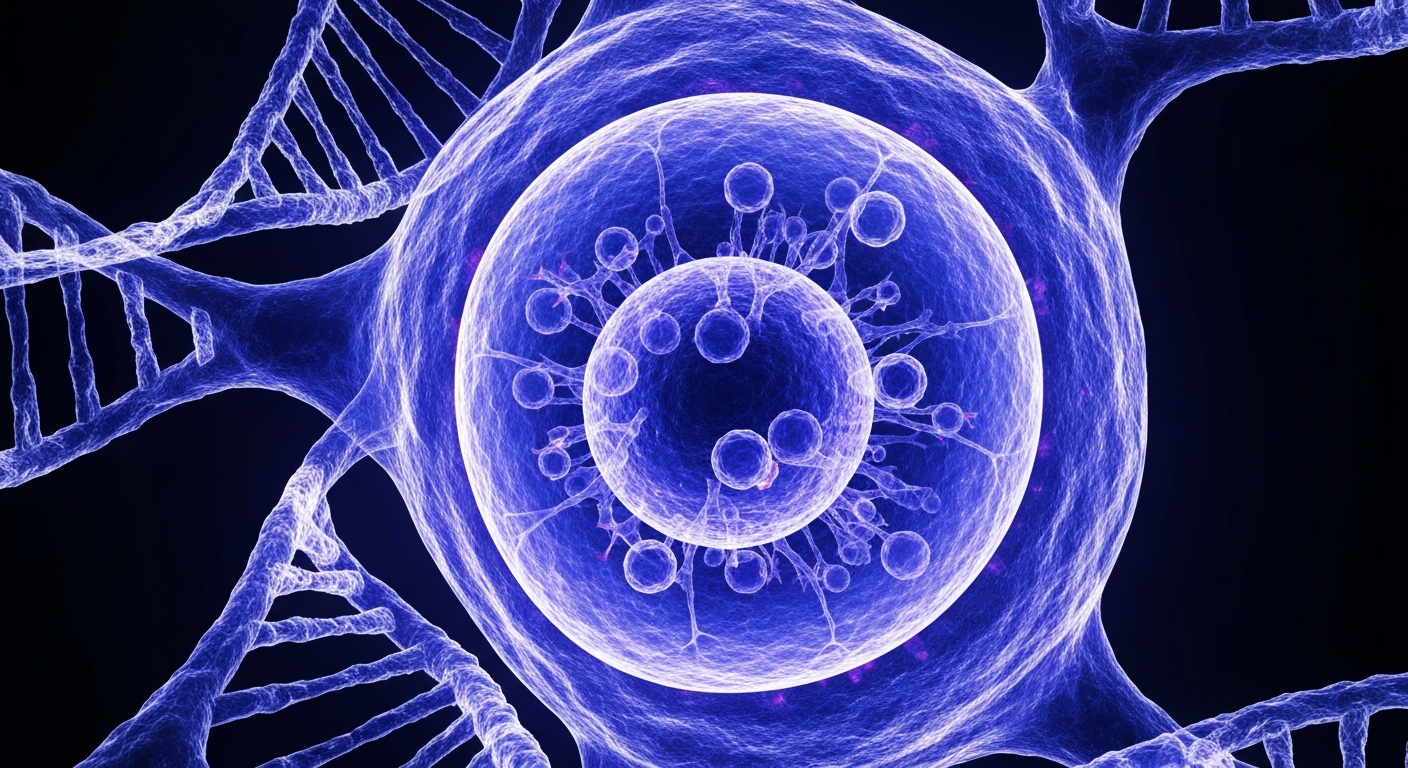 Cutting-edge cancer research at MD Anderson is uncovering new insights into the inner workings of cells, leading to breakthroughs in early detection and personalized treatments.Houston Today
Researchers at The University of Texas MD Anderson Cancer Center have made several significant breakthroughs in cancer care, research, and prevention. The studies showcase new discoveries in blood-based biomarkers for early cancer detection, strategies to overcome treatment resistance in pancreatic and lung cancers, and improved radiation therapy for large bile duct tumors.
Why it matters
These research advancements from one of the world's leading cancer centers have the potential to transform how certain cancers are detected, monitored, and treated, providing new hope for patients facing difficult diagnoses and limited treatment options.
The details
The studies highlighted include: 1) Identifying a new blood-based biomarker that can help characterize cancer risk in people with Lynch Syndrome, allowing for personalized prevention strategies; 2) Finding an epigenetic target called DPY30 that could sensitize pancreatic tumors to immunotherapy; and 3) Developing a strategy to overcome radiation therapy resistance in lung cancer by inhibiting the mitochondrial enzyme DHODH.
- The studies were conducted in 2025 and 2026 at MD Anderson Cancer Center in Houston, Texas.
The players
The University of Texas MD Anderson Cancer Center
A comprehensive cancer center located in Houston, Texas that is one of the world's leading institutions for cancer care, research, and prevention.
Eduardo Vilar-Sanchez, M.D., Ph.D.
Chair ad interim of Clinical Cancer Prevention at MD Anderson, who led the study on a new blood-based biomarker for cancer risk in people with Lynch Syndrome.
Francesca Citron, Pharm.D., Ph.D.
Instructor of Genomic Medicine at MD Anderson, who co-led the study on a new epigenetic target to sensitize pancreatic tumors to immunotherapy.
Boyi Gan, Ph.D.
Professor of Experimental Radiation Oncology at MD Anderson, who led the study on overcoming radiation therapy resistance in lung cancer.
Ethan Ludmir, M.D.
Associate professor of Gastrointestinal Radiation Oncology at MD Anderson, who co-led the study on using specialized high-dose radiation to treat large bile duct tumors.
What they’re saying
“Providing a potential non-invasive blood test to track cancer risk and immune activity in patients with Lynch Syndrome is a tremendous step forward for this patient population.”
— Eduardo Vilar-Sanchez, Chair ad interim of Clinical Cancer Prevention
“Understanding this new function of DPY30 as an epigenetic switch suppressing DNA replication stress in cancer cells can have a tremendous impact on future therapeutic strategies for pancreatic cancer patients, especially in combination with immunotherapy.”
— Francesca Citron, Instructor of Genomic Medicine
“This is an important finding because of the immediate translational opportunity. By understanding how DHODH is preventing cell death in radioresistant cancer cells, we were able to develop a strategy to overcome radiation therapy resistance in tumor models.”
— Boyi Gan, Professor of Experimental Radiation Oncology
“Traditionally, patients with very large tumors were not treated with radiation due to safety concerns. But our ability to more precisely deliver higher doses of radiation has dramatically improved over the last 10 to 15 years to the point that we can now treat these tumors safely. This study makes a compelling case that there is a very significant benefit from this approach.”
— Ethan Ludmir, Associate professor of Gastrointestinal Radiation Oncology
What’s next
Researchers plan to further investigate the new biomarker and epigenetic target identified in these studies, with the goal of developing improved early detection methods and more effective combination therapies for hard-to-treat cancers.
The takeaway
These breakthrough studies from MD Anderson demonstrate the institution's continued commitment to advancing cancer research and translating discoveries from the lab to the clinic, providing new hope for patients facing some of the most challenging cancer diagnoses.
Houston top stories



Houston events

Apr. 12, 2026
Houston Rockets vs. Memphis Grizzlies
Apr. 12, 2026
SIX (Touring)
Apr. 12, 2026
SIX (Touring)