- Today
- Holidays
- Birthdays
- Reminders
- Cities
- Atlanta
- Austin
- Baltimore
- Berwyn
- Beverly Hills
- Birmingham
- Boston
- Brooklyn
- Buffalo
- Charlotte
- Chicago
- Cincinnati
- Cleveland
- Columbus
- Dallas
- Denver
- Detroit
- Fort Worth
- Houston
- Indianapolis
- Knoxville
- Las Vegas
- Los Angeles
- Louisville
- Madison
- Memphis
- Miami
- Milwaukee
- Minneapolis
- Nashville
- New Orleans
- New York
- Omaha
- Orlando
- Philadelphia
- Phoenix
- Pittsburgh
- Portland
- Raleigh
- Richmond
- Rutherford
- Sacramento
- Salt Lake City
- San Antonio
- San Diego
- San Francisco
- San Jose
- Seattle
- Tampa
- Tucson
- Washington
Radiation Therapy Boosts Outcomes for Huge Bile Tumors
New study shows ablative radiation can significantly improve survival for patients with large intrahepatic cholangiocarcinoma tumors.
Apr. 3, 2026 at 3:16am
Got story updates? Submit your updates here. ›
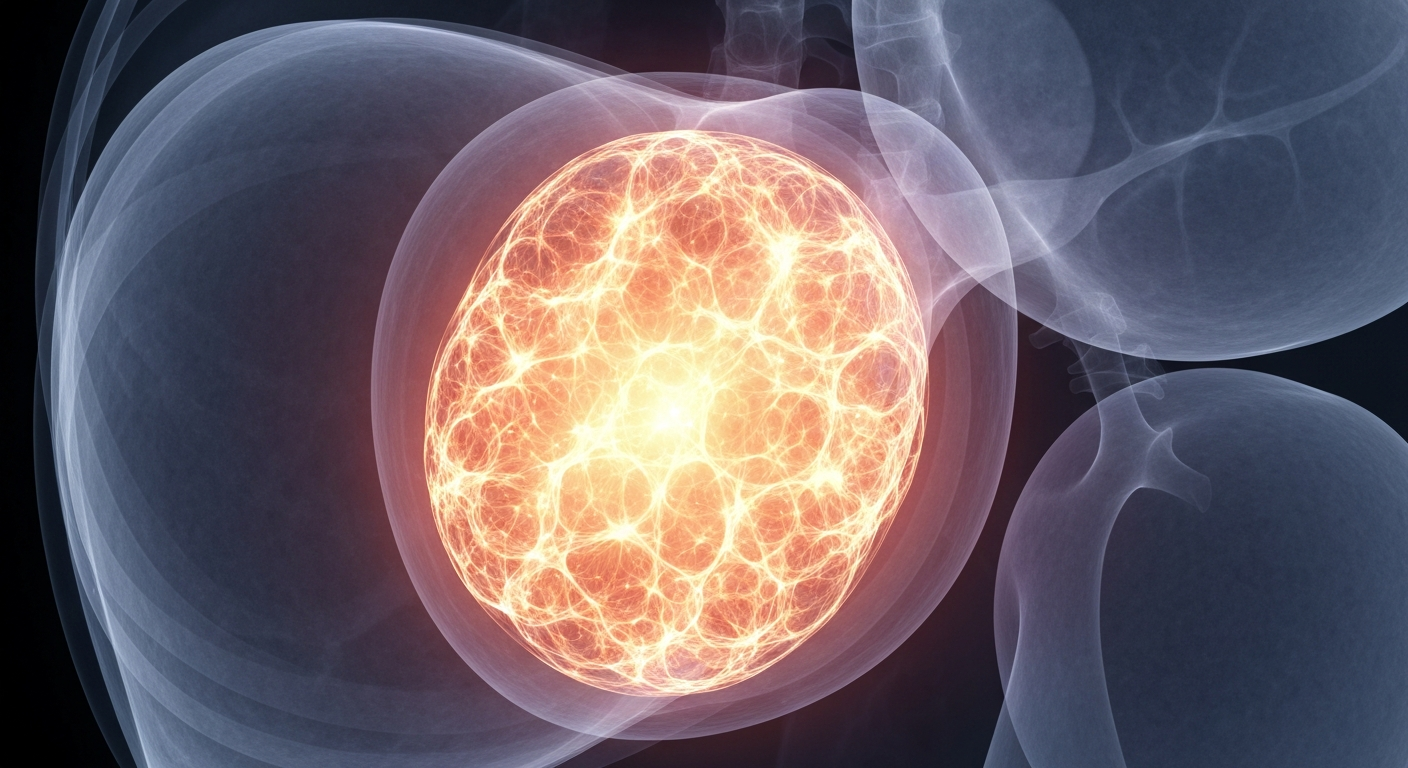 Advanced radiation therapy techniques allow doctors to precisely target and eradicate even the largest liver tumors, offering new hope for patients with limited treatment options.Houston Today
A new study from researchers at The University of Texas MD Anderson Cancer Center demonstrates that a specialized high-dose type of radiation delivery may significantly improve outcomes for patients with large bile duct tumors in the liver, known as intrahepatic cholangiocarcinoma. The retrospective study found that patients treated with this ablative radiation had a median survival more than twice that of the patients treated with chemotherapy alone.
Why it matters
Traditionally, patients with very large intrahepatic cholangiocarcinoma tumors were not treated with radiation due to safety concerns. However, advances in radiation delivery techniques have allowed doctors to safely administer high enough doses to impact these supermassive tumors. This study provides compelling evidence that this approach can dramatically improve survival outcomes for this patient population that has limited treatment options.
The details
The study, led by Ethan Ludmir, M.D. and Eugene Koay, M.D., Ph.D., analyzed 34 patients treated with ablative radiation combined with chemotherapy and 29 patients treated with chemotherapy alone. At a median follow-up of 17.9 months, the combination group had a median overall survival of 28.7 months compared to 11.9 months for the chemotherapy-only group. The combination group also had lower rates of tumor-related liver failure. Importantly, the ablative radiation was well-tolerated, with no grade 4 or 5 adverse effects.
- The study was published on April 1, 2026 in Clinical Cancer Research.
- The median follow-up period was 17.9 months.
The players
Ethan Ludmir, M.D.
Associate professor of Gastrointestinal Radiation Oncology at The University of Texas MD Anderson Cancer Center and lead author of the study.
Eugene Koay, M.D., Ph.D.
Professor of Gastrointestinal Radiation Oncology at The University of Texas MD Anderson Cancer Center and co-author of the study.
Abi Jaoude, M.D.
Previously at UT MD Anderson, currently a resident in radiation oncology at Stanford University and first author on the study.
What they’re saying
“Traditionally, patients with very large tumors were not treated with radiation due to safety concerns. But our ability to more precisely deliver higher doses of radiation has dramatically improved over the last 10 to 15 years to the point that we can now treat these tumors safely. This study makes a compelling case that there is a very significant benefit from this approach.”
— Ethan Ludmir, Associate professor, Gastrointestinal Radiation Oncology
“Molecular and histological analyses showed that these very large tumors are not fundamentally different from smaller ones. As a result, it shouldn't come as a surprise that they responded well to ablative radiation like their smaller counterparts. This study has some limitations, but this is very compelling evidence that this approach is effective and safe in a patient population that has a need for better treatment options.”
— Eugene Koay, Professor, Gastrointestinal Radiation Oncology
What’s next
The researchers plan to conduct a prospective clinical trial to further validate the use of ablative radiation therapy for patients with large intrahepatic cholangiocarcinoma tumors.
The takeaway
This study demonstrates that advances in radiation therapy techniques have opened up new treatment options for patients with large, difficult-to-treat bile duct tumors in the liver. The ability to safely deliver high-dose, targeted radiation can significantly improve survival outcomes for this patient population that has historically had limited treatment choices.
Houston top stories


Houston events

Apr. 3, 2026
Effin
Apr. 3, 2026
Disney On Ice presents Jump In!
Apr. 3, 2026
US Mens Clay Court Championships