- Today
- Holidays
- Birthdays
- Reminders
- Cities
- Atlanta
- Austin
- Baltimore
- Berwyn
- Beverly Hills
- Birmingham
- Boston
- Brooklyn
- Buffalo
- Charlotte
- Chicago
- Cincinnati
- Cleveland
- Columbus
- Dallas
- Denver
- Detroit
- Fort Worth
- Houston
- Indianapolis
- Knoxville
- Las Vegas
- Los Angeles
- Louisville
- Madison
- Memphis
- Miami
- Milwaukee
- Minneapolis
- Nashville
- New Orleans
- New York
- Omaha
- Orlando
- Philadelphia
- Phoenix
- Pittsburgh
- Portland
- Raleigh
- Richmond
- Rutherford
- Sacramento
- Salt Lake City
- San Antonio
- San Diego
- San Francisco
- San Jose
- Seattle
- Tampa
- Tucson
- Washington
TSA Staffing Shortages Likely to Cause Continued Airport Delays
Even as federal workers receive back pay, uncertainty remains over how many TSA officers will return to their posts.
Mar. 28, 2026 at 7:54pm
Got story updates? Submit your updates here. ›
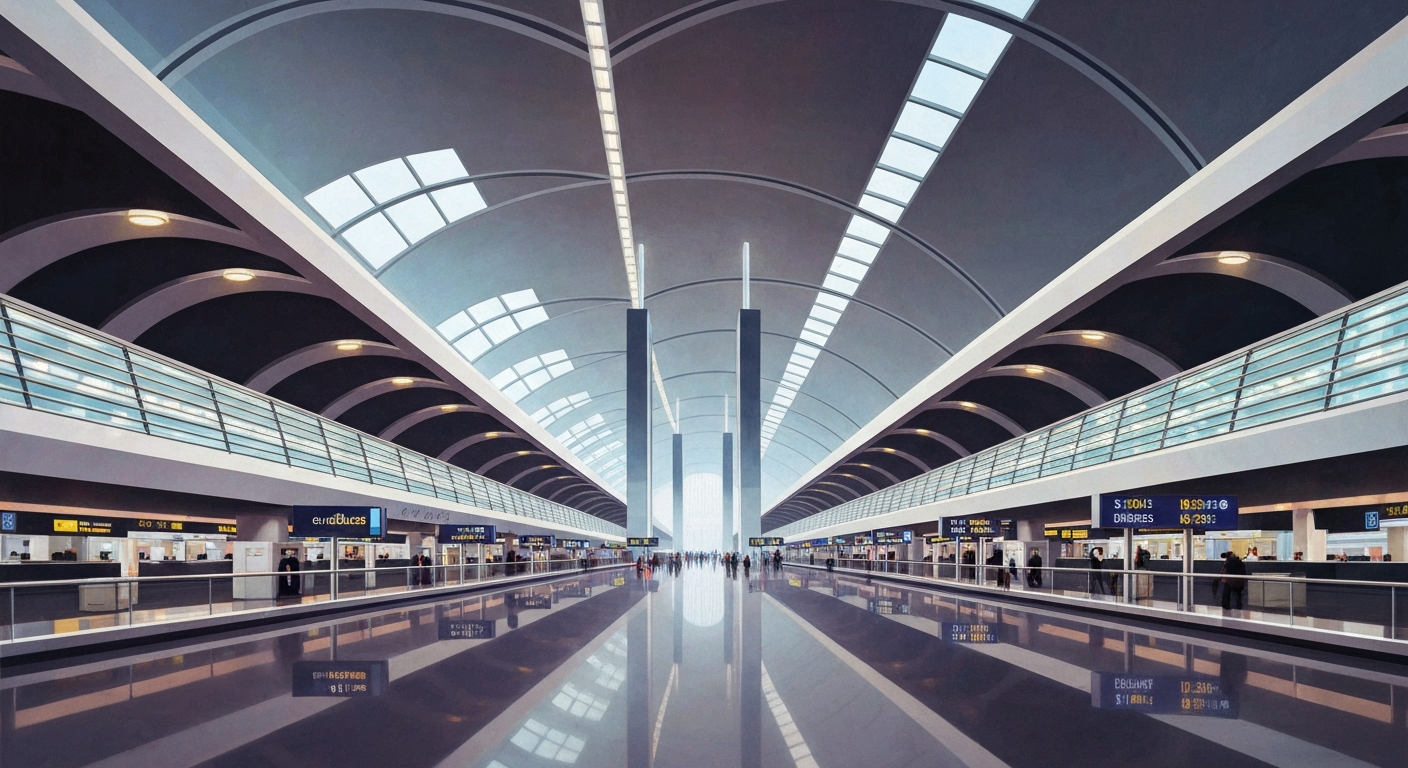 As staffing shortages continue to plague airport security checkpoints, travelers face the prospect of lengthy delays and uncertainty when it comes to air travel.Houston Today
Despite the end of the partial government shutdown and the resumption of pay for Transportation Security Administration (TSA) officers, airport security lines may continue to face lengthy delays in the coming days and weeks. More than 500 TSA officers quit during the shutdown, and thousands more called out due to financial hardship, leading to staffing shortages that forced travelers to contend with missed and canceled flights, long security lines, and growing uncertainty around air travel. While the situation may start to improve within several days to a couple of weeks if most officers report back, experts warn that the uncertainty over how many will actually return, combined with the TSA's typical annual attrition rate, could mean delays will persist even after pay resumes.
Why it matters
The ongoing staffing shortages at TSA checkpoints have caused significant disruptions to air travel, with travelers facing long wait times, missed flights, and general uncertainty about the reliability of air travel. This issue highlights the broader challenges facing the transportation infrastructure in the United States, as well as the impact that political gridlock and government shutdowns can have on critical public services.
The details
According to former TSA Administrator John S. Pistole, even though President Trump has signed an executive order directing federal officials to ensure that TSA workers are paid, this is only a temporary fix. The more pressing concern is how many TSA officers will actually return to their posts now that paychecks are set to resume on Monday, March 30. More than 500 officers have quit during the shutdown, while thousands more have called out due to financial hardship, leading to TSA callout rates reaching a high of 12.35% of the workforce on Friday. If most officers report back and airports are able to restore staffing, wait times could start to ease within several days to a couple of weeks. However, Pistole warned that the uncertainty over how many will return, combined with the TSA's typical annual attrition rate of about 7%, could mean delays will continue even after pay resumes.
- On March 28, 2026, President Donald Trump signed an executive order directing federal officials to ensure that TSA workers are paid despite the partial government shutdown.
- On March 29, 2026, the Department of Homeland Security reported that TSA callout rates reached a high of 12.35% of the workforce, accounting for more than 3,560 employees.
- On March 30, 2026, TSA officers are expected to begin receiving their paychecks again after going more than a month without wages during the shutdown.
The players
John S. Pistole
Former Administrator of the Transportation Security Administration (TSA).
Markwayne Mullin
Secretary of the Department of Homeland Security.
What they’re saying
“It's a temporary fix.”
— John S. Pistole, Former TSA Administrator
“How many of them come back after they get this paycheck? Or maybe they already have another full-time job lined up, they're just waiting to inform TSA after they get their check on Monday.”
— John S. Pistole, Former TSA Administrator
What’s next
If most TSA officers report back to work on Monday, March 30, airport security lines could start to see some relief within several days to a couple of weeks. However, the uncertainty over how many will actually return, combined with the TSA's typical annual attrition rate, means delays may persist even after pay resumes.
The takeaway
The ongoing staffing shortages at TSA checkpoints have caused significant disruptions to air travel, highlighting the broader challenges facing the transportation infrastructure in the United States. While the resumption of pay for TSA officers is a positive step, the long-term impact of the shutdown and the uncertainty over how many workers will return could mean that travelers continue to face delays and uncertainty when it comes to air travel.
Houston top stories


Houston events

Apr. 5, 2026
Disney On Ice presents Jump In!
Apr. 5, 2026
Beto Cuevas - Acustico
Apr. 5, 2026
Houston Gamblers v. Birmingham Stallions