- Today
- Holidays
- Birthdays
- Reminders
- Cities
- Atlanta
- Austin
- Baltimore
- Berwyn
- Beverly Hills
- Birmingham
- Boston
- Brooklyn
- Buffalo
- Charlotte
- Chicago
- Cincinnati
- Cleveland
- Columbus
- Dallas
- Denver
- Detroit
- Fort Worth
- Houston
- Indianapolis
- Knoxville
- Las Vegas
- Los Angeles
- Louisville
- Madison
- Memphis
- Miami
- Milwaukee
- Minneapolis
- Nashville
- New Orleans
- New York
- Omaha
- Orlando
- Philadelphia
- Phoenix
- Pittsburgh
- Portland
- Raleigh
- Richmond
- Rutherford
- Sacramento
- Salt Lake City
- San Antonio
- San Diego
- San Francisco
- San Jose
- Seattle
- Tampa
- Tucson
- Washington
Grapevine Today
By the People, for the People
Divisions Emerge at CPAC Over Trump's 'America First' Vision
Conservatives debate the party's direction as Trump skips the annual conference for the first time since 2016.
Mar. 29, 2026 at 10:05am
Got story updates? Submit your updates here. ›
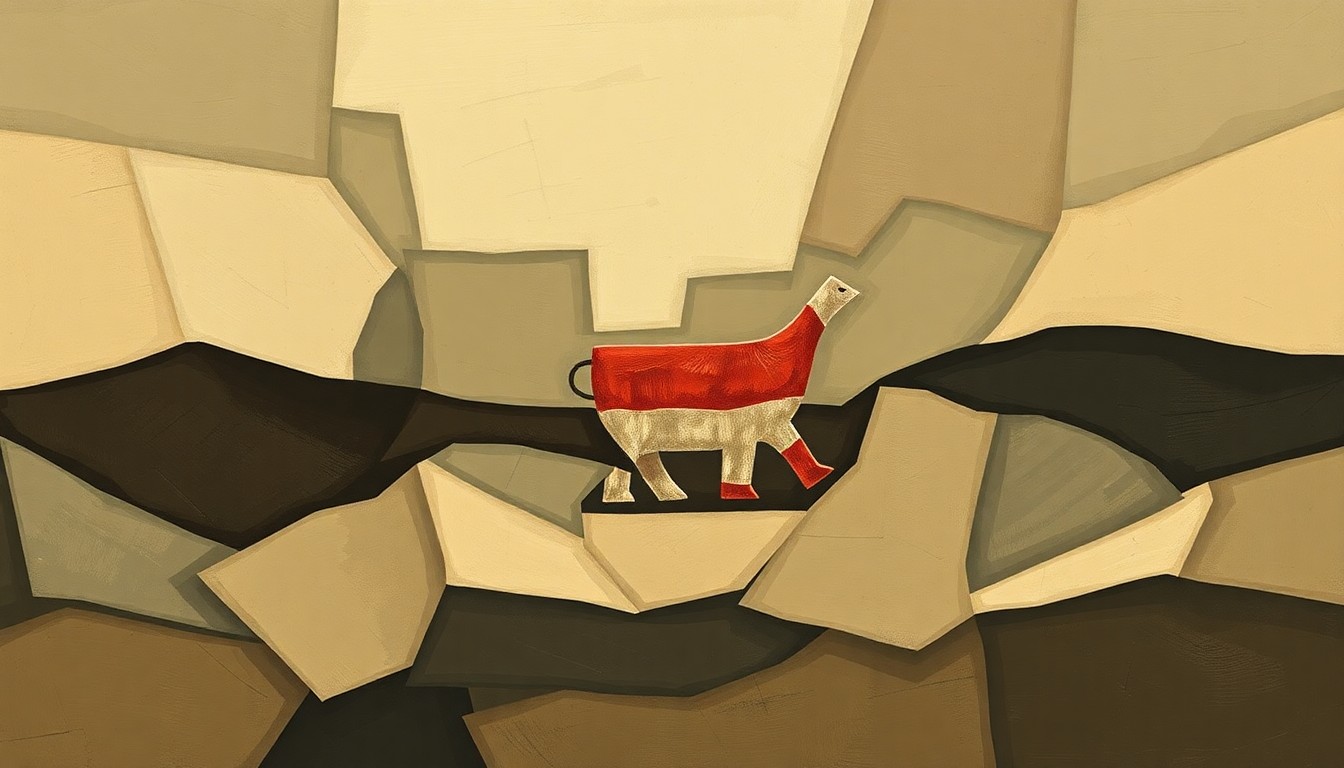 The turbulent debates at CPAC reflect the deep divisions within the conservative movement as the Republican party navigates a post-Trump landscape.Grapevine Today
At this year's Conservative Political Action Conference (CPAC) in Texas, fissures emerged within the Republican party over former President Donald Trump's 'America First' agenda. Speakers warned of divisions on issues like the war with Iran, with some criticizing Trump's foreign policy decisions. While Trump's staunch supporters remained, others voiced concerns about the party becoming 'hive-minded' and 'tribal'.
Why it matters
The divisions on display at CPAC reflect a broader debate within the conservative movement over the direction of the Republican party in the post-Trump era. As the party grapples with its identity, these internal conflicts could have significant implications for the upcoming midterm elections and the future of the conservative agenda.
The details
Speakers at CPAC, including right-wing commentator Brandon Straka and former Rep. Matt Gaetz, criticized the party for becoming 'hive-minded' and 'mean and tribal'. The conference featured debates over the war with Iran, with some, like former Trump advisor Steve Bannon, warning against sending troops to the region, while others, like Sen. Ted Cruz, were vocal proponents of the conflict. The war has split Trump's base, with some accusing critics of being 'anti-MAGA' and 'anti-American'.
- Trump skipped CPAC this year for the first time since 2016.
- The annual CPAC conference took place in late March 2026 in Grapevine, Texas.
The players
Brandon Straka
A right-wing commentator who offered an unexpected assessment of Marjorie Taylor Greene at CPAC, rejecting the directive to 'hate her' for breaking with Trump.
Marjorie Taylor Greene
The former member of Congress from Georgia who broke with President Trump last year after accusing him of drifting away from his 'America First' promises.
Matt Gaetz
A Florida congressman and critic of the Iran war, who worried that Republicans were entering the midterm elections 'with self-inflicted wounds'.
Steve Bannon
A longtime Trump ally who has warned against sending troops to the Middle East, and said Republican voters would have to decide for themselves what 'America First actually stands for'.
Ted Cruz
The Texas senator and vocal proponent of the conflict with Iran, who is expected to speak at CPAC on Saturday.
What they’re saying
“'A directive has gone out that Marjorie Taylor Greene is a traitor, and if you want to be part of the in crowd, it is mandatory that you must hate her, too.'”
— Brandon Straka, Right-wing commentator
“'When did we become the left? When did we become hive-minded, mean and tribal?'”
— Brandon Straka, Right-wing commentator
“'Antisemitism isn't hiding around every corner and every bush.'”
— Matt Gaetz, Former U.S. Representative
“'Some of these folks are speaking a viewpoint that is contrary to mainstream MAGA, and it's very uncomfortable for some.'”
— James Payne, CPAC attendee
“'Calling American Jews 'Israel First' is the oldest antisemitic trick in the book.'”
— Brooke Goldstein, Lawyer at the Lawfare Project
What’s next
The divisions on display at CPAC are likely to continue shaping the Republican party's direction in the lead-up to the 2026 midterm elections, as the party grapples with its identity in the post-Trump era.
The takeaway
The fissures within the conservative movement revealed at CPAC highlight the challenges the Republican party faces in unifying around a cohesive vision, as it navigates issues like foreign policy, identity politics, and the legacy of the Trump presidency. These internal debates could have significant implications for the party's electoral fortunes and policy agenda going forward.