- Today
- Holidays
- Birthdays
- Reminders
- Cities
- Atlanta
- Austin
- Baltimore
- Berwyn
- Beverly Hills
- Birmingham
- Boston
- Brooklyn
- Buffalo
- Charlotte
- Chicago
- Cincinnati
- Cleveland
- Columbus
- Dallas
- Denver
- Detroit
- Fort Worth
- Houston
- Indianapolis
- Knoxville
- Las Vegas
- Los Angeles
- Louisville
- Madison
- Memphis
- Miami
- Milwaukee
- Minneapolis
- Nashville
- New Orleans
- New York
- Omaha
- Orlando
- Philadelphia
- Phoenix
- Pittsburgh
- Portland
- Raleigh
- Richmond
- Rutherford
- Sacramento
- Salt Lake City
- San Antonio
- San Diego
- San Francisco
- San Jose
- Seattle
- Tampa
- Tucson
- Washington
Dangerous Trucking Practices Linked to Rising Highway Fatalities
Investigation explores how double brokering and chameleon carriers are creating safety risks on Texas roads
Mar. 31, 2026 at 5:55pm
Got story updates? Submit your updates here. ›
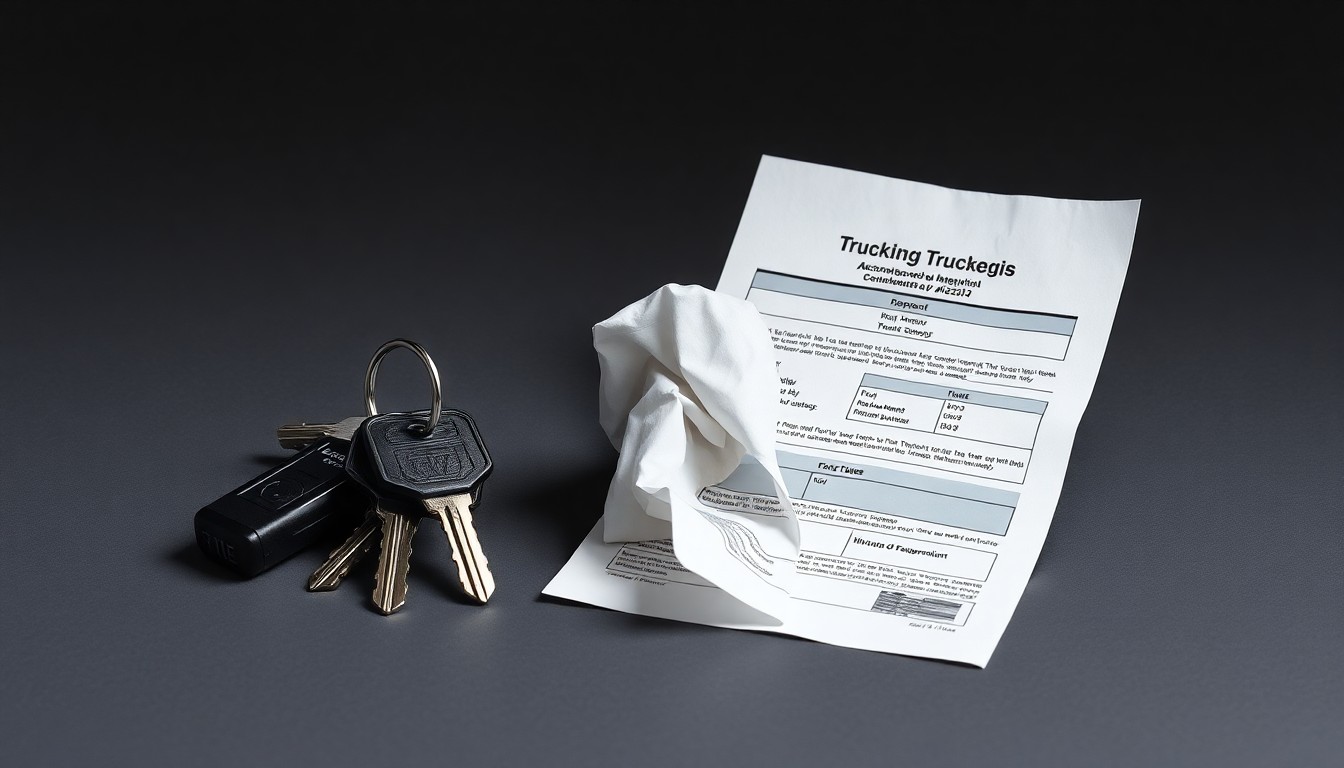 Lax oversight and loopholes in the trucking industry have enabled dangerous practices like double brokering and chameleon carriers, putting motorists at risk across Texas.Fort Worth Today
A WFAA and TEGNA news investigation has uncovered how dangerous trucking industry practices like double brokering and chameleon carriers are contributing to rising highway fatality rates in Texas. The report features interviews with trial lawyer Jason Stephens, who explains how these unethical and often illegal practices allow unqualified trucks and drivers onto the roads with little oversight, putting everyday motorists at risk.
Why it matters
As freight traffic continues to grow across major Texas highway corridors like I-20, I-35, I-45, and I-10, these unsafe trucking practices are becoming an increasing threat to public safety. Weak enforcement and the ability of companies to easily rebrand and avoid accountability make it difficult to deter these dangerous behaviors.
The details
Double brokering occurs when a carrier or broker reassigns a shipment to a second, often cheaper carrier without proper vetting, leading to unqualified trucks and drivers on the road. Chameleon carriers are shady trucking companies that shut down and reform under a different name to evade scrutiny. These factors frequently appear in severe truck crash investigations, as companies prioritize cost savings over safety management, maintenance records, and valid operating authority.
- The WFAA and TEGNA investigation aired on March 31, 2026.
The players
Jason Stephens
A Texas trial lawyer who has worked on cases involving the dangerous trucking practices uncovered in the investigation.
WFAA
A Dallas-Fort Worth television station that co-produced the "Blind Spots: Hidden Dangers on Our Roads" investigative report.
TEGNA
A major media company that owns WFAA and other local television stations across the country, and co-produced the "Blind Spots" investigation.
What they’re saying
“On paper, double brokering can look like a business or contract issue. In reality, it's a safety issue that puts unqualified trucks and drivers on the road with little oversight. Motorists are paying the price.”
— Jason Stephens, Texas trial lawyer
“These are the exact factors that show up again and again in severe truck crash investigations. Double brokering encourages the selection of the cheapest possible carrier, not the safest one. These companies often lack proper safety management programs, adequate maintenance records, or even valid operating authority. When something goes wrong, they morph and move their assets under a different name, making accountability very difficult.”
— Jason Stephens, Texas trial lawyer
“These companies view safety as a cost of doing business. They aren't deterred by weak oversight. Meaningful change happens only when unsafe practices have real financial consequences.”
— Jason Stephens, Texas trial lawyer
What’s next
The WFAA and TEGNA investigation has sparked renewed calls for stronger enforcement and oversight of the trucking industry to address the growing safety risks posed by double brokering and chameleon carriers. Lawmakers and regulators are expected to consider new regulations and penalties to deter these dangerous practices.
The takeaway
This investigation highlights how loopholes and lack of accountability in the trucking industry are putting motorists at risk across Texas. Addressing the problems of double brokering and chameleon carriers will require a multi-pronged approach of tougher laws, better enforcement, and real financial consequences for companies that prioritize profits over safety.