- Today
- Holidays
- Birthdays
- Reminders
- Cities
- Atlanta
- Austin
- Baltimore
- Berwyn
- Beverly Hills
- Birmingham
- Boston
- Brooklyn
- Buffalo
- Charlotte
- Chicago
- Cincinnati
- Cleveland
- Columbus
- Dallas
- Denver
- Detroit
- Fort Worth
- Houston
- Indianapolis
- Knoxville
- Las Vegas
- Los Angeles
- Louisville
- Madison
- Memphis
- Miami
- Milwaukee
- Minneapolis
- Nashville
- New Orleans
- New York
- Omaha
- Orlando
- Philadelphia
- Phoenix
- Pittsburgh
- Portland
- Raleigh
- Richmond
- Rutherford
- Sacramento
- Salt Lake City
- San Antonio
- San Diego
- San Francisco
- San Jose
- Seattle
- Tampa
- Tucson
- Washington
Christchurch Shooting: Terrorist Propaganda Persists & Australia's Lack of Accountability
Seven years after the attack, the shooter's manifesto and videos continue to spread, inspiring extremism and new offenses.
Mar. 16, 2026 at 6:20am
Got story updates? Submit your updates here. ›
Seven years after the Christchurch mosque shootings, the perpetrator's digital propaganda is still circulating in extremist circles, inspiring new cases of individuals possessing the manifesto and attack videos. While New Zealand has undertaken inquiries, Australia has faced criticism for a lack of public accountability over the shooter's radicalization within the country. Experts argue that simply removing content is not enough, and a more proactive approach is needed to disrupt the pipeline from online exposure to real-world offenses.
Why it matters
The enduring presence of the Christchurch shooter's propaganda highlights the challenges in combating online radicalization and the need for a comprehensive approach to address the roots of such violence. The lack of public accounting in Australia raises concerns about missed opportunities to understand and prevent future attacks.
The details
Recent cases in South Australia have seen individuals sentenced for possessing the shooter's manifesto and videos of the attack. This content is being actively circulated, with the imagery incorporated into 'Saint Encyclopedias' created by white supremacist groups like Terrorgram. The attack's content is being used to celebrate the perpetrator as a 'hero' and fuel further radicalization, often framed within the 'great replacement' conspiracy theory.
- The Christchurch mosque shootings occurred in 2019.
- As of February 8, 2026, the Christchurch shooter is seeking to overturn his guilty plea.
The players
Hank Teran
CEO of Open Measures, a organization that points to the intentional framing of the attack within the 'great replacement' conspiracy theory as a key factor in its continued spread.
Rita Jabri Markwell
Legal advisor to the Australian Muslim Advocacy Network, who argues that there has been no accountability for the role that official language and rhetoric may have played in the shooter's radicalization within Australia.
Imam Alaa Elzokm
Of Elsedeaq Heidelberg mosque in Melbourne, who stresses the importance of firm action and creating a safe environment for worship, stating that 'words are no longer enough'.
What they’re saying
“He was socialised in his attitudes growing up in Australia. A lot of his online activity was in Australia. A lot of the hate that he developed happened in Australia.”
— Rita Jabri Markwell, Legal advisor to the Australian Muslim Advocacy Network
“We don't want the incident to be forgotten with time. Words are no longer enough.”
— Imam Alaa Elzokm, Of Elsedeaq Heidelberg mosque in Melbourne
What’s next
Experts argue that a more proactive approach is needed, focusing on disrupting the pipeline from passive online exposure to active planning. This requires education for parents and community stakeholders to understand the intricacies of extremist communities and recognize the warning signs of radicalization.
The takeaway
The enduring presence of the Christchurch shooter's propaganda and the lack of public accountability in Australia highlight the urgent need for a comprehensive, multi-faceted approach to combat online radicalization and address the root causes of such violence within communities.
El Paso top stories

El Paso events
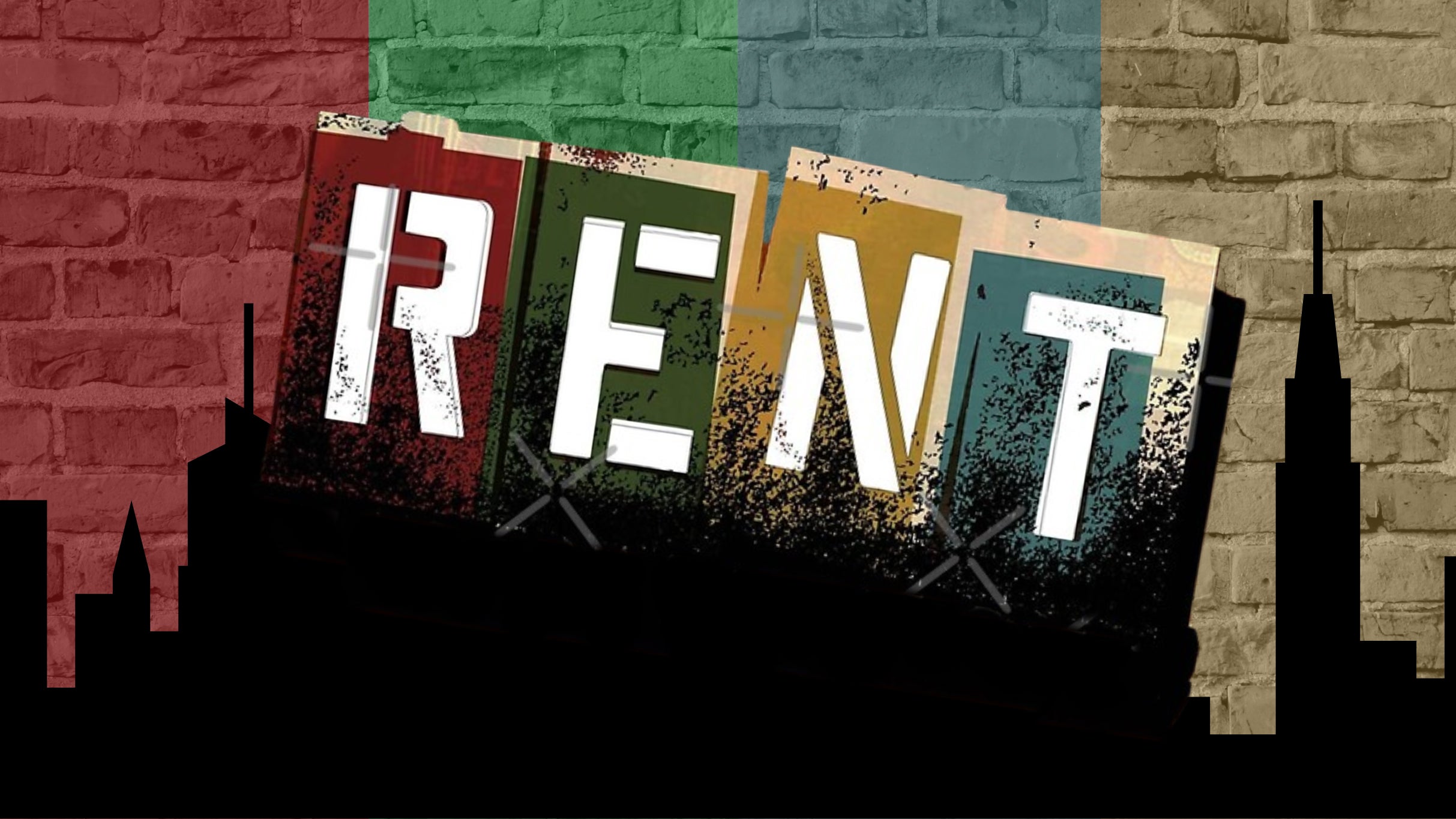
Apr. 9, 2026
The UTEP Dinner Theatre - RENT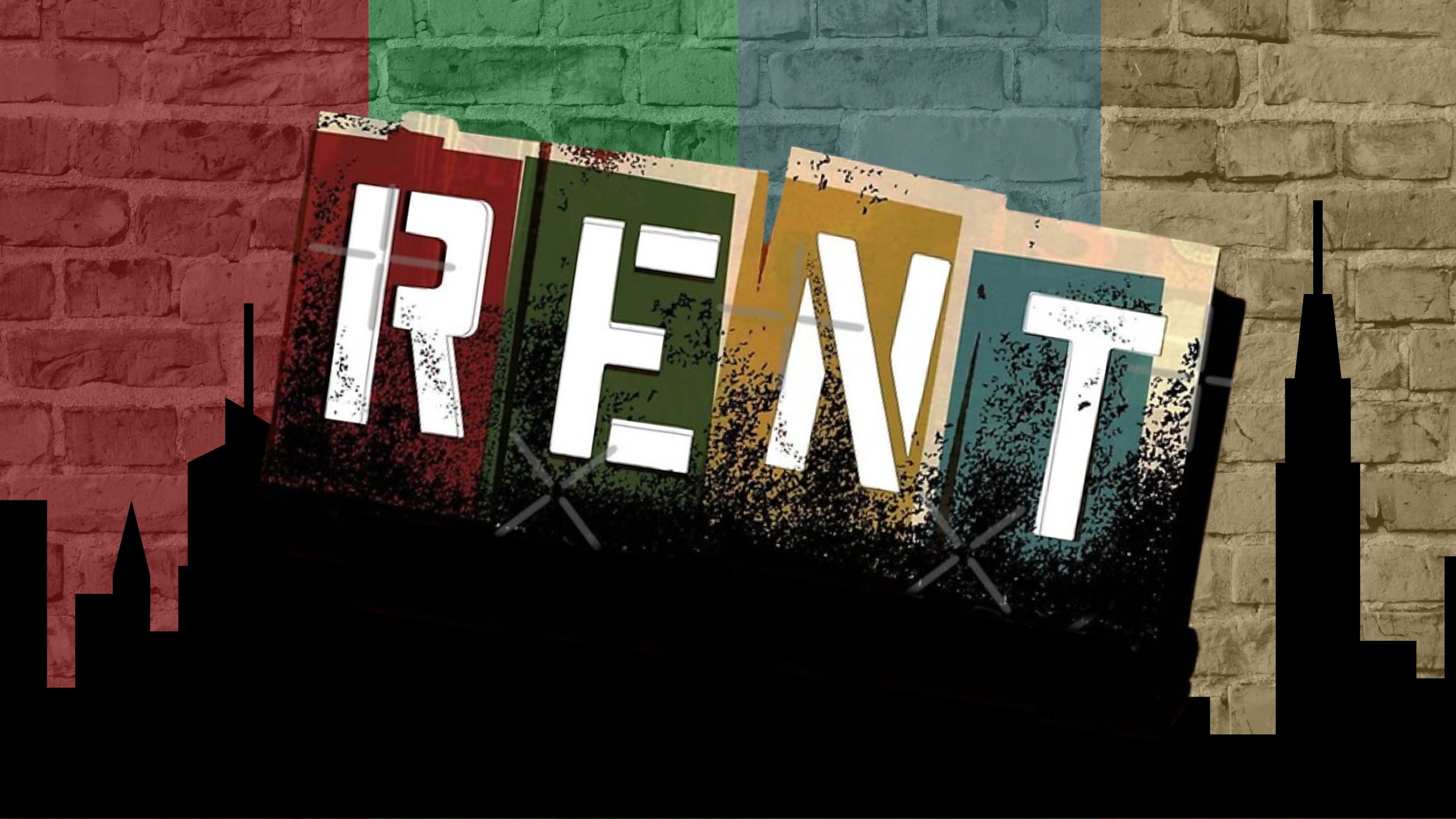
Apr. 10, 2026
The UTEP Dinner Theatre- Rent
Apr. 10, 2026
Swan Lake by International Ballet Stars